How to Drive Uphill
Accelerate as you approach the hill, but maintain a safe speed.. Depress the clutch, then shift to a lower gear.. Release the clutch gradually as you step on the gas.
Steps
Accelerate as you approach the hill, but maintain a safe speed.
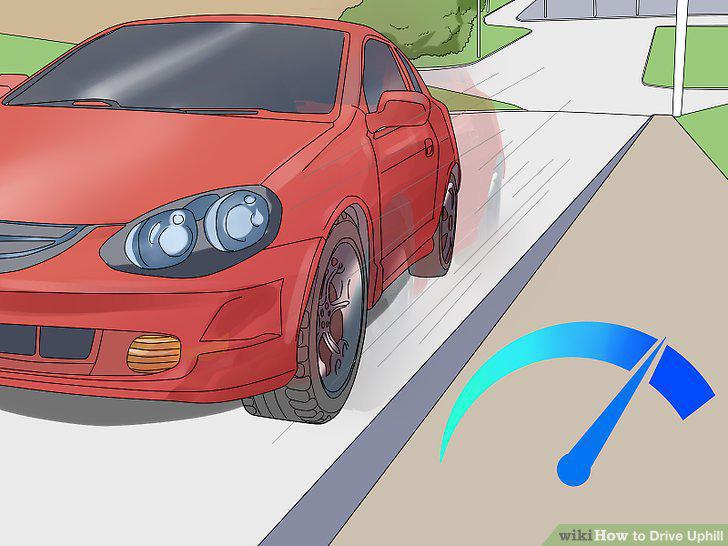
Accelerate as you approach the hill, but maintain a safe speed.
Depress the clutch, then shift to a lower gear.
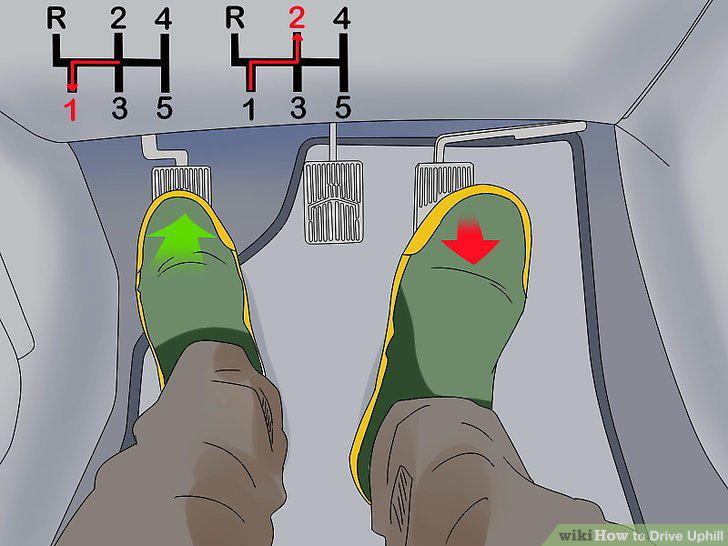
Depress the clutch, then shift to a lower gear.
Release the clutch gradually as you step on the gas.
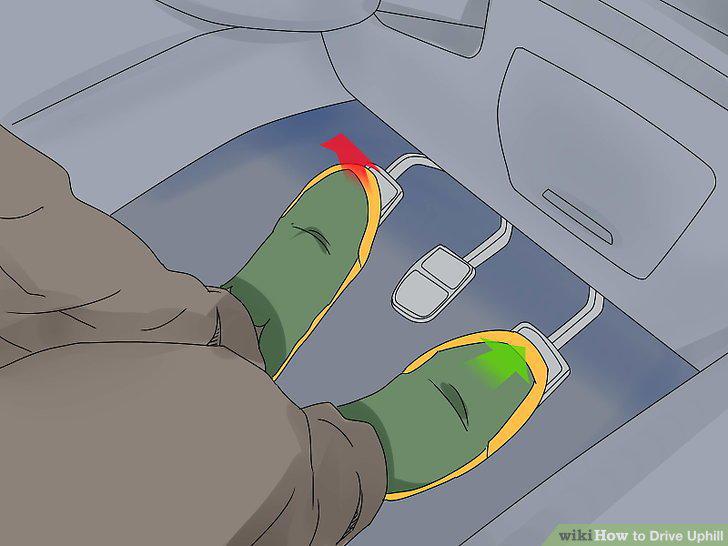
Release the clutch gradually as you step on the gas.
Downshift to first or second before climbing a very steep hill.
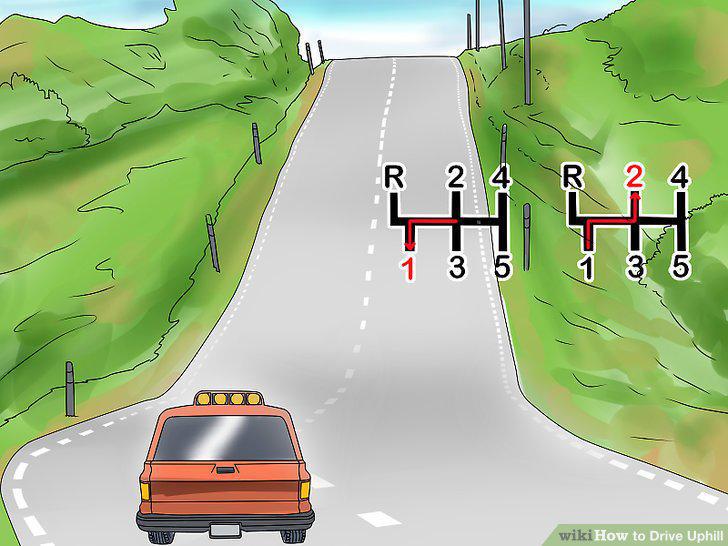
Downshift to first or second before climbing a very steep hill.
Downshift promptly if you're climbing the hill and start to lose speed.
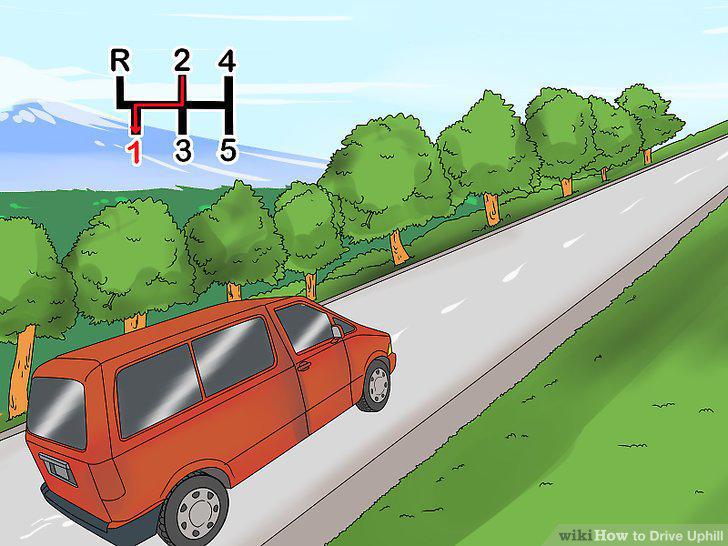
Downshift promptly if you're climbing the hill and start to lose speed.
Speed up as you approach the hill, but obey posted speed limits.
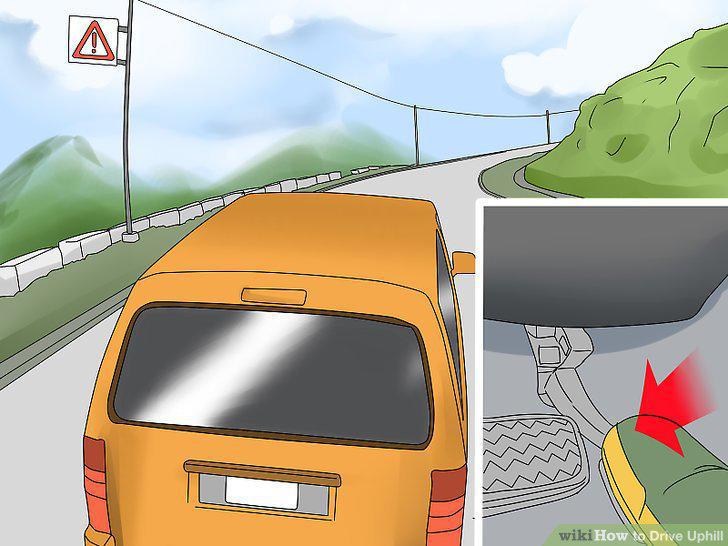
Speed up as you approach the hill, but obey posted speed limits.
Downshift if you're ascending a steep hill or driving a heavy vehicle.
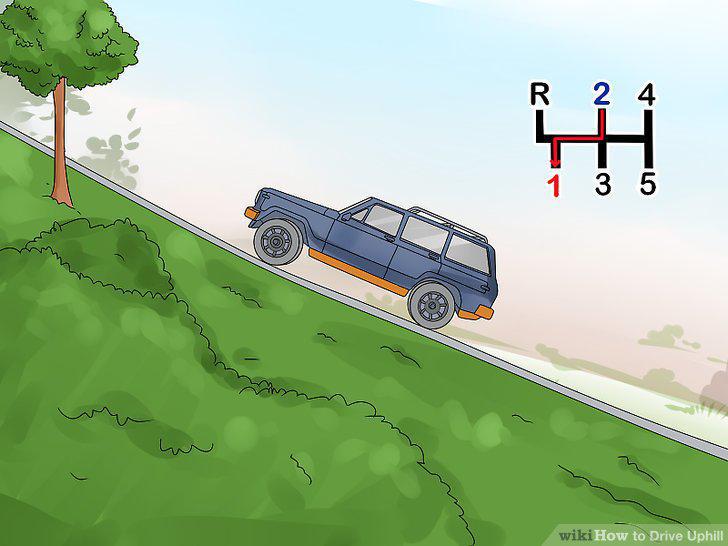
Downshift if you're ascending a steep hill or driving a heavy vehicle.
Ease off of the gas pedal, then shift to D2 once your RPM decreases.
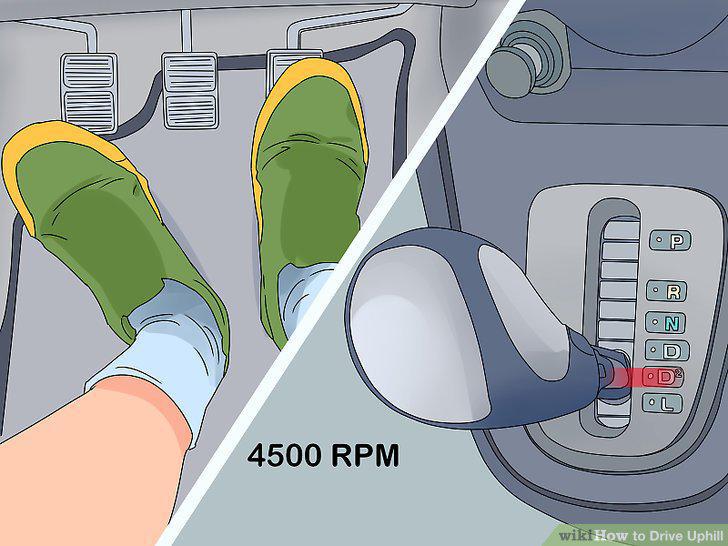
Ease off of the gas pedal, then shift to D2 once your RPM decreases.
Downshift to the lowest gear if the hill is very steep.
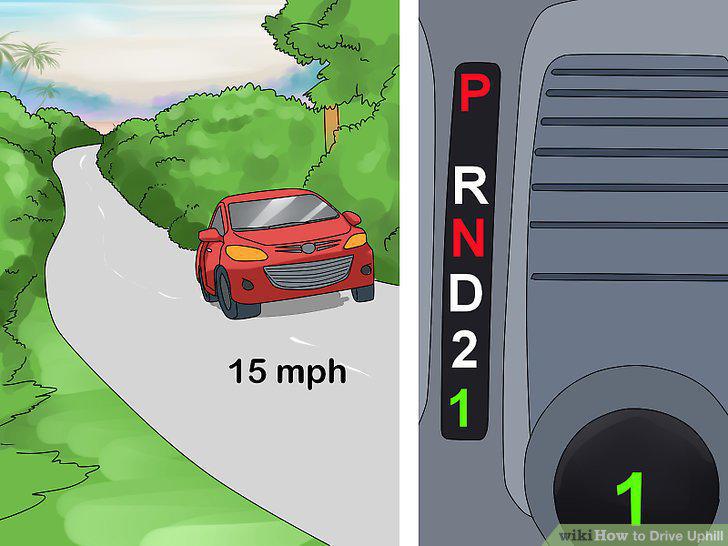
Downshift to the lowest gear if the hill is very steep.
Leave 4 to 10 seconds of distance between you and vehicles ahead.
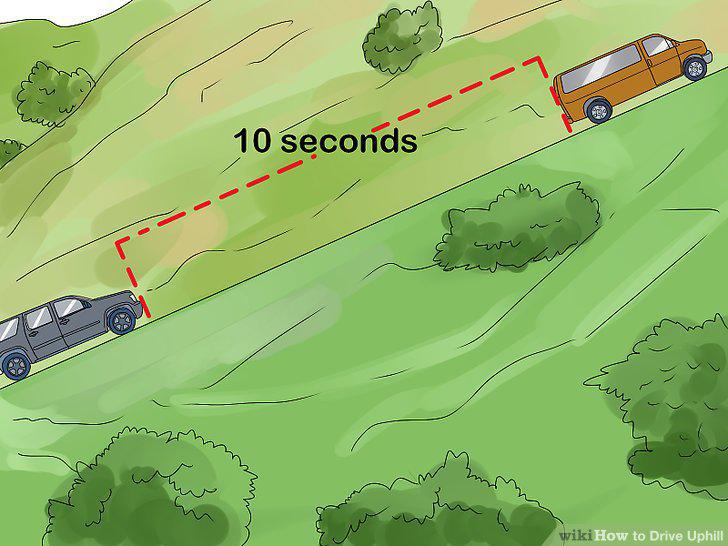
Leave 4 to 10 seconds of distance between you and vehicles ahead.
Pass on hills or curves only if you can see at least 500 ft (150 m) ahead.
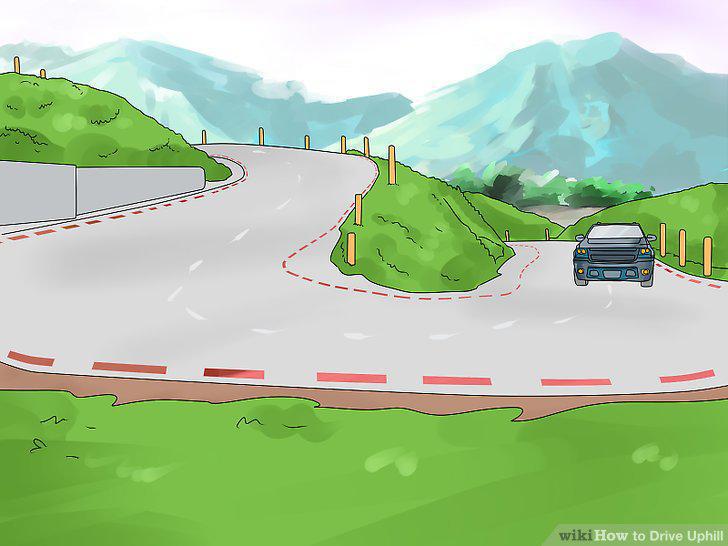
Pass on hills or curves only if you can see at least 500 ft (150 m) ahead.
Lower your speed when you reach the crest of the hill.
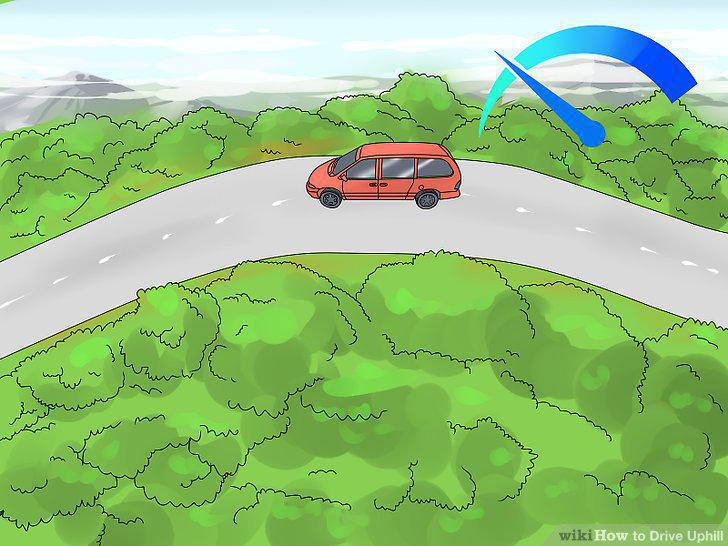
Lower your speed when you reach the crest of the hill.
Avoid running your air conditioner to prevent overheating your engine.
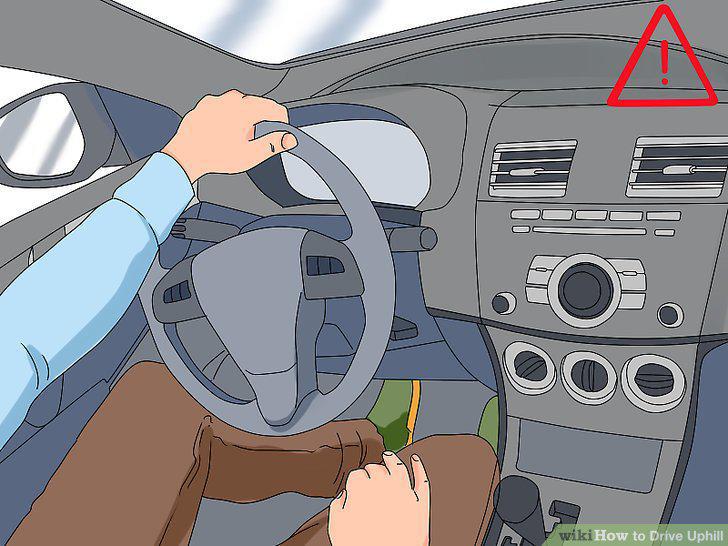
Avoid running your air conditioner to prevent overheating your engine.
Drive downhill in a low gear instead of coasting or dragging your brakes.
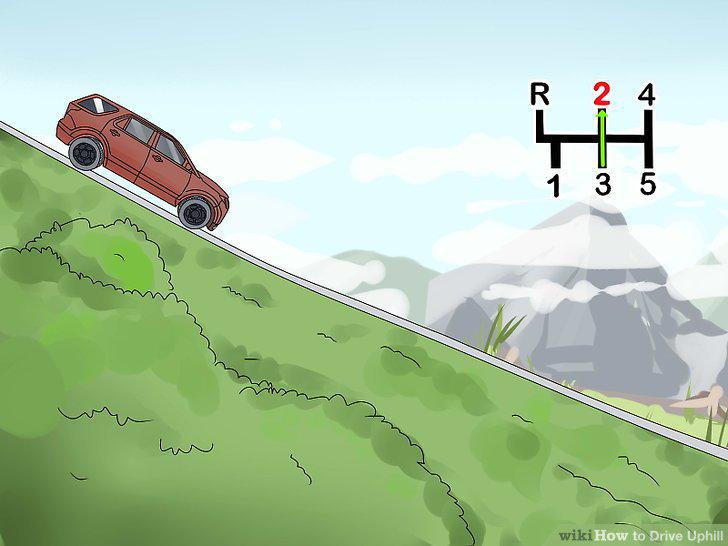
Drive downhill in a low gear instead of coasting or dragging your brakes.
Engage the parking brake when you park on a hill.
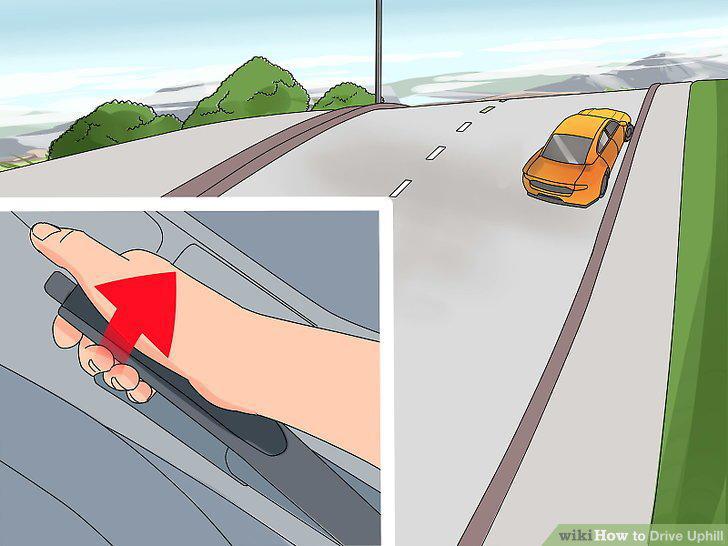
Engage the parking brake when you park on a hill.
Turn your front wheels away from the curb if the car is facing uphill.
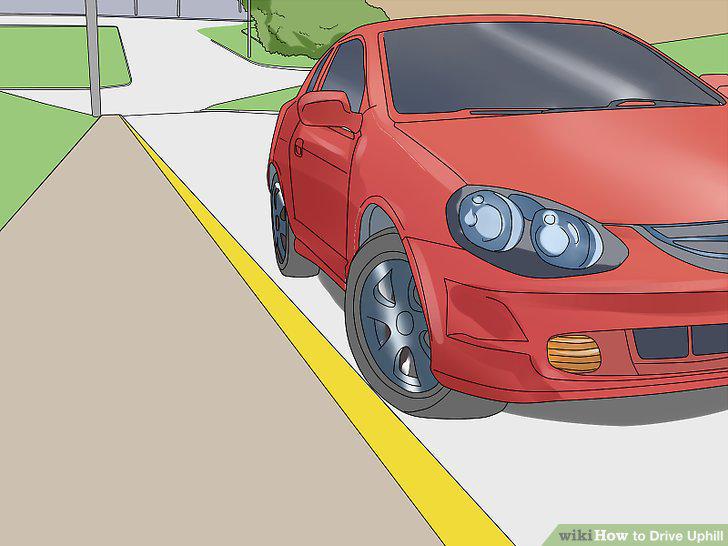
Turn your front wheels away from the curb if the car is facing uphill.
Leave your vehicle in first gear when you park if it's a manual.
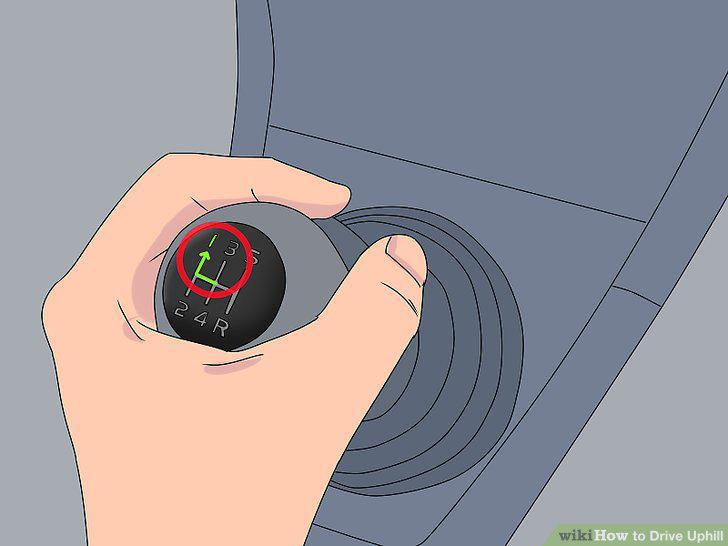
Leave your vehicle in first gear when you park if it's a manual.
Keep the parking brake engaged and put the car in first.
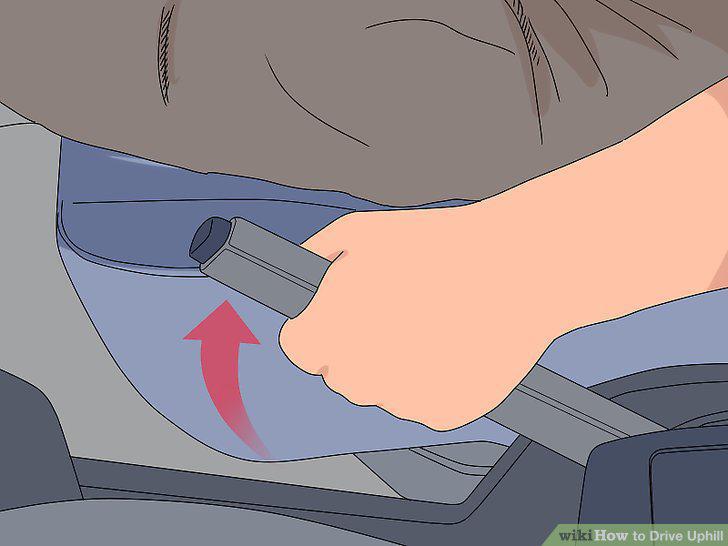
Keep the parking brake engaged and put the car in first.
Check that the road's clear, then bring the engine to 1500 RPM.
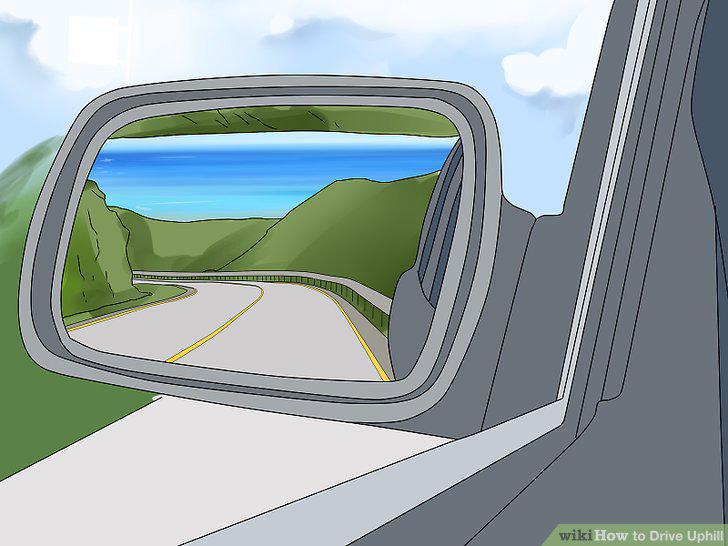
Check that the road's clear, then bring the engine to 1500 RPM.
Disengage the brake as you gently release the clutch and accelerate.
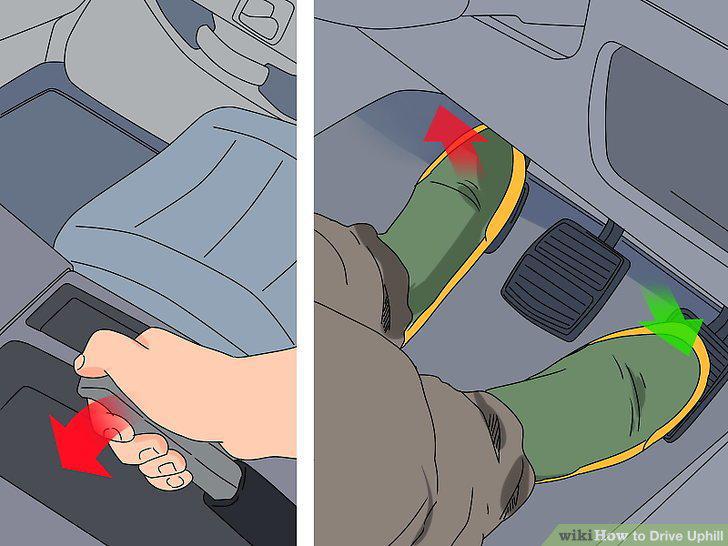
Disengage the brake as you gently release the clutch and accelerate.
Use the parking brake if you stop at a red light.
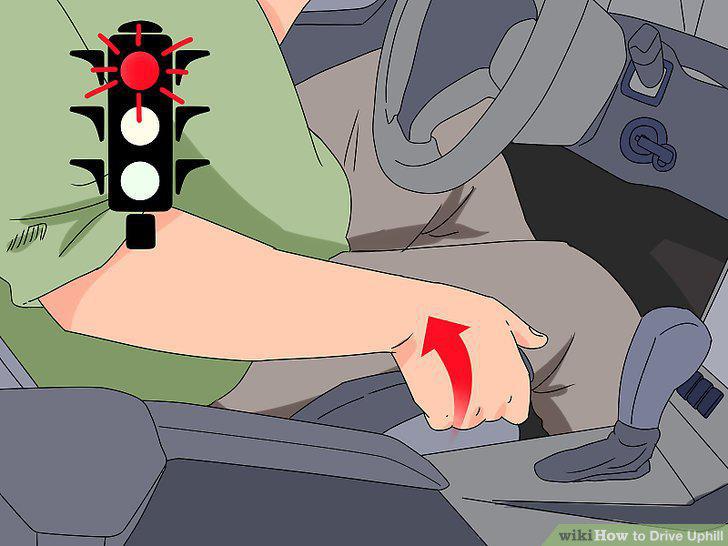
Use the parking brake if you stop at a red light.
Keep the parking brake engaged so you don't roll backwards.
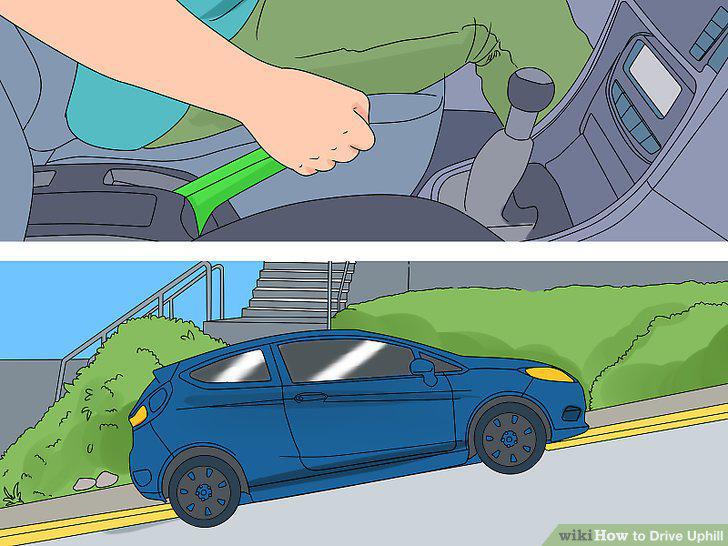
Keep the parking brake engaged so you don't roll backwards.
Make sure the the road is clear and turn on your indicator.
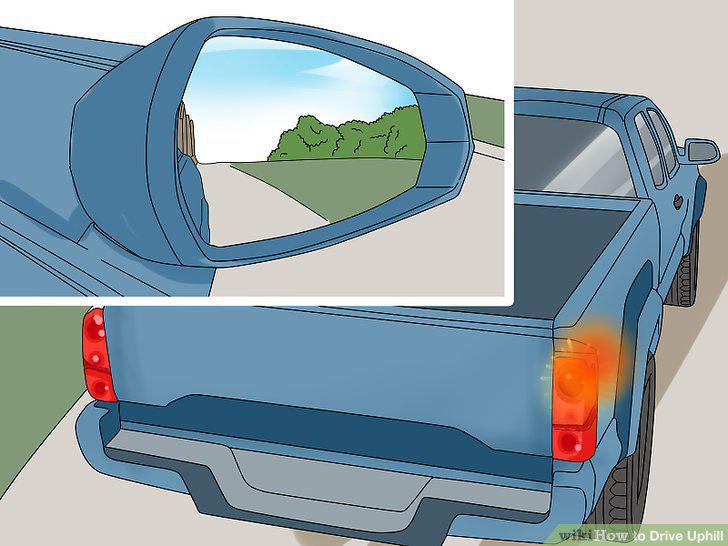
Make sure the the road is clear and turn on your indicator.
Step on the gas gently as you release the parking brake.
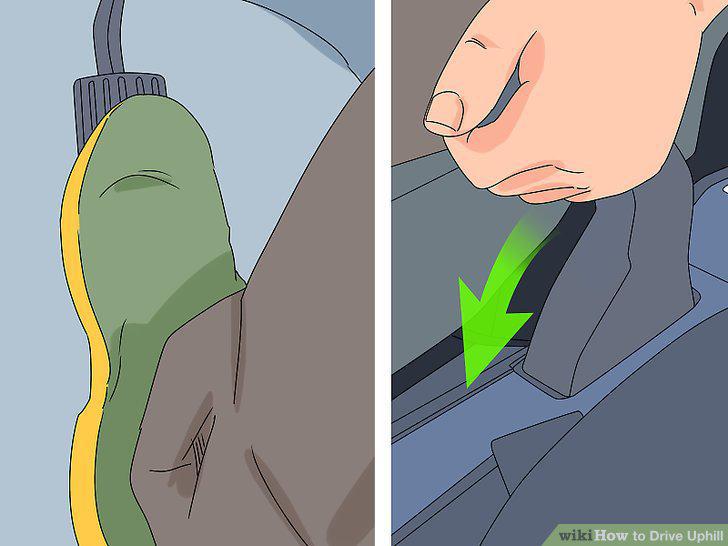
Step on the gas gently as you release the parking brake.
Use the parking brake if you're stopped on a steeper hill.
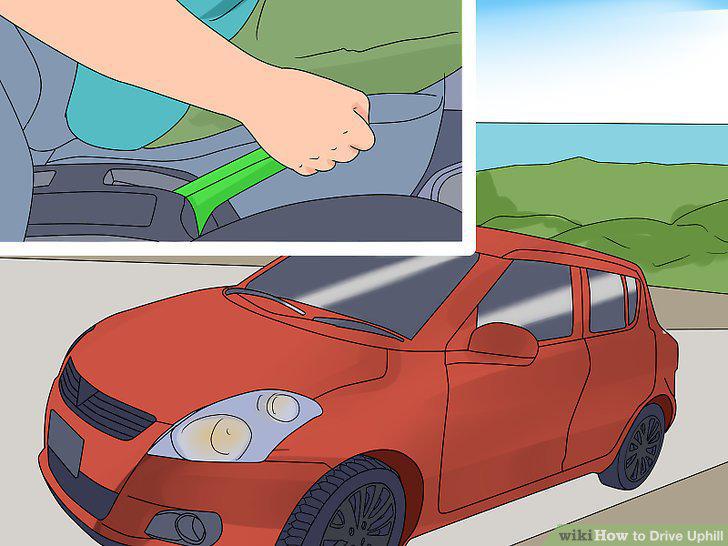
Use the parking brake if you're stopped on a steeper hill.
Comments (0)
No comments yet. Be the first to share your thoughts!