How to Caulk Outside the House
Caulk where walls meet at an angle.. Caulk around doorways and windows, and under door thresholds .. Caulk around wall lamps and electrical outlets that are mounted into walls.
Steps
Caulk where walls meet at an angle.
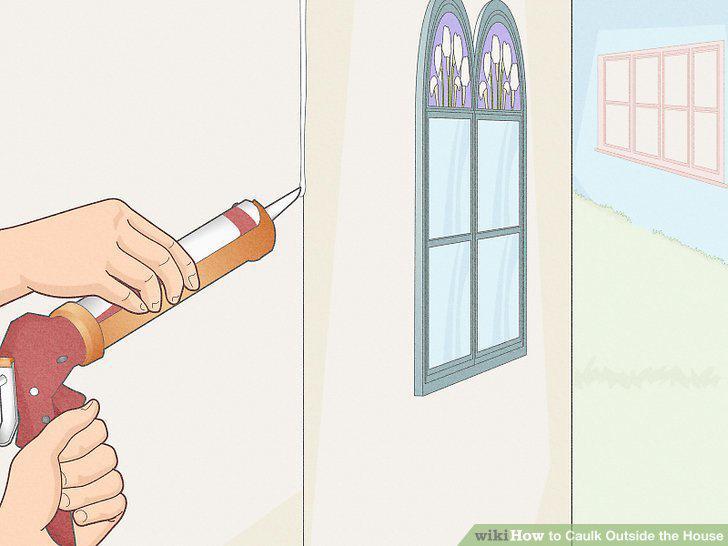
Caulk where walls meet at an angle.
Caulk around doorways and windows, and under door thresholds .
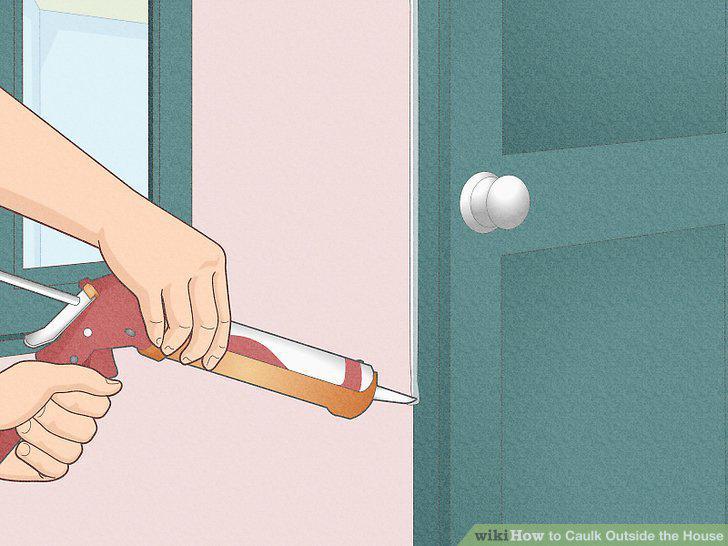
Caulk around doorways and windows, and under door thresholds .
Caulk around wall lamps and electrical outlets that are mounted into walls.
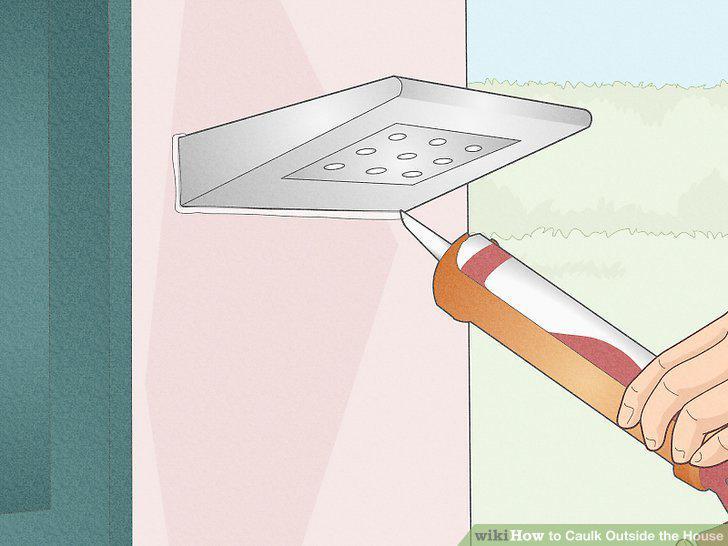
Caulk around wall lamps and electrical outlets that are mounted into walls.
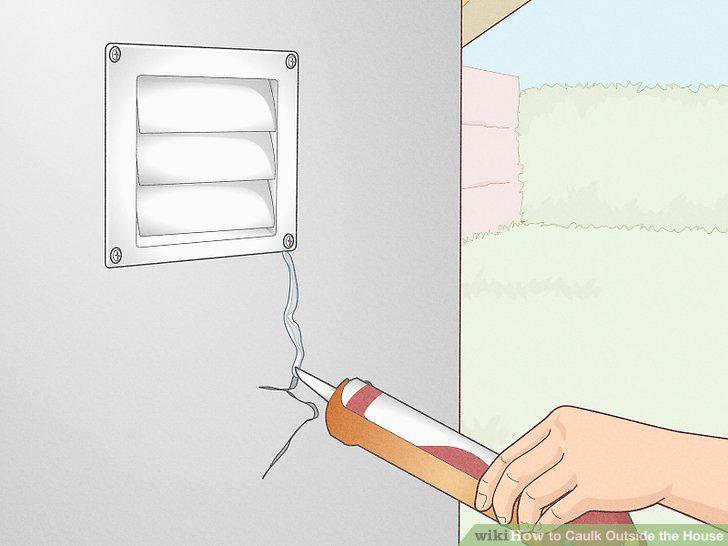
Caulk around anything that goes through a wall.
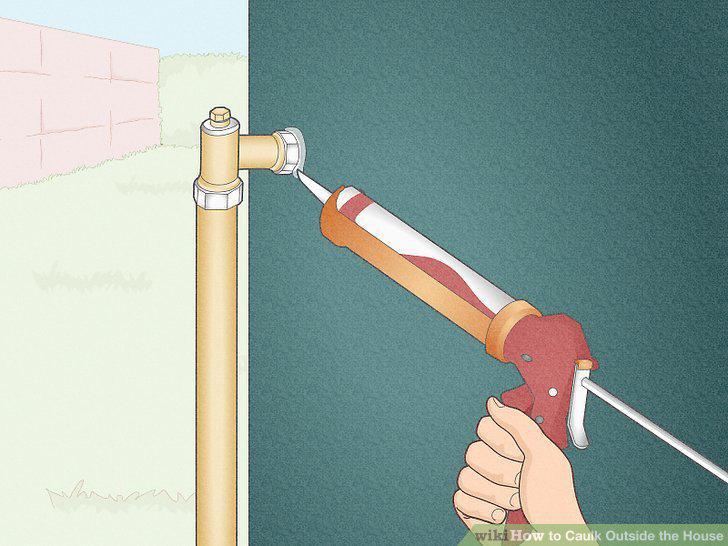
Caulk around anything that goes through a wall.
Fill cracks in brick, stone, block, and concrete walls.
Fill cracks in brick, stone, block, and concrete walls.
Seal holes in wall between crawl space and basement.
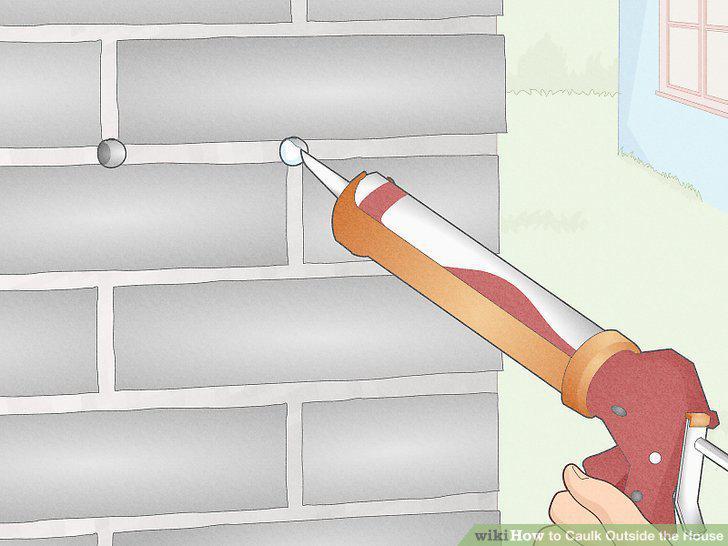
Seal holes in wall between crawl space and basement.
Seal the gaps around a dryer hood that is mounted to a plastic window pane.
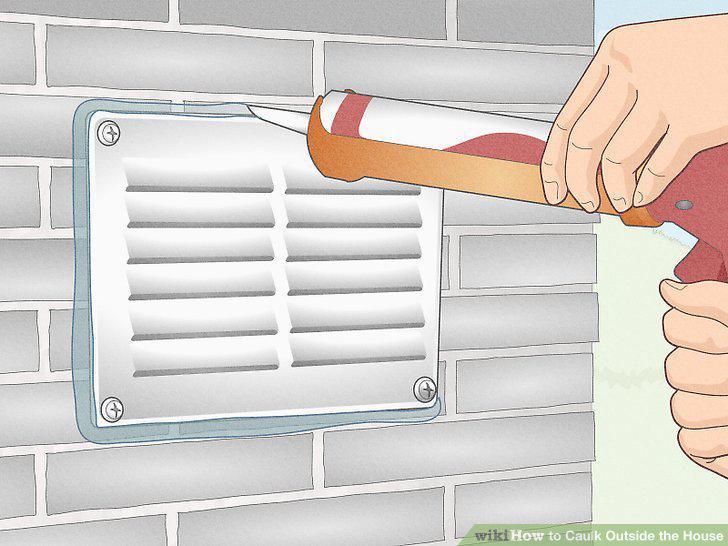
Seal the gaps around a dryer hood that is mounted to a plastic window pane.
Apply the caulk or sealant when the surfaces are very dry.
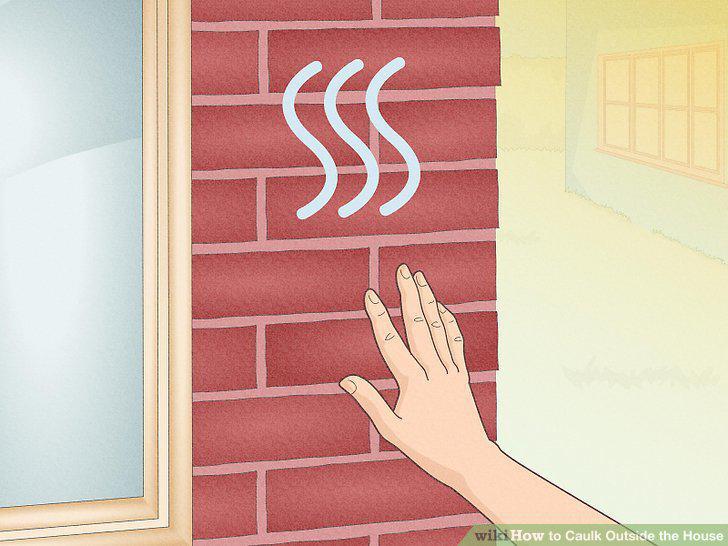
Apply the caulk or sealant when the surfaces are very dry.
Remove the old caulking.
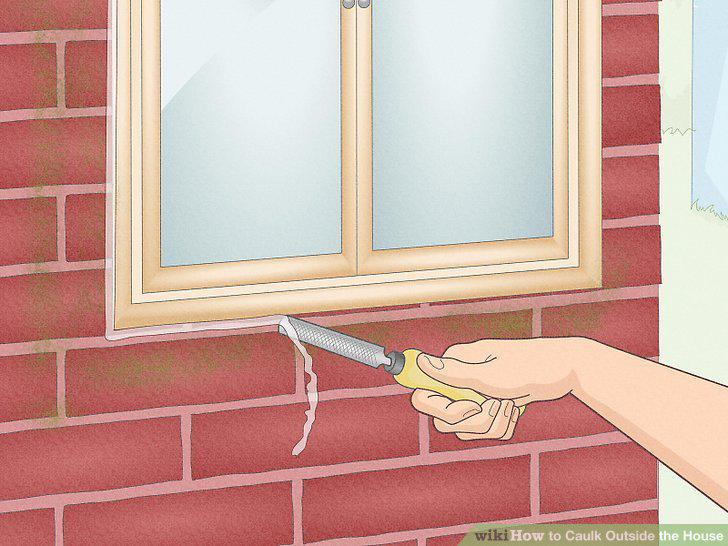
Remove the old caulking.
Clean the area before caulking if it is very dirty.
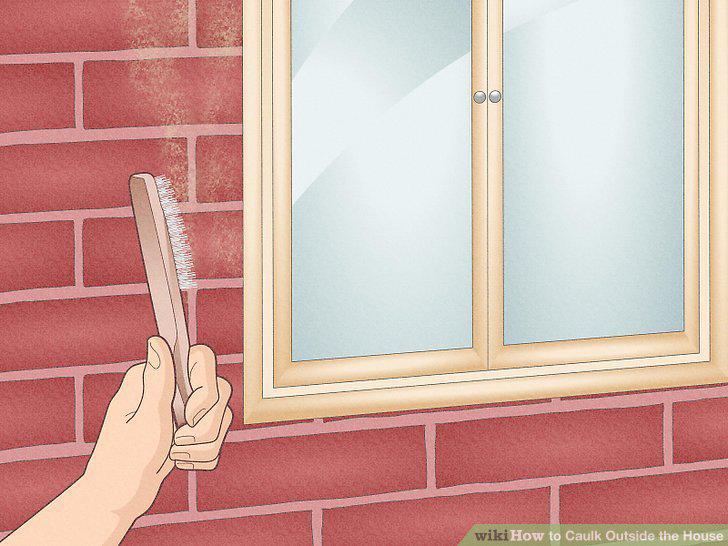
Clean the area before caulking if it is very dirty.
Push the caulking gun forward to force the caulk or sealant into the gap.
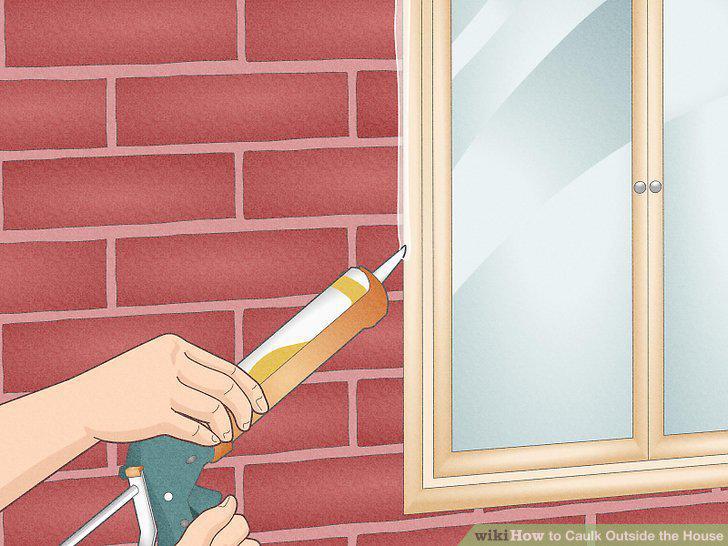
Push the caulking gun forward to force the caulk or sealant into the gap.
Fill cracks that are too deep with foam backer rods before caulking.
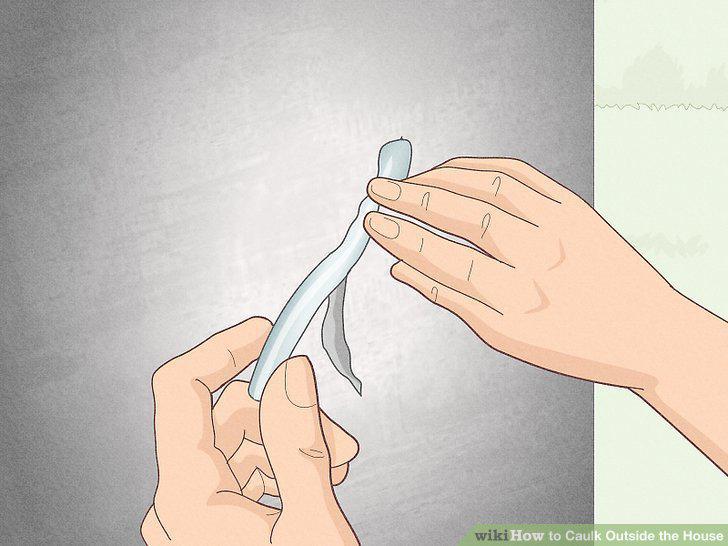
Fill cracks that are too deep with foam backer rods before caulking.
Nail loose siding to the wall before caulking.
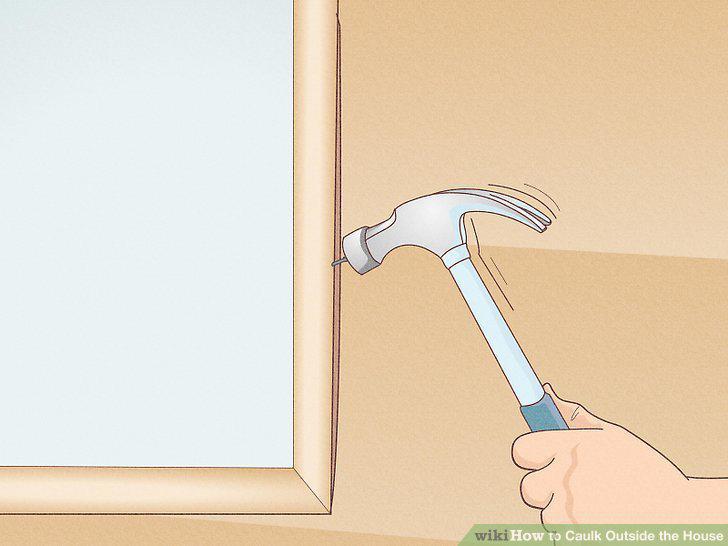
Nail loose siding to the wall before caulking.
Use sealant instead of caulk where you can.
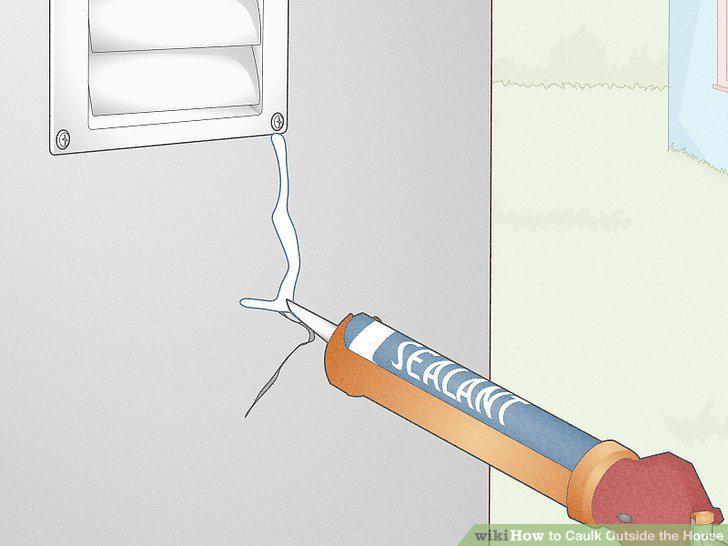
Use sealant instead of caulk where you can.
Use silicone or silicone rubber sealant for damp or hot areas.
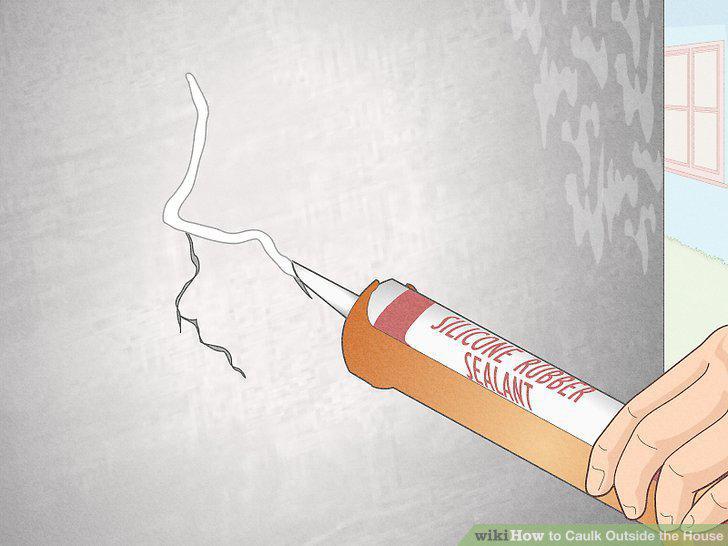
Use silicone or silicone rubber sealant for damp or hot areas.
Use polyurethane sealant for strong adhesion to wood, glass, metal, masonry, sto
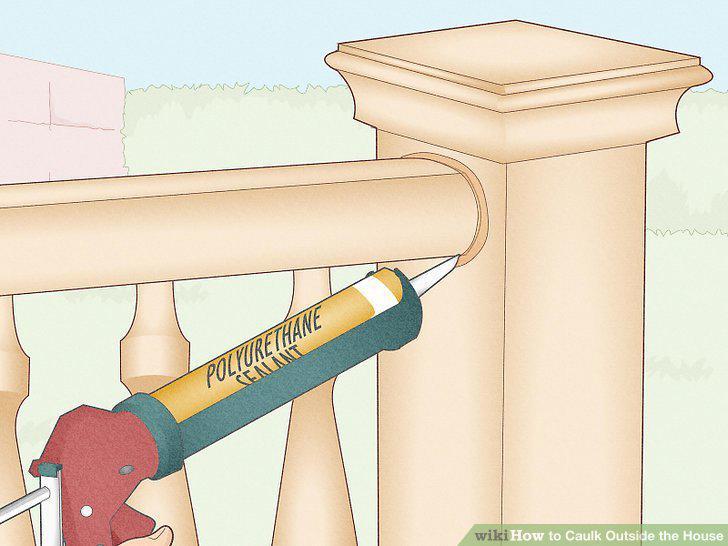
Use polyurethane sealant for strong adhesion to wood, glass, metal, masonry, stone or PVC.
Use masonry sealant for brick, stone, concrete and stucco walls.
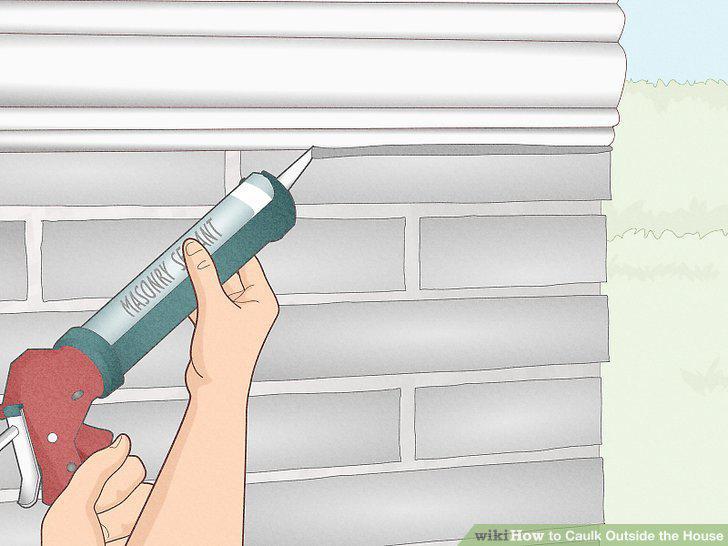
Use masonry sealant for brick, stone, concrete and stucco walls.
Use siliconized acrylic latex caulk to match a color.
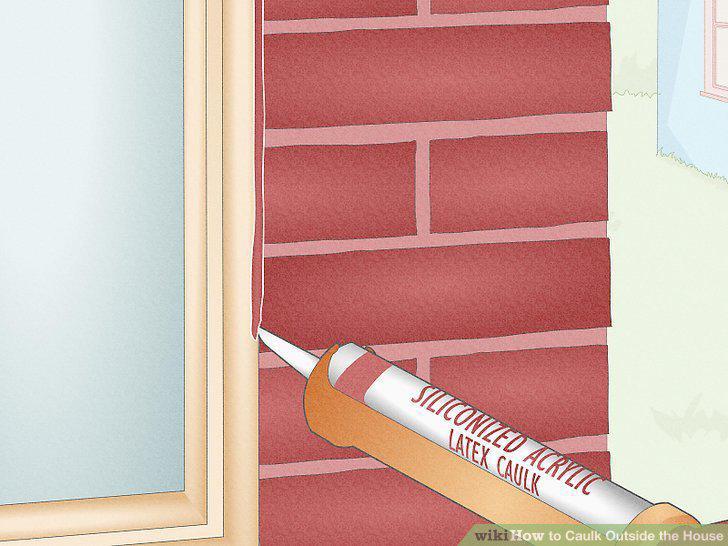
Use siliconized acrylic latex caulk to match a color.
Comments (0)
No comments yet. Be the first to share your thoughts!