How to Identify Genuine Leather
Be wary of any product that doesn't specifically claim to be real leather.. Check the surface grain, the little "pebbles" and pores, for imperfections and uniqueness that signal genuine leather.. Press into the leather, looking for creases and wrinkles.
Steps
Be wary of any product that doesn't specifically claim to be real leather.
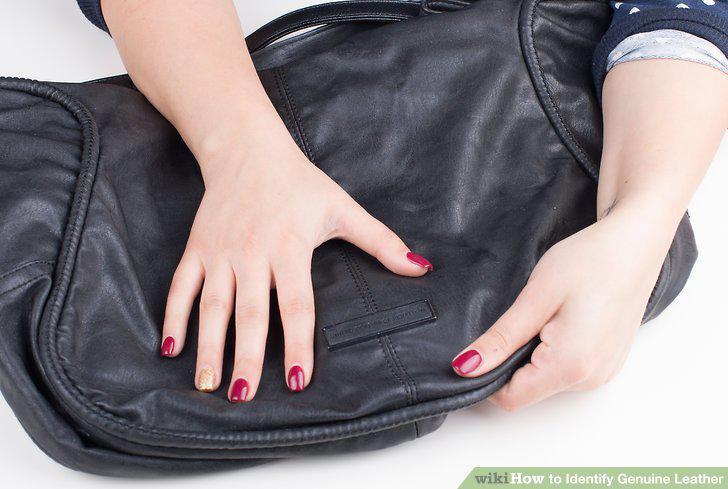
Be wary of any product that doesn't specifically claim to be real leather.
Check the surface grain, the little "pebbles" and pores, for imperfections and u
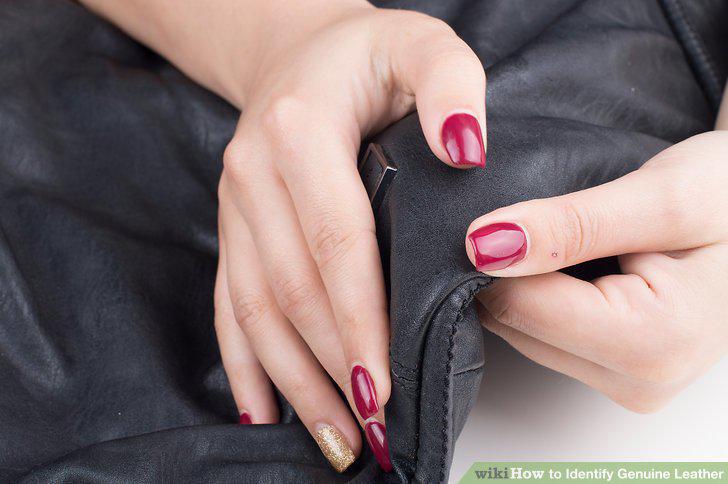
Check the surface grain, the little "pebbles" and pores, for imperfections and uniqueness that signal genuine leather.
Press into the leather, looking for creases and wrinkles.
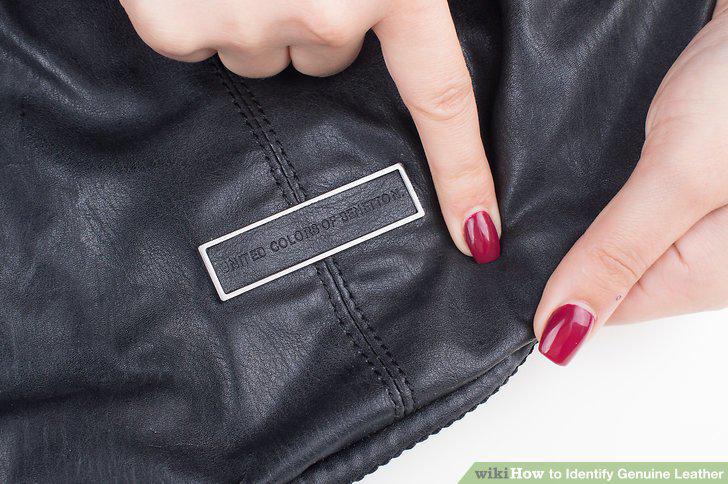
Press into the leather, looking for creases and wrinkles.
Smell the leather, searching for a natural, musty smell instead of plastic-like

Smell the leather, searching for a natural, musty smell instead of plastic-like or chemical-y.
Use the fire test, recognizing that it will likely ruin part of the good.
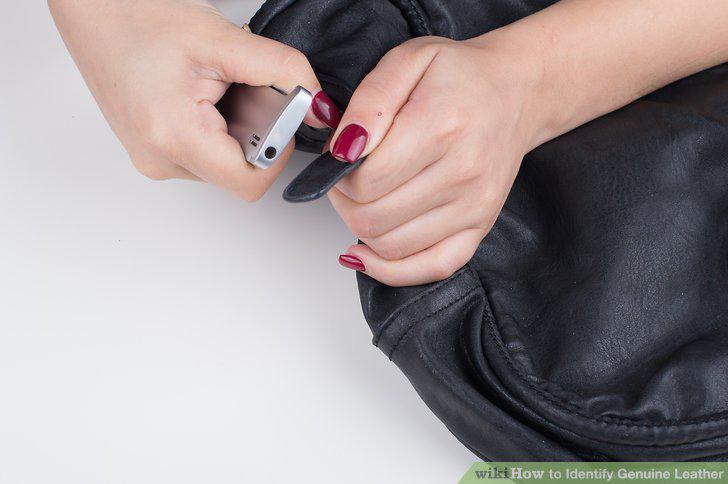
Use the fire test, recognizing that it will likely ruin part of the good.
Note the edges, as real leather has rough edges where faux has even, perfect edg
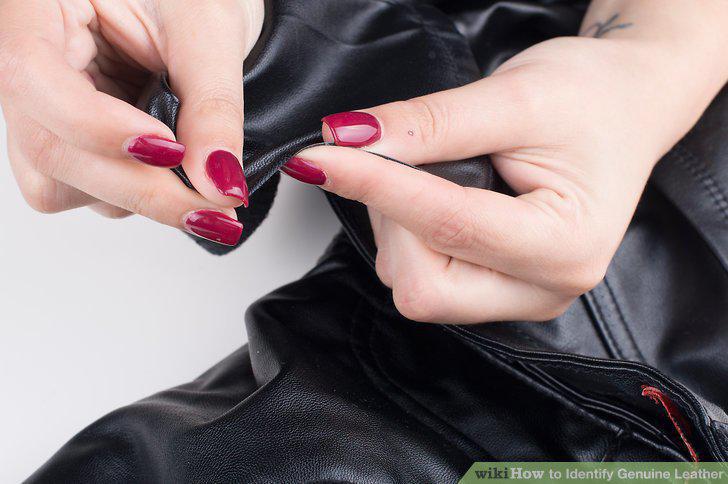
Note the edges, as real leather has rough edges where faux has even, perfect edges.
Bend the leather, looking for it to change color slightly in real leather.
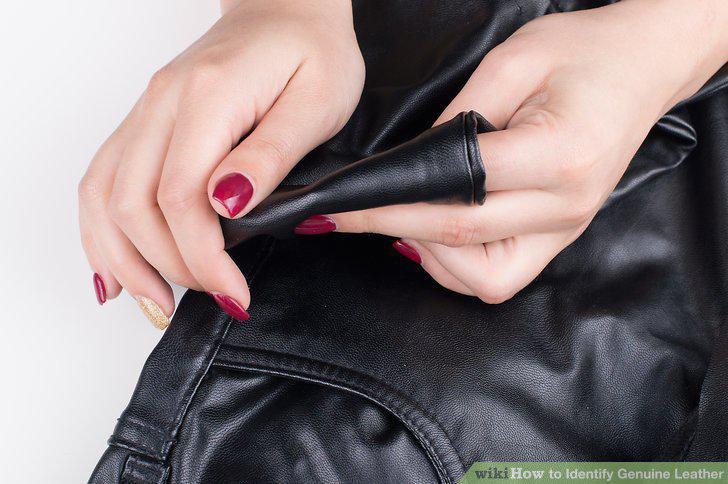
Bend the leather, looking for it to change color slightly in real leather.
Drop a small amount of water on the good, as real leather absorbs moisture.
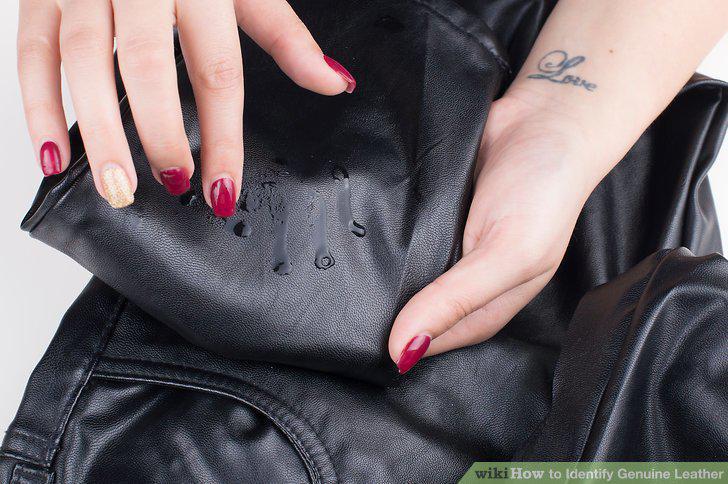
Drop a small amount of water on the good, as real leather absorbs moisture.
Know that real leather goods are rarely ever cheap.
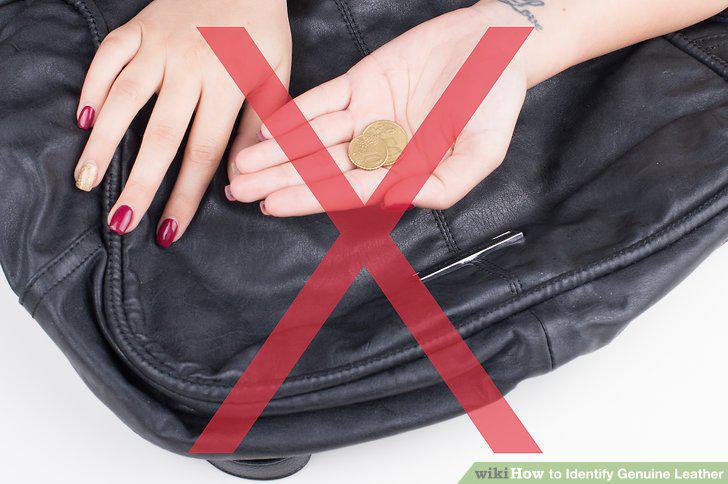
Know that real leather goods are rarely ever cheap.
Ignore color, as even colored leathers can be genuine.
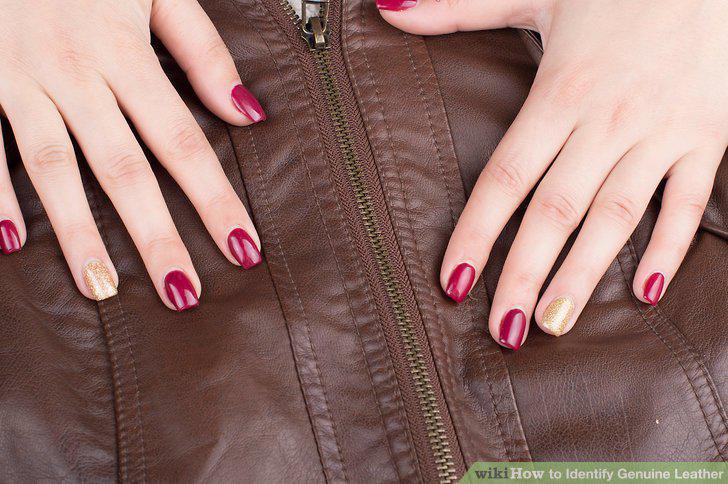
Ignore color, as even colored leathers can be genuine.
Understand that "Genuine Leather" is only one kind of real, legitimate leather o
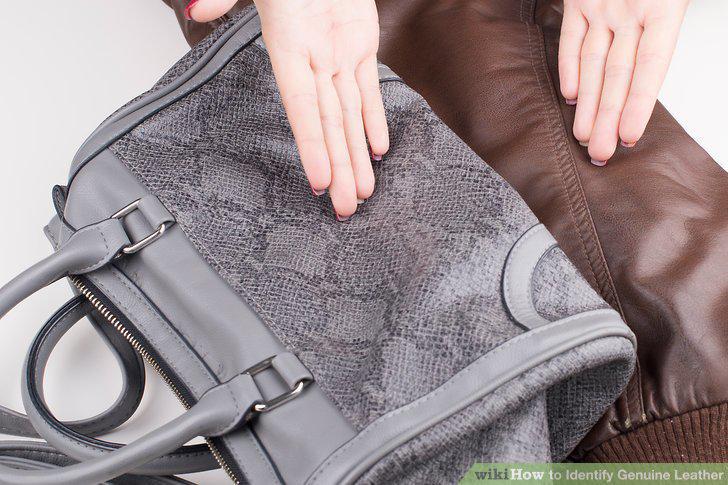
Understand that "Genuine Leather" is only one kind of real, legitimate leather on the market.
Purchase "full grain" leather for only for the most high-end products.
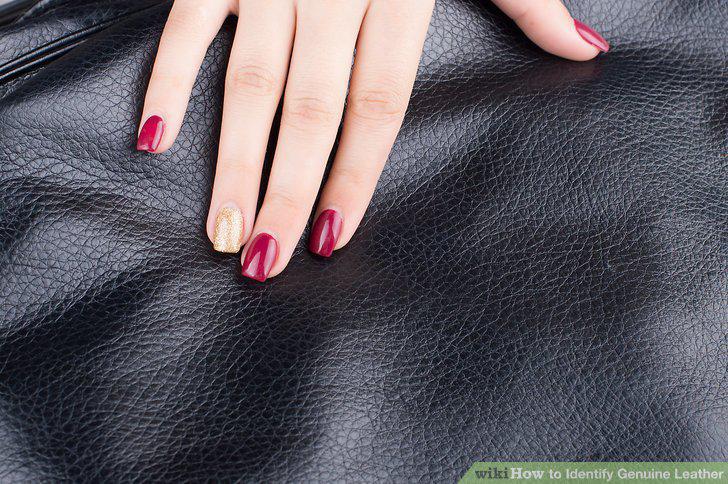
Purchase "full grain" leather for only for the most high-end products.
Search for "top grain leather" to get high-quality goods at a much more reasonab
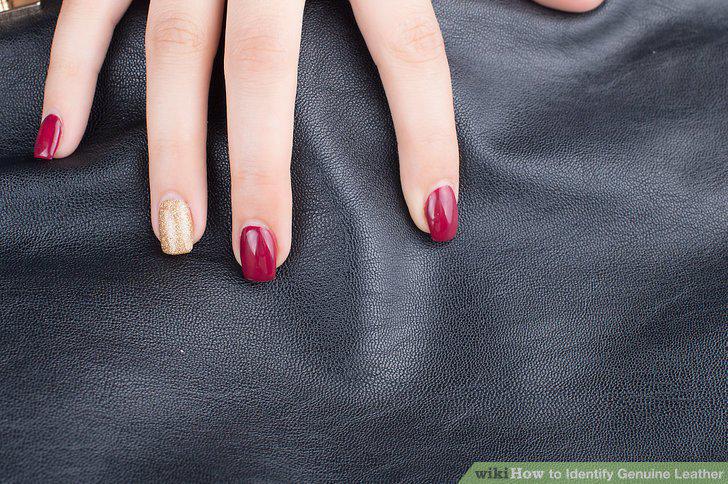
Search for "top grain leather" to get high-quality goods at a much more reasonable price.
Know that "genuine leather" usually has a suede side or feeling to it.
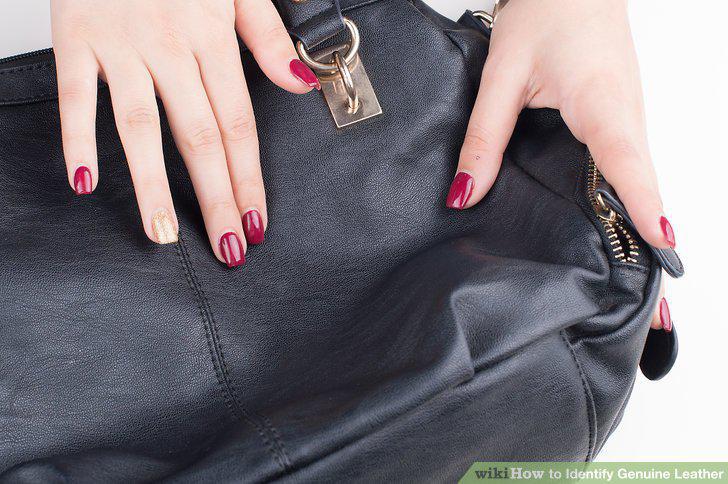
Know that "genuine leather" usually has a suede side or feeling to it.
Stay away from "bonded leather," which is made from ground up and glued leather
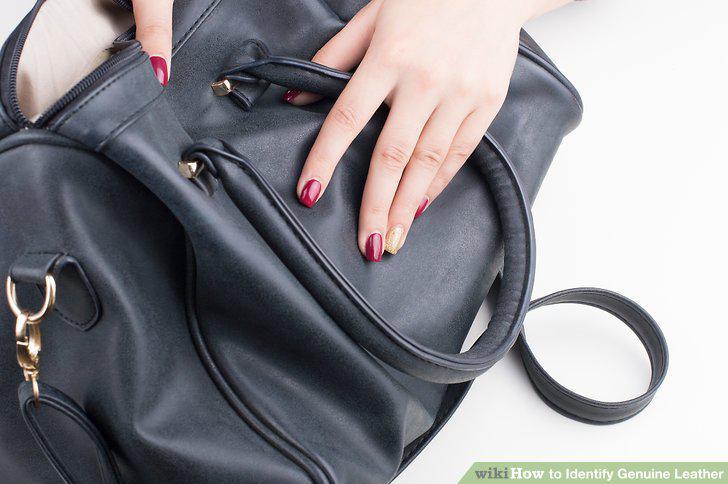
Stay away from "bonded leather," which is made from ground up and glued leather shavings.
Comments (0)
No comments yet. Be the first to share your thoughts!