How to Keep Japanese Weather Loaches
Purchase a tank with 40 US gal (150 L) of space and a 4 ft (1.2 m) length.. Create a bottom substrate with small-grained sand or gravel.. Decorate the tank with plants, rocks, and shelters.
Steps
Purchase a tank with 40 US gal (150 L) of space and a 4 ft (1.2 m) length.
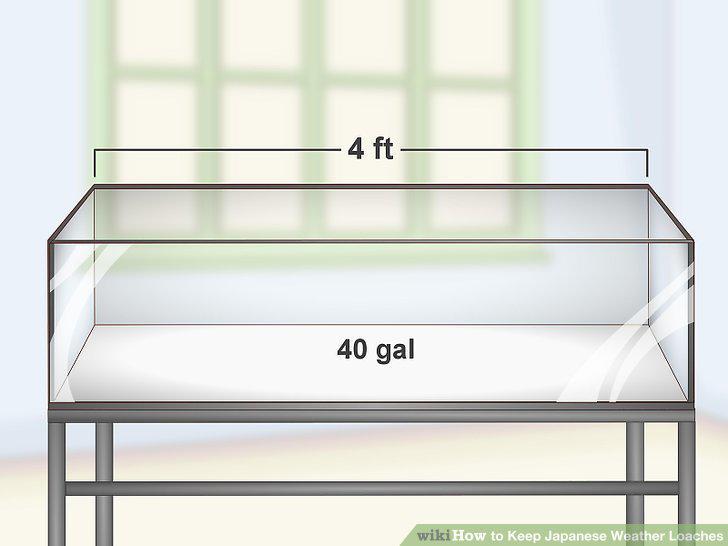
Purchase a tank with 40 US gal (150 L) of space and a 4 ft (1.2 m) length.
Create a bottom substrate with small-grained sand or gravel.
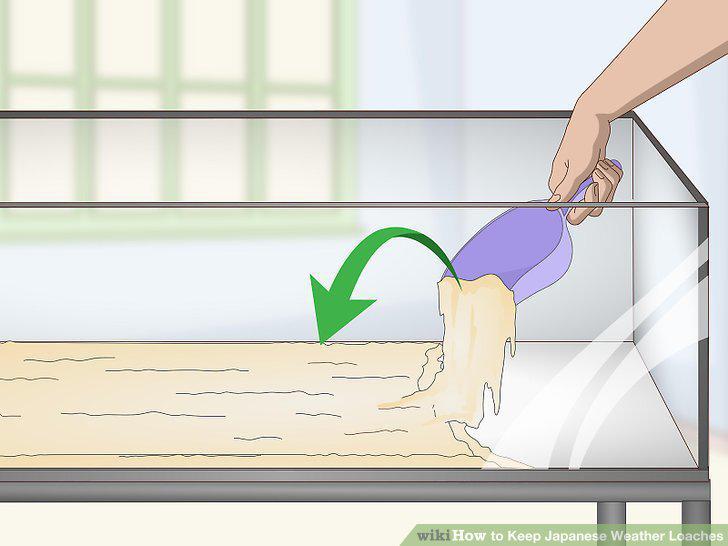
Create a bottom substrate with small-grained sand or gravel.
Decorate the tank with plants, rocks, and shelters.
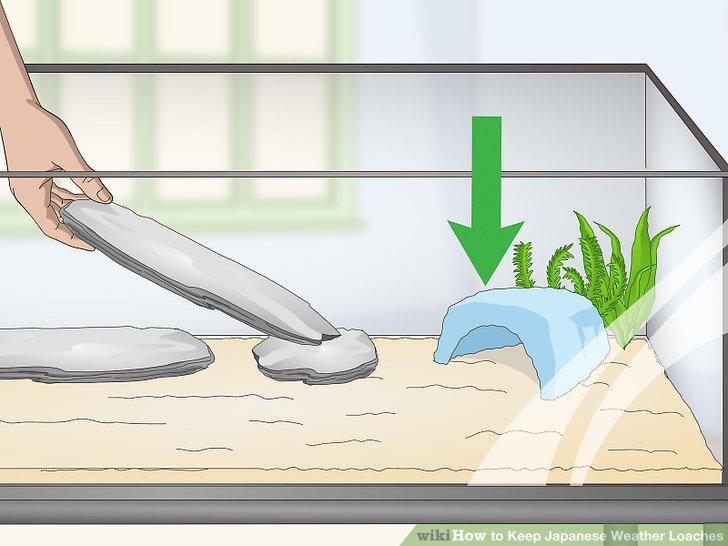
Decorate the tank with plants, rocks, and shelters.
Install an under-gravel or power filter.
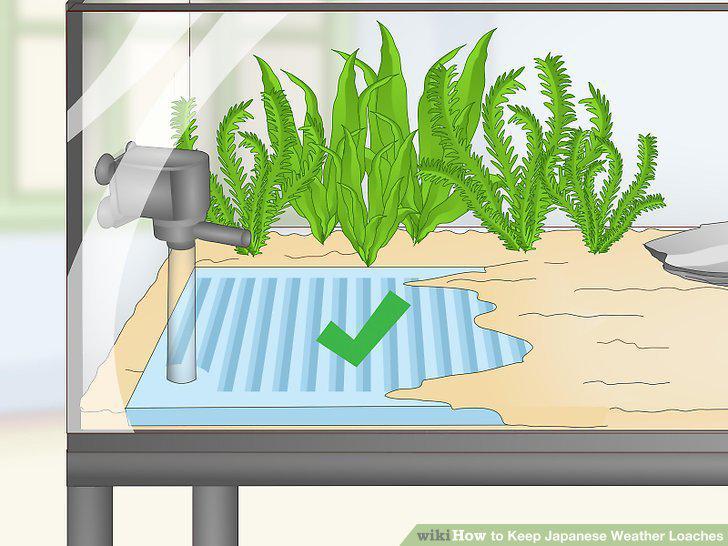
Install an under-gravel or power filter.
Fill your tank with conditioned water.
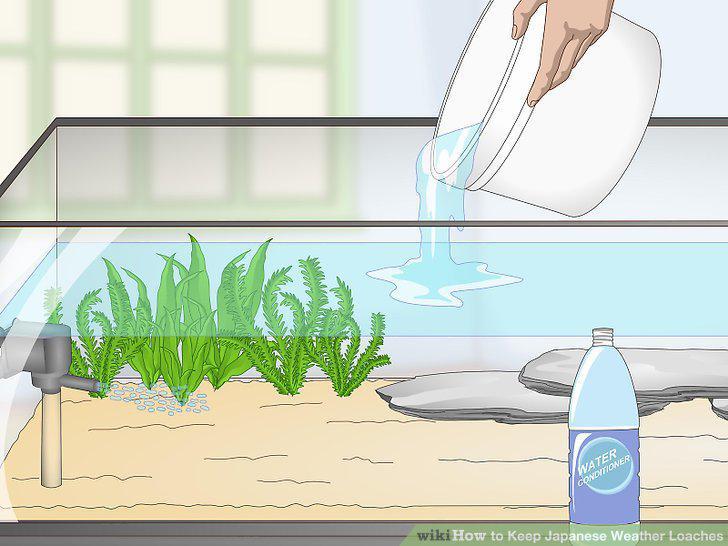
Fill your tank with conditioned water.
Install a heater inside your tank to keep it warm.
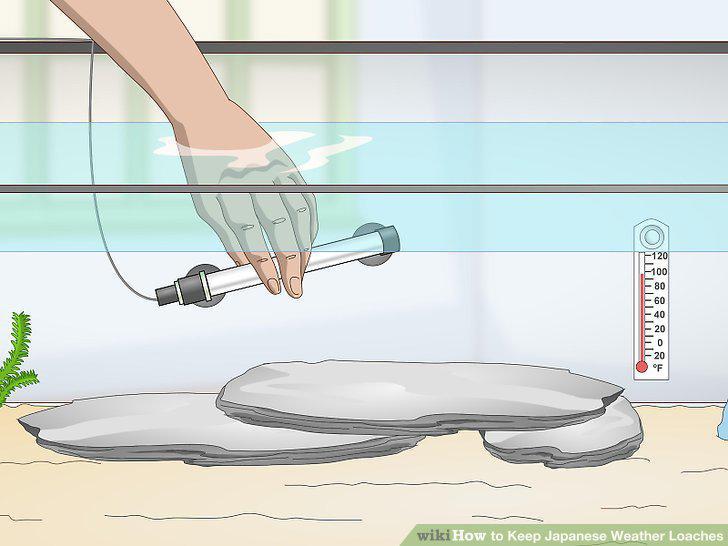
Install a heater inside your tank to keep it warm.
Create a diet of fish insect larvae, small crustaceans, and dry food.
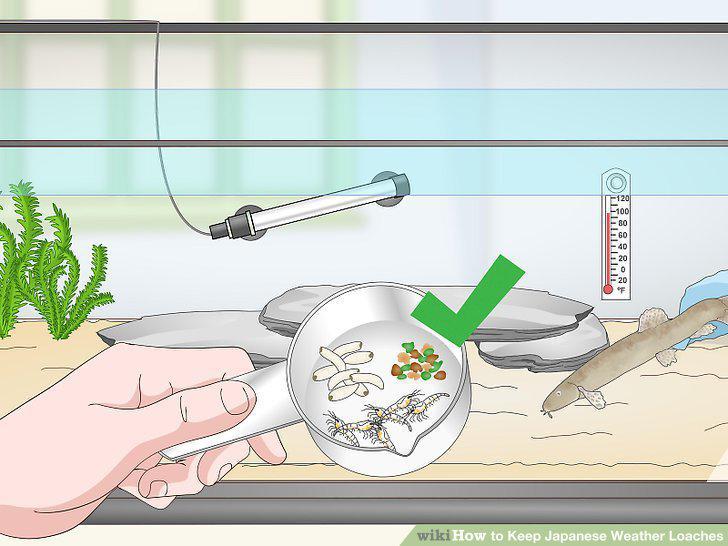
Create a diet of fish insect larvae, small crustaceans, and dry food.
Feed your fish 2 to 3 times daily.
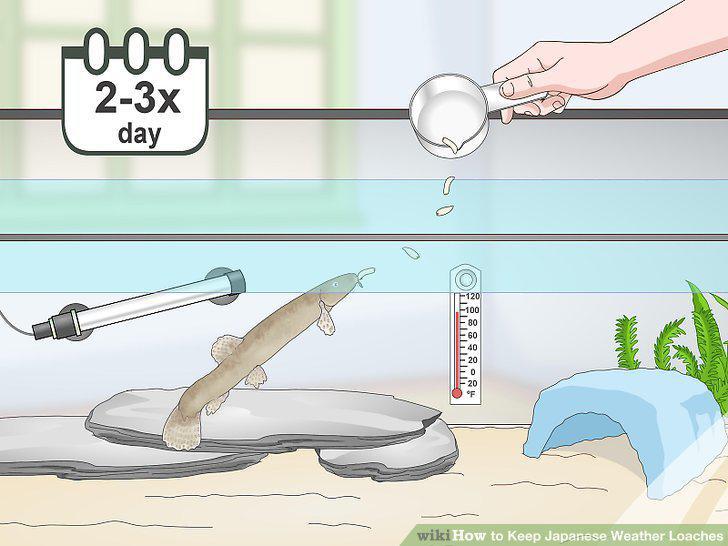
Feed your fish 2 to 3 times daily.
Stroke and hand-feed your fish when they're comfortable with you.
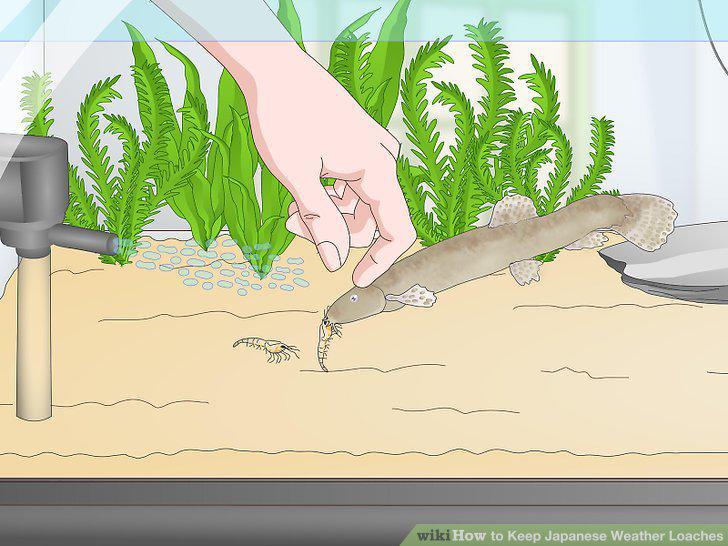
Stroke and hand-feed your fish when they're comfortable with you.
Keep your Japanese weather loaches with temperate community fish.
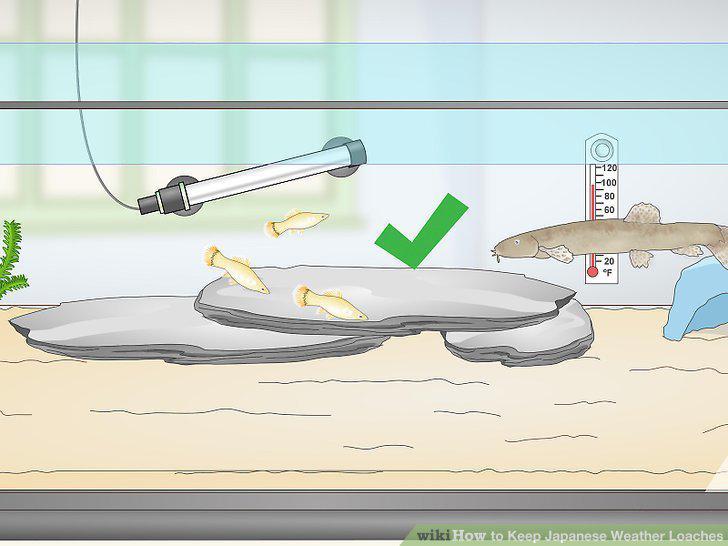
Keep your Japanese weather loaches with temperate community fish.
Keep the water pH
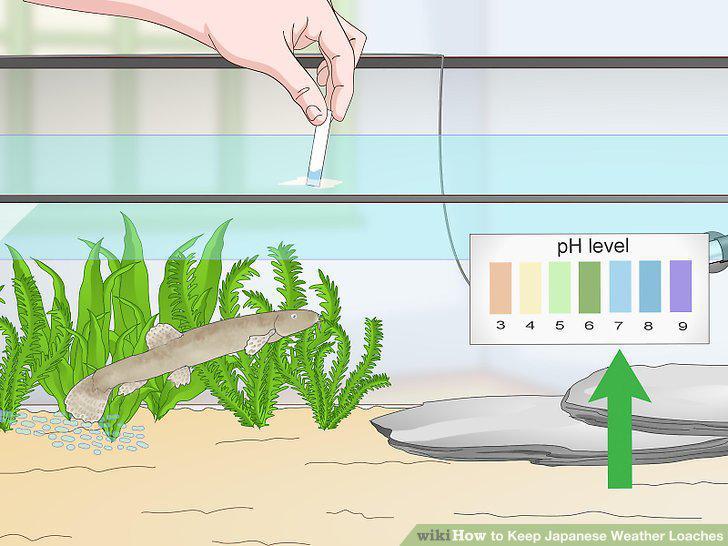
Keep the water pH
Keep tank temperature between 68 to 72 °F (20 to 22 °C).
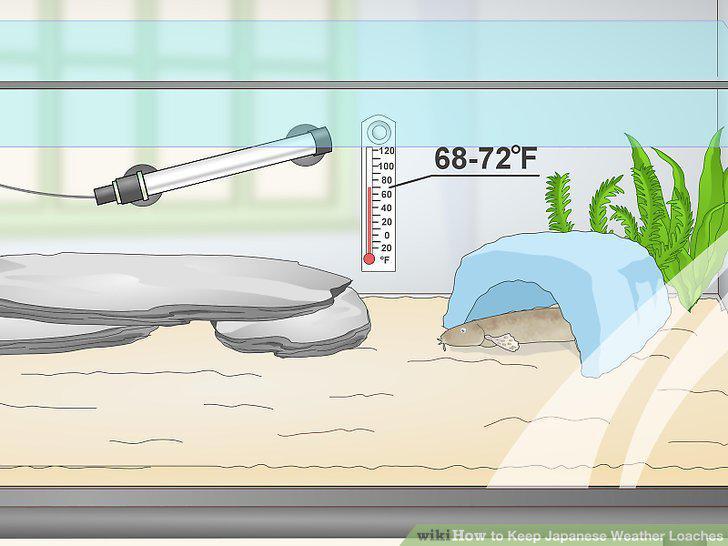
Keep tank temperature between 68 to 72 °F (20 to 22 °C).
Clean your fish tank weekly to prevent waste buildup.
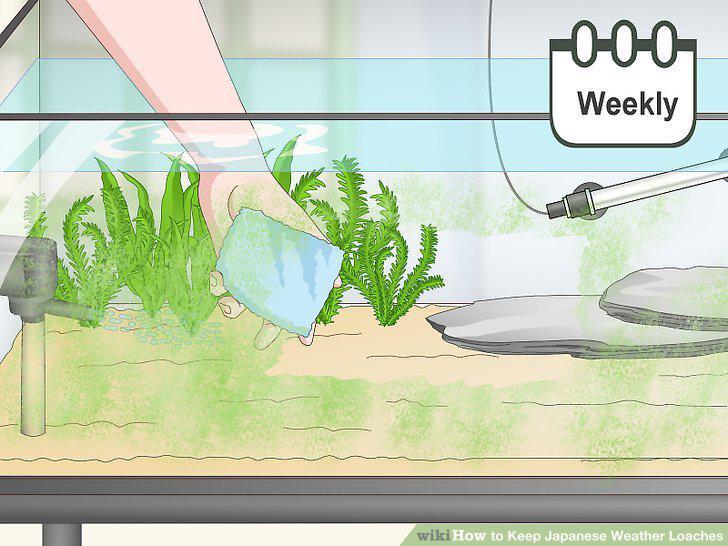
Clean your fish tank weekly to prevent waste buildup.
Change 30 percent of the water each week.
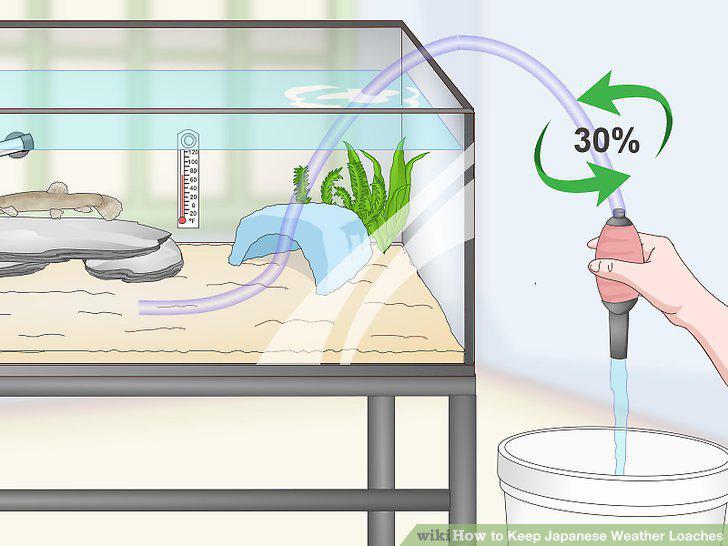
Change 30 percent of the water each week.
Test your water for nitrite and ammonia regularly.
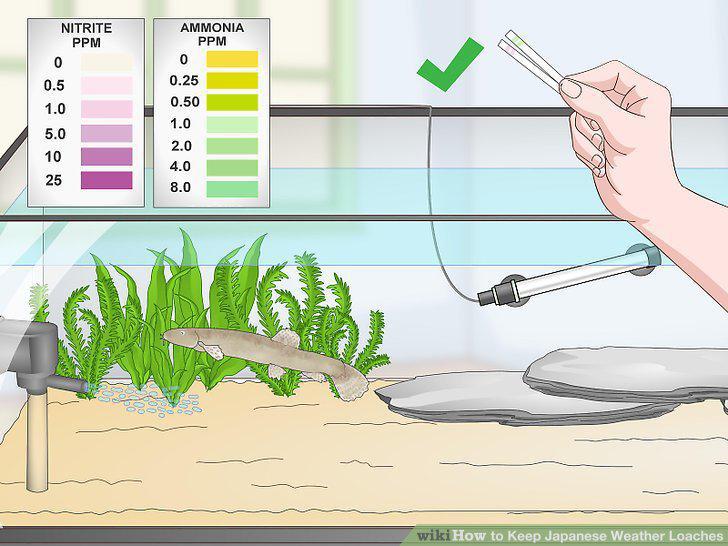
Test your water for nitrite and ammonia regularly.
Comments (0)
No comments yet. Be the first to share your thoughts!