How to Do Random Sampling
Use simple random sampling for small or homogenous populations.. Define your population.. Determine your desired sample size.
Steps
Use simple random sampling for small or homogenous populations.
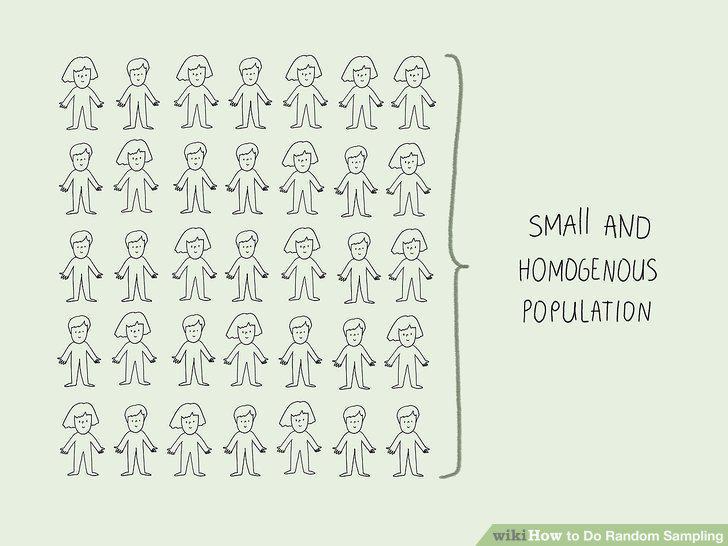
Use simple random sampling for small or homogenous populations.
Define your population.
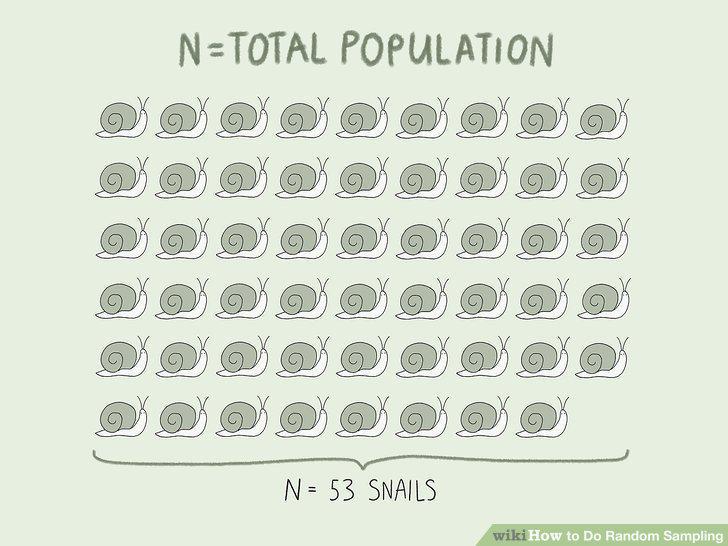
Define your population.
Determine your desired sample size.
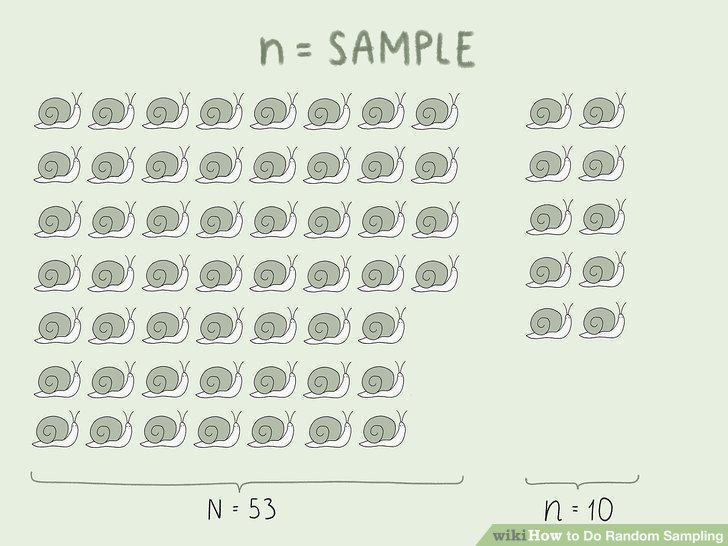
Determine your desired sample size.
Assign an identifying number to each member of the population.
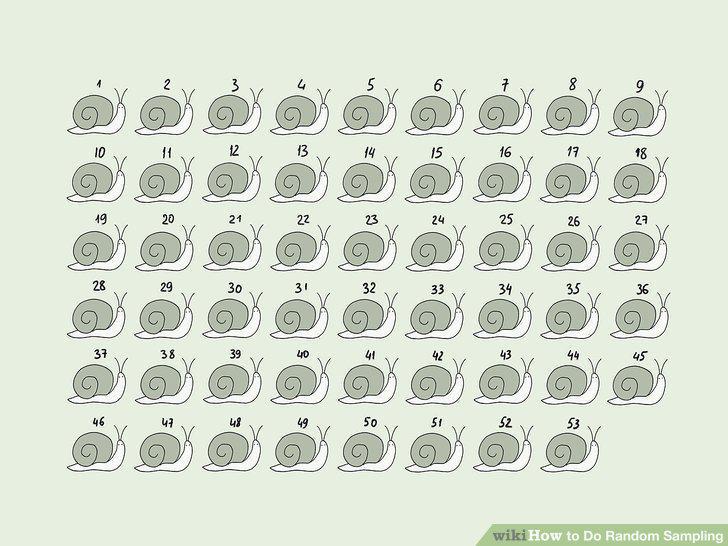
Assign an identifying number to each member of the population.
Select your sample by lottery if you have a small population.
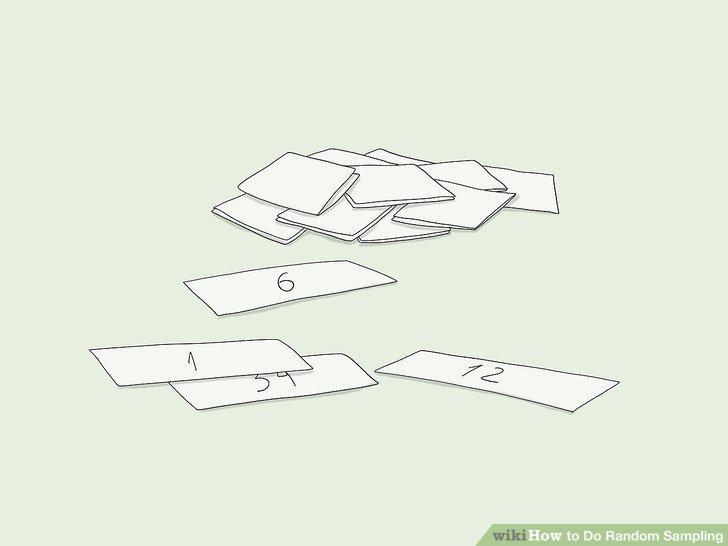
Select your sample by lottery if you have a small population.
Use a random number generator for larger samples.
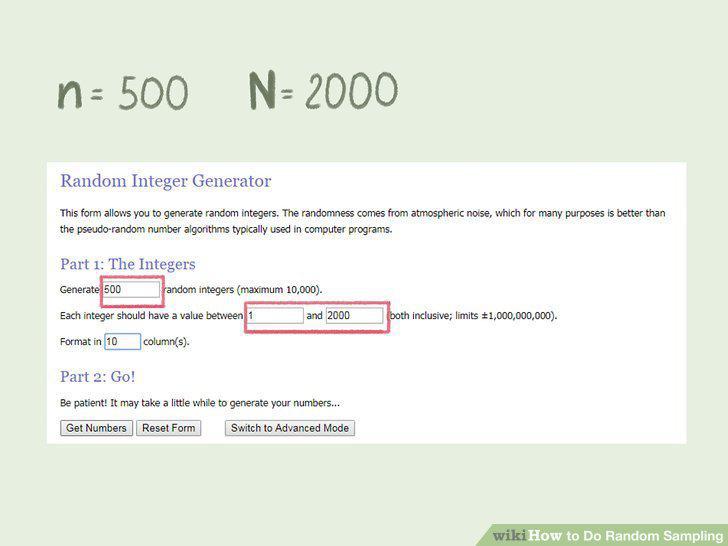
Use a random number generator for larger samples.
Take multiple samples "without replacement" to avoid duplicates.
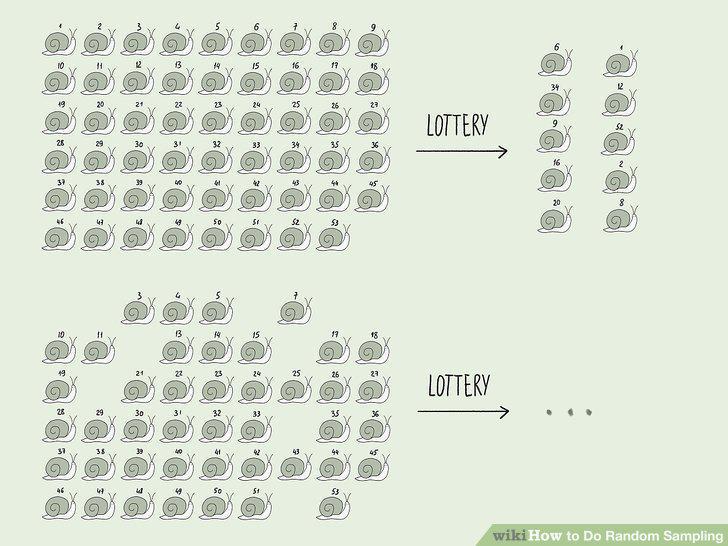
Take multiple samples "without replacement" to avoid duplicates.
Opt for stratified sampling if you need more nuanced analysis.
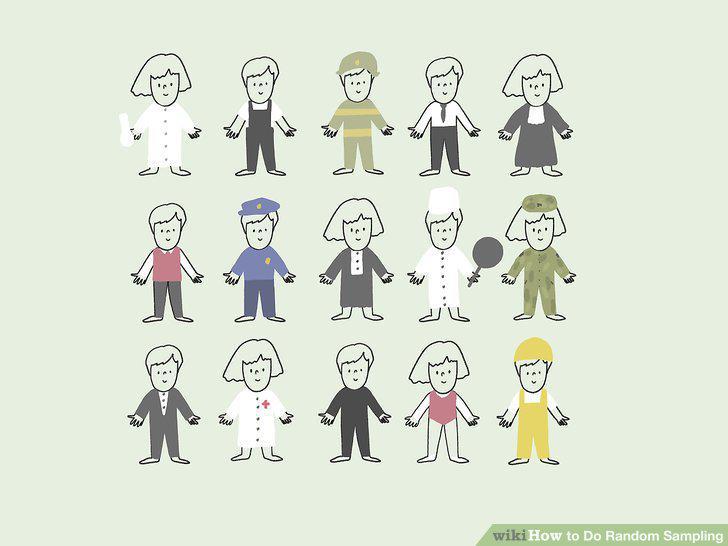
Opt for stratified sampling if you need more nuanced analysis.
Divide your population into strata by shared characteristics.
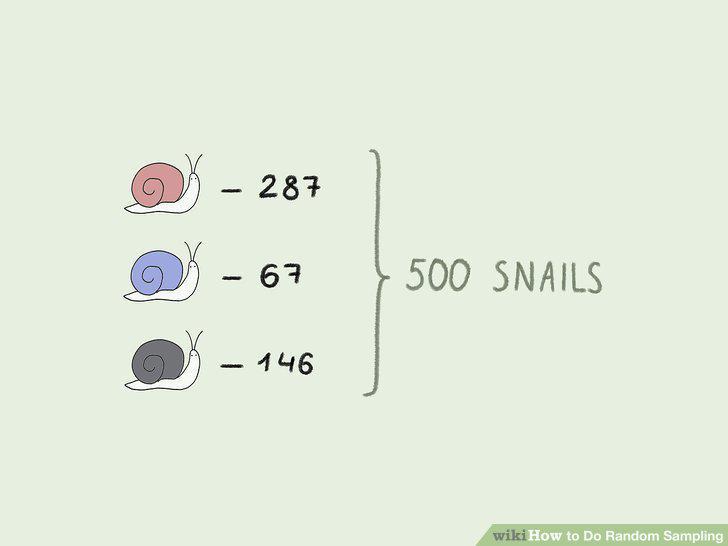
Divide your population into strata by shared characteristics.
Decide on your desired sample size for each stratum.
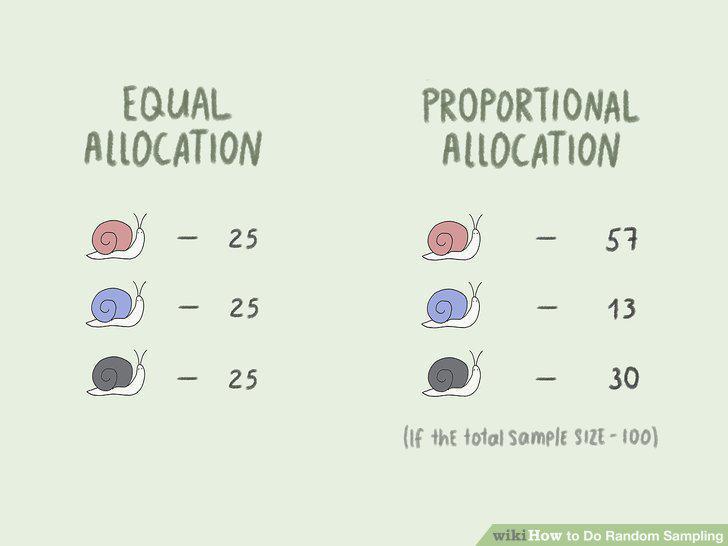
Decide on your desired sample size for each stratum.
Take a random sample from each stratum.
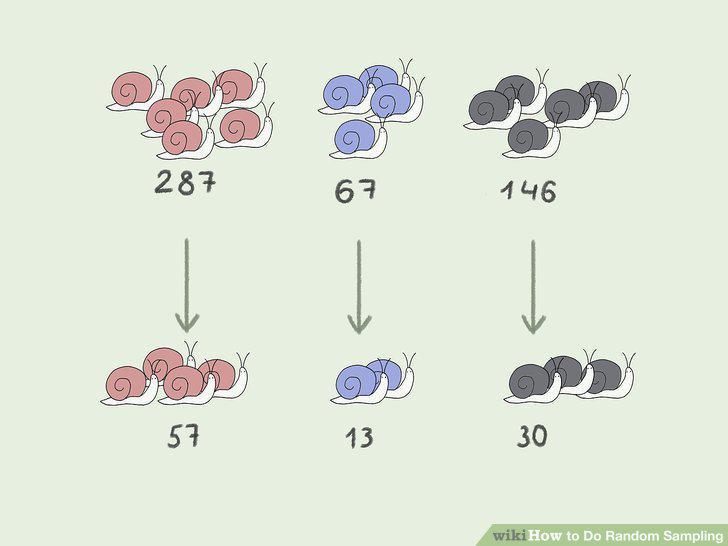
Take a random sample from each stratum.
Use random cluster sampling when other methods are impractical.
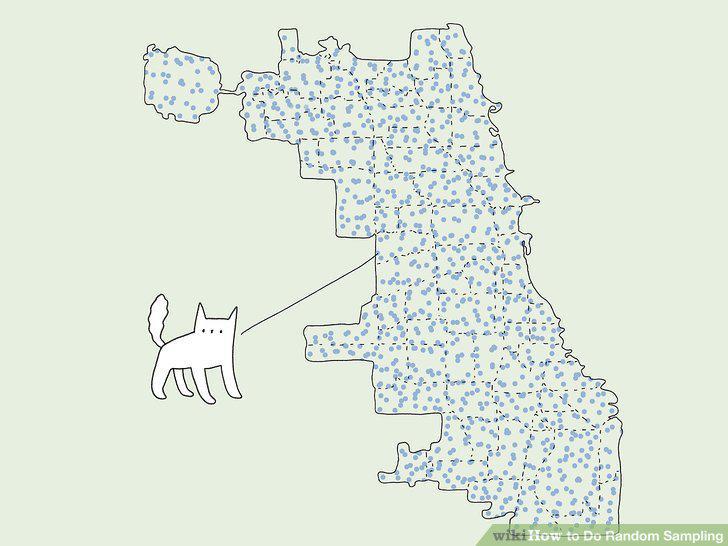
Use random cluster sampling when other methods are impractical.
Divide your population into several groups, called clusters.
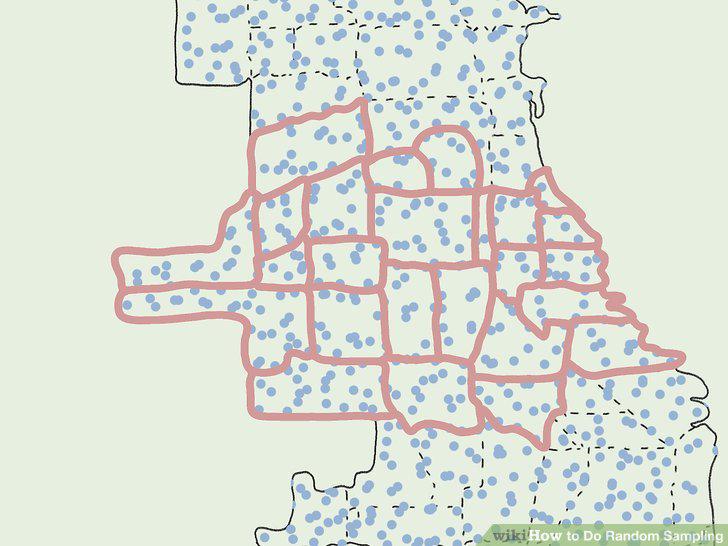
Divide your population into several groups, called clusters.
Take a random sample of the clusters.
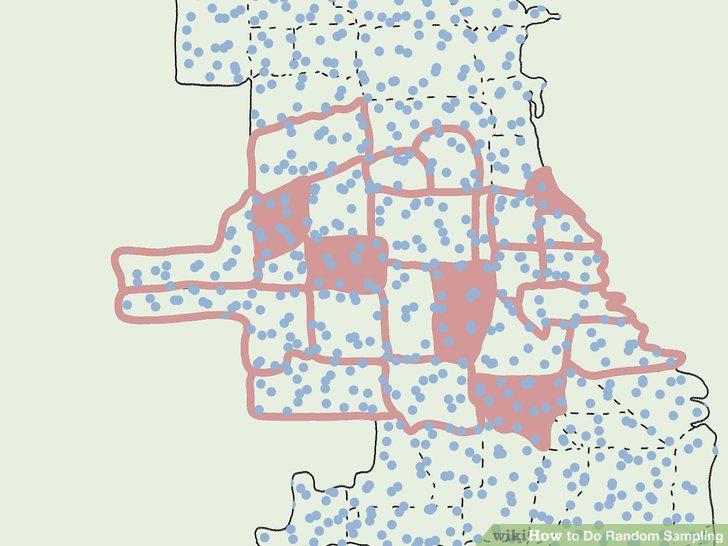
Take a random sample of the clusters.
Create your data set from every individual within each cluster.
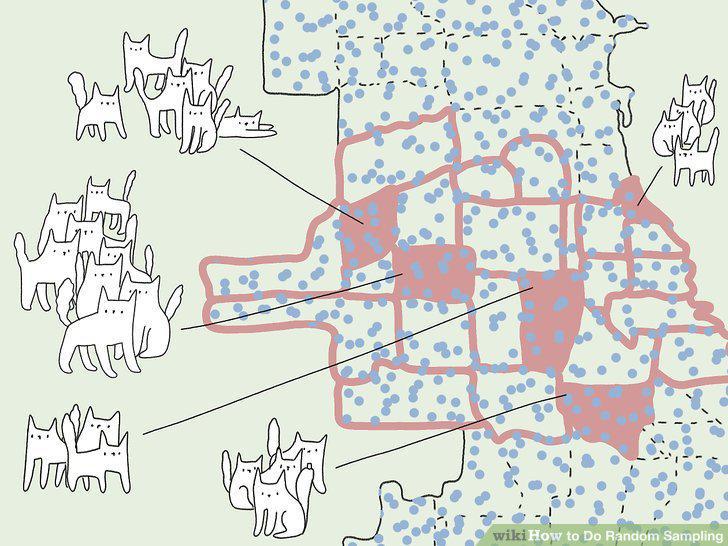
Create your data set from every individual within each cluster.
Comments (0)
No comments yet. Be the first to share your thoughts!