How to Care for a Bleeding Heart
Pick a spot with partial shade that gets less than 6 hours of sun daily.. Mix loam, clay, or chalk into the soil to help it drain well.. Test the soil pH
Steps
Pick a spot with partial shade that gets less than 6 hours of sun daily.
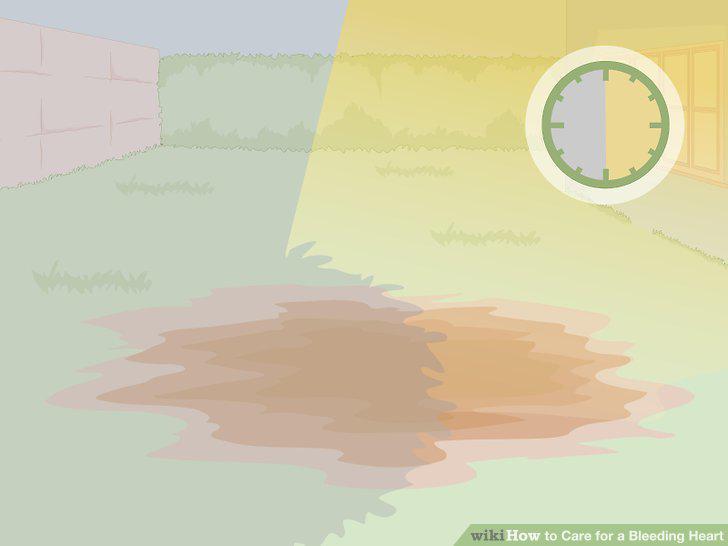
Pick a spot with partial shade that gets less than 6 hours of sun daily.
Mix loam, clay, or chalk into the soil to help it drain well.
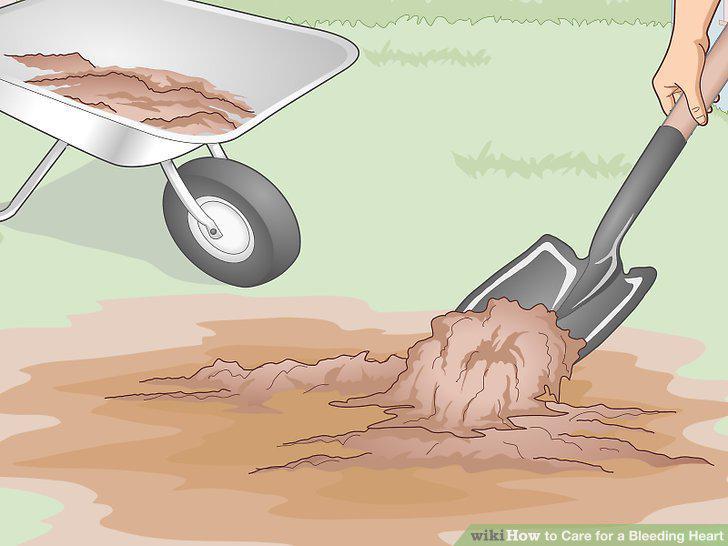
Mix loam, clay, or chalk into the soil to help it drain well.
Test the soil pH
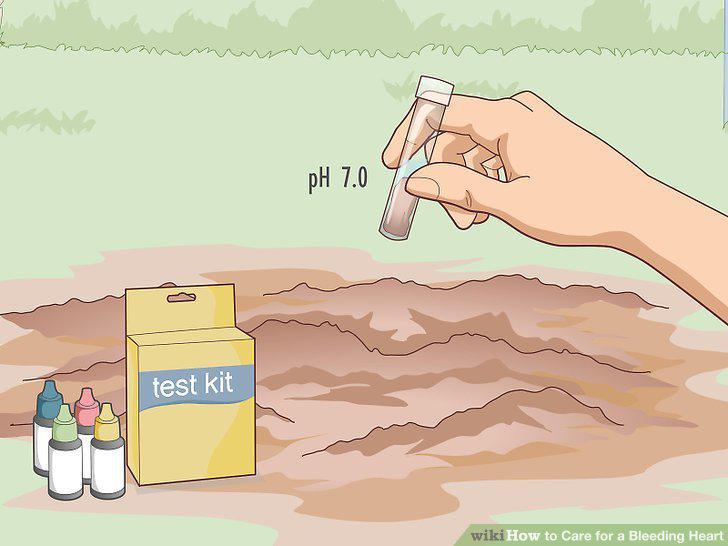
Test the soil pH
Pick a soil with loam, clay, or chalk so it's well-draining.
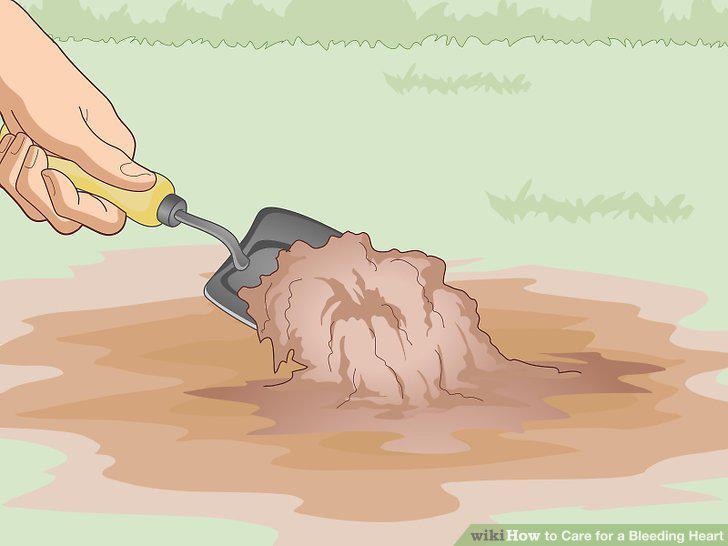
Pick a soil with loam, clay, or chalk so it's well-draining.
Pot your bleeding heart in a plantar that's a little bigger than your plant.
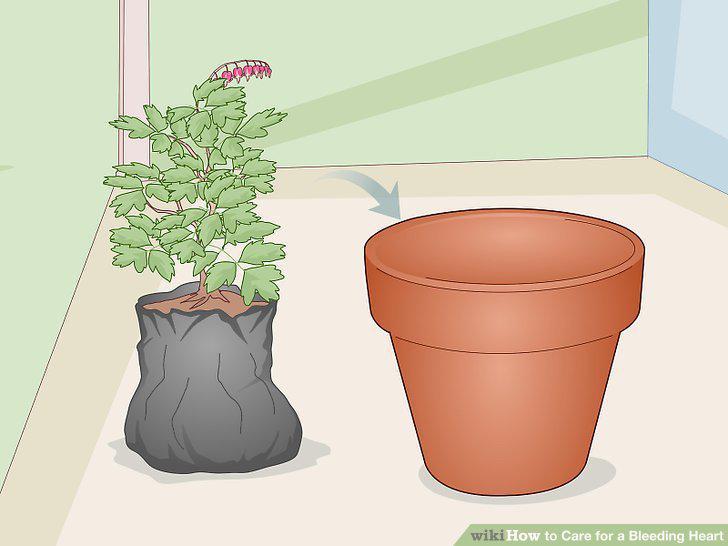
Pot your bleeding heart in a plantar that's a little bigger than your plant.
Add compost to the top layer of soil to add more nutrients for your plant.
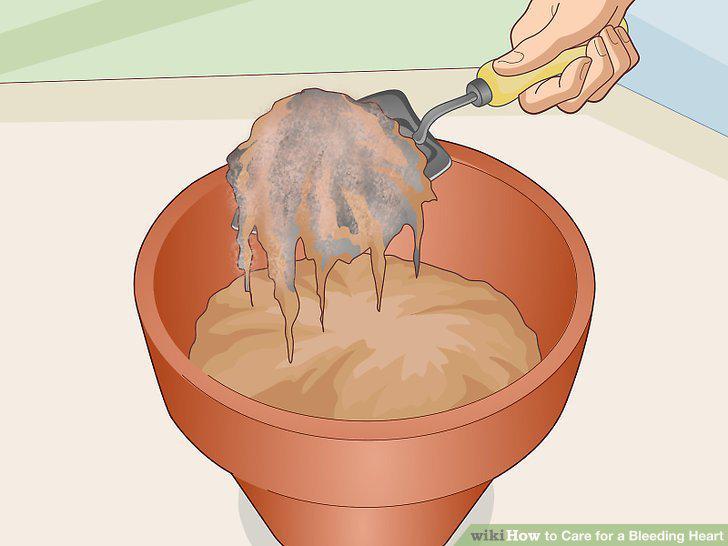
Add compost to the top layer of soil to add more nutrients for your plant.
Put your plant is a bright spot with shade.
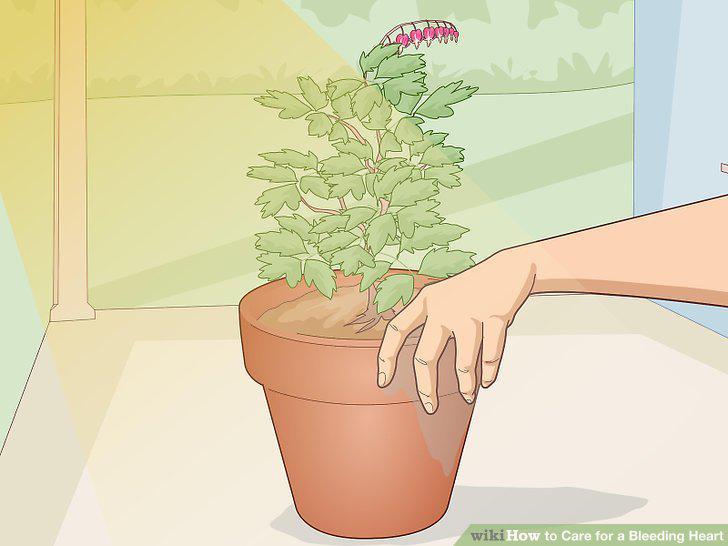
Put your plant is a bright spot with shade.
Give your indoor plant good air circulation and ventilation.
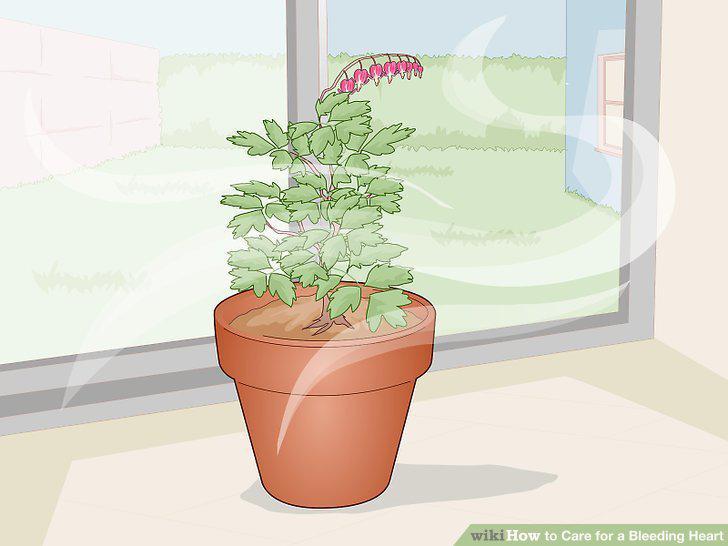
Give your indoor plant good air circulation and ventilation.
Check the soil every day to make sure it feels damp.
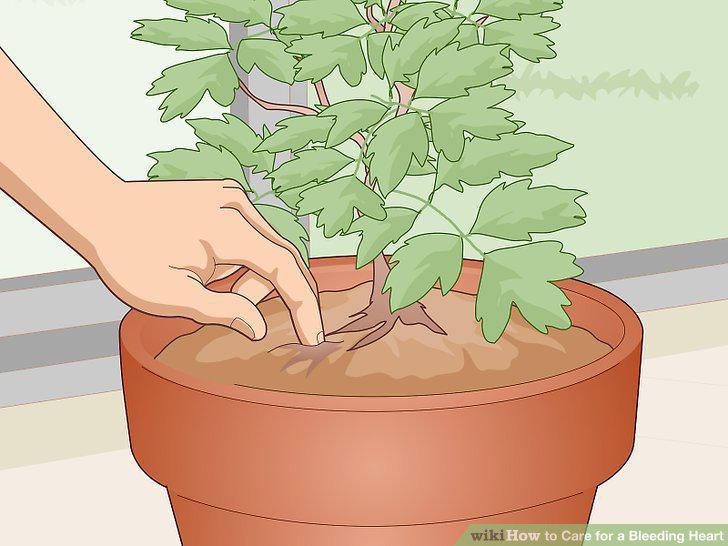
Check the soil every day to make sure it feels damp.
Water your bleeding heart when the soil starts to dry out.
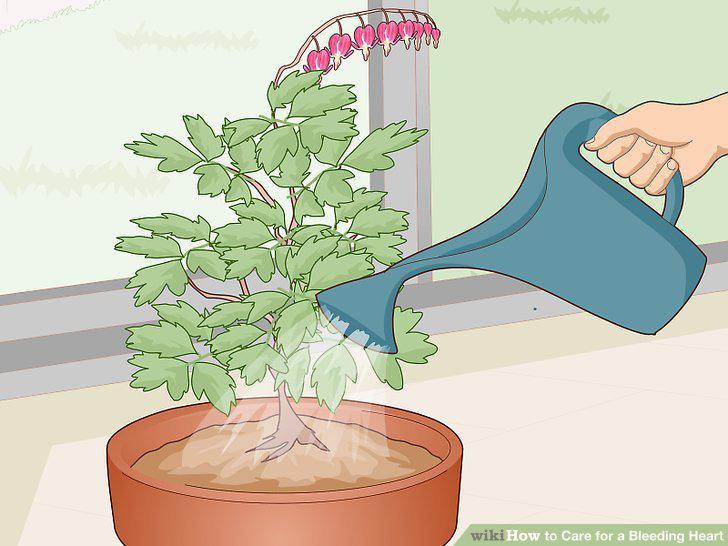
Water your bleeding heart when the soil starts to dry out.
Mist an indoor bleeding heart daily during spring and summer.
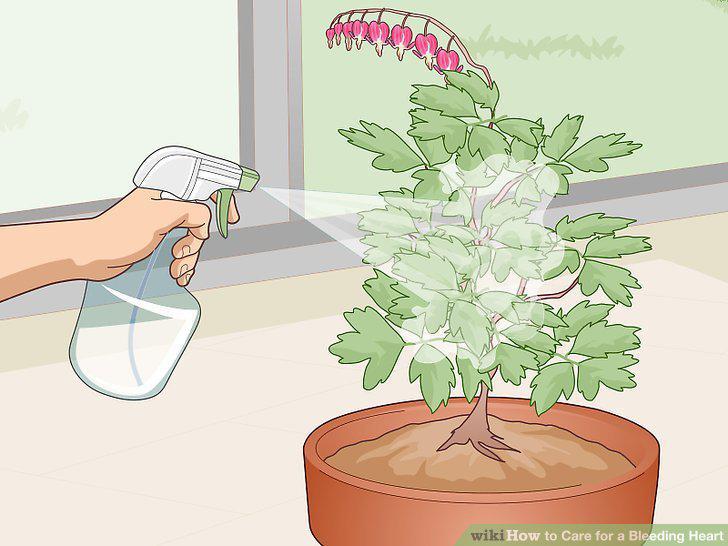
Mist an indoor bleeding heart daily during spring and summer.
Fertilize your plant every 2 weeks at 1/2 the recommended amount.
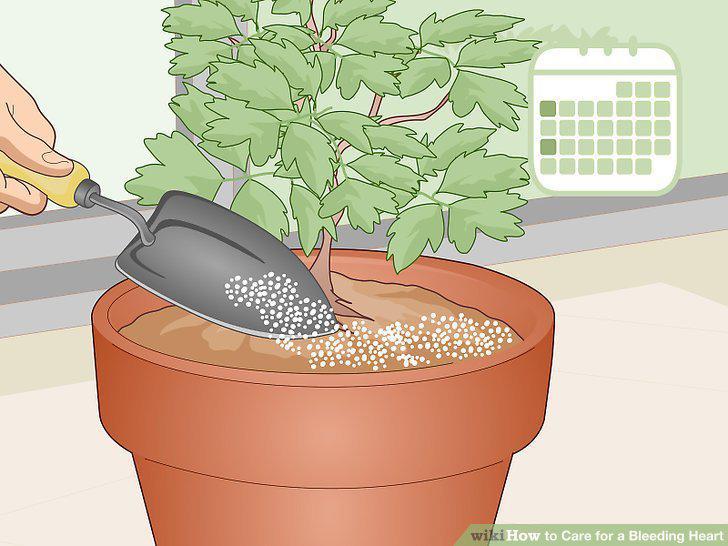
Fertilize your plant every 2 weeks at 1/2 the recommended amount.
Adjust watering or sun exposure if the leaves turn yellow before summer.
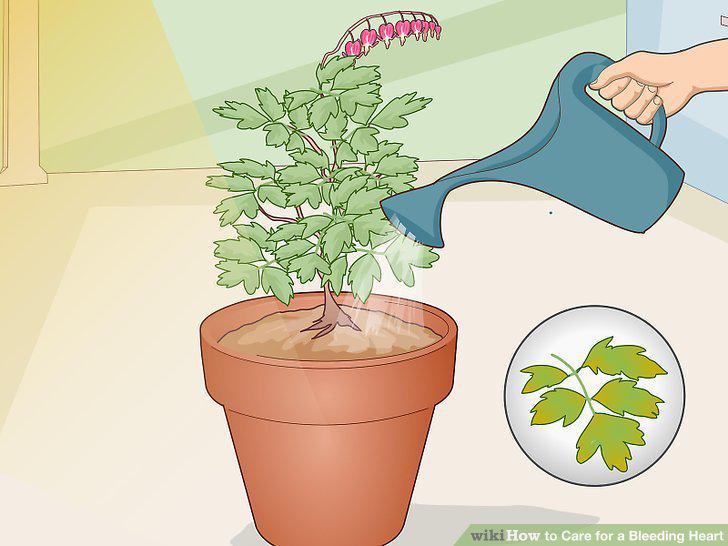
Adjust watering or sun exposure if the leaves turn yellow before summer.
Spray the plant with insecticidal soap if you see insects on it.
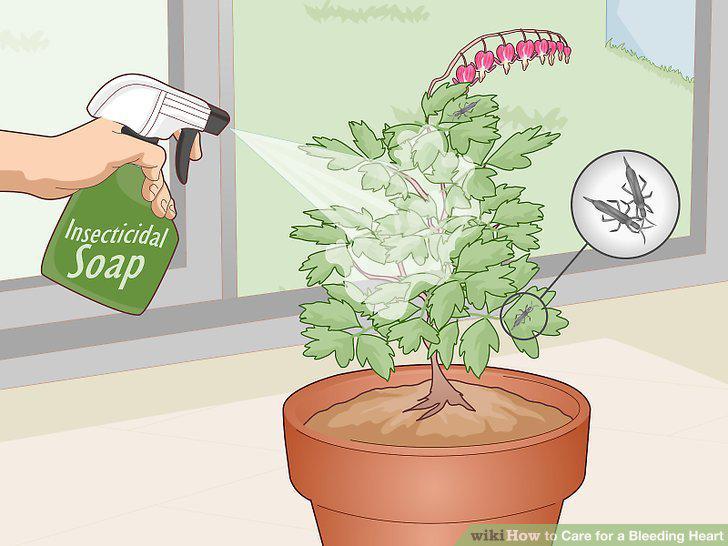
Spray the plant with insecticidal soap if you see insects on it.
Prune your bleeding heart in late-fall when the growing season is over.
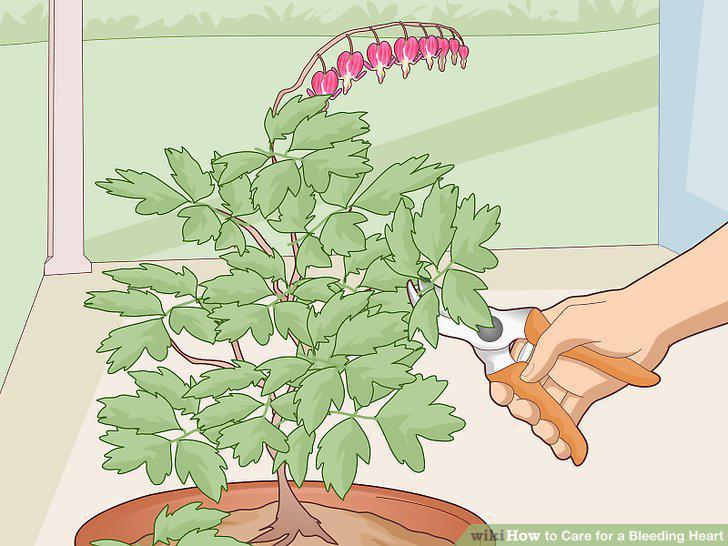
Prune your bleeding heart in late-fall when the growing season is over.
Place an indoor plant in a cool, dark space during fall and winter.
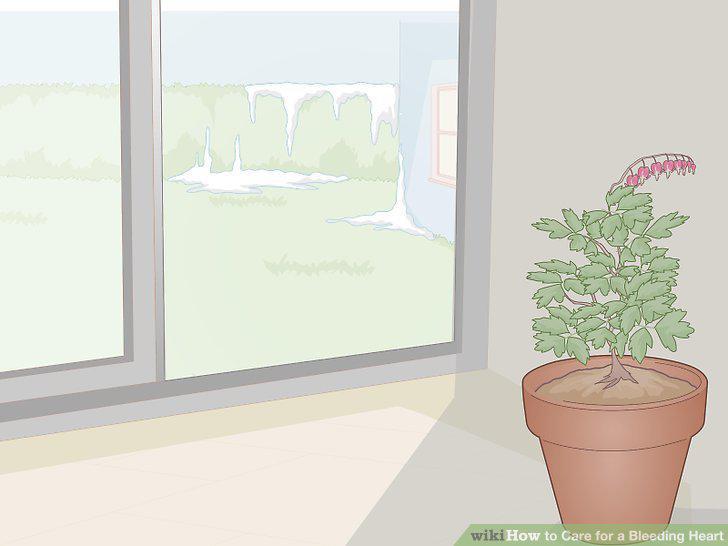
Place an indoor plant in a cool, dark space during fall and winter.
Water a dormant bleeding heart only when the soil is dry.
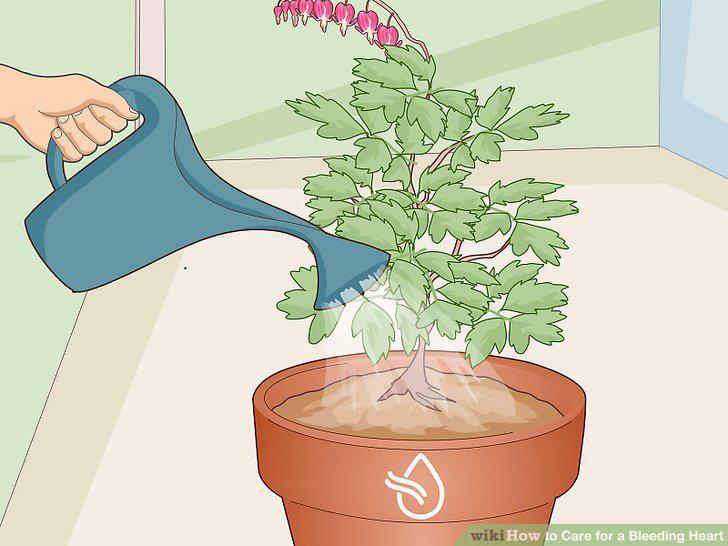
Water a dormant bleeding heart only when the soil is dry.
Stop fertilizing your plant during the fall and winter months.
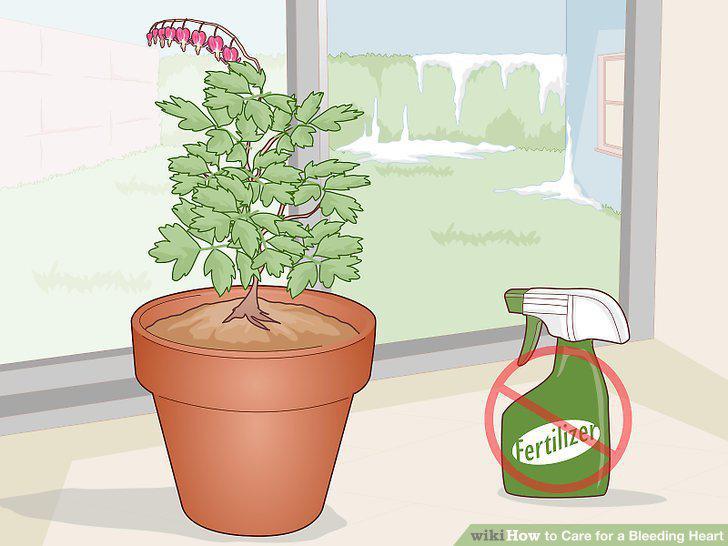
Stop fertilizing your plant during the fall and winter months.
Repot your bleeding heart
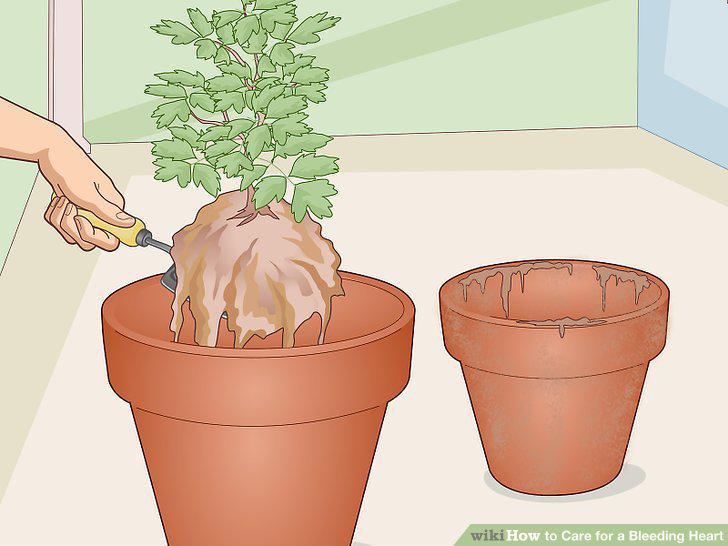
Repot your bleeding heart
Comments (0)
No comments yet. Be the first to share your thoughts!