How to Use a Rivet Gun
Opt for blind rivets instead of solid rivets.. Select multi-grip rivets for situations that require high-strength fastening.. Purchase sealed rivets when you need a tight seal that resists leaking.
Steps
Opt for blind rivets instead of solid rivets.
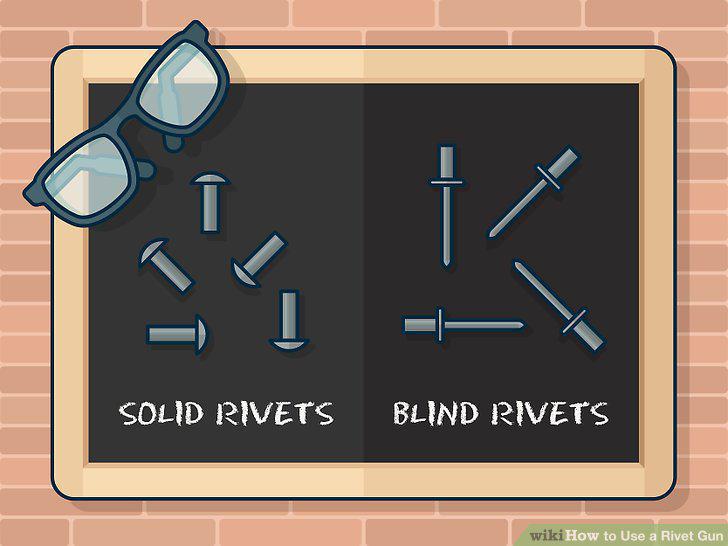
Opt for blind rivets instead of solid rivets.
Select multi-grip rivets for situations that require high-strength fastening.
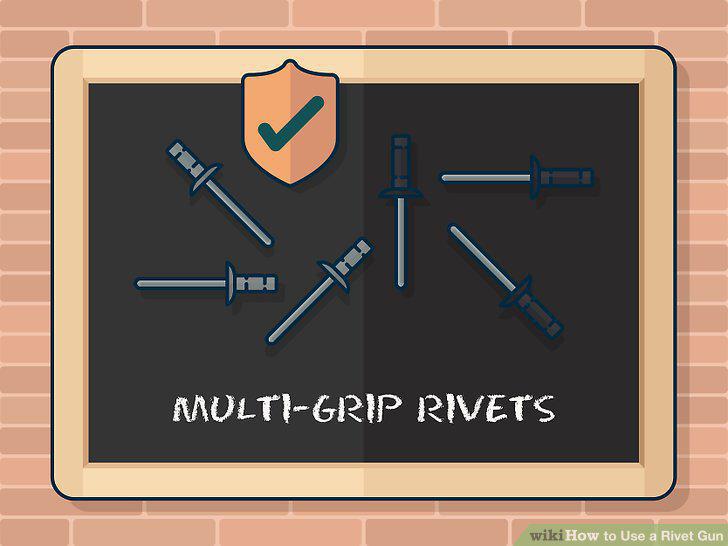
Select multi-grip rivets for situations that require high-strength fastening.
Purchase sealed rivets when you need a tight seal that resists leaking.
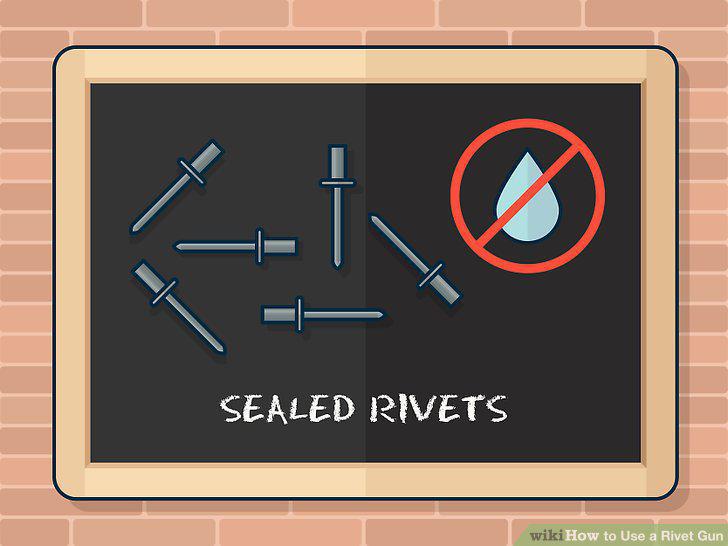
Purchase sealed rivets when you need a tight seal that resists leaking.
Select interlock rivets for situations that require high-strength fastening.
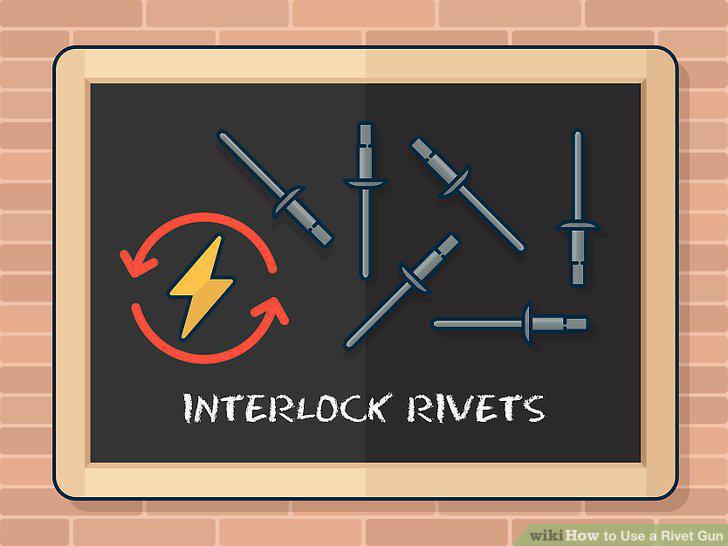
Select interlock rivets for situations that require high-strength fastening.
Purchase dome head rivets for standard materials and situations.
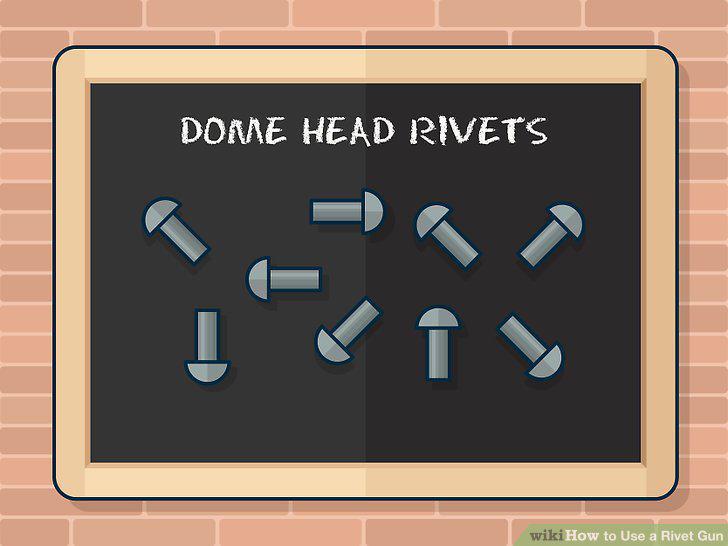
Purchase dome head rivets for standard materials and situations.
Opt for flat head rivets to ensure a flush, tight fit.
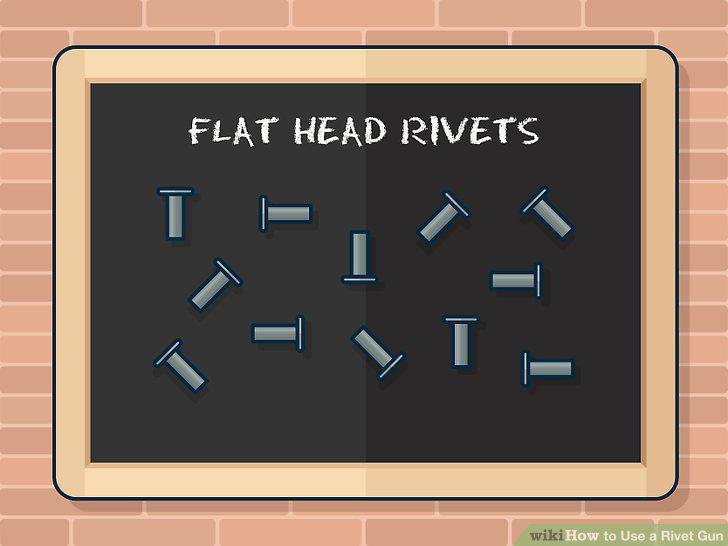
Opt for flat head rivets to ensure a flush, tight fit.
Select a rivet made from the same material as the metal you're joining.
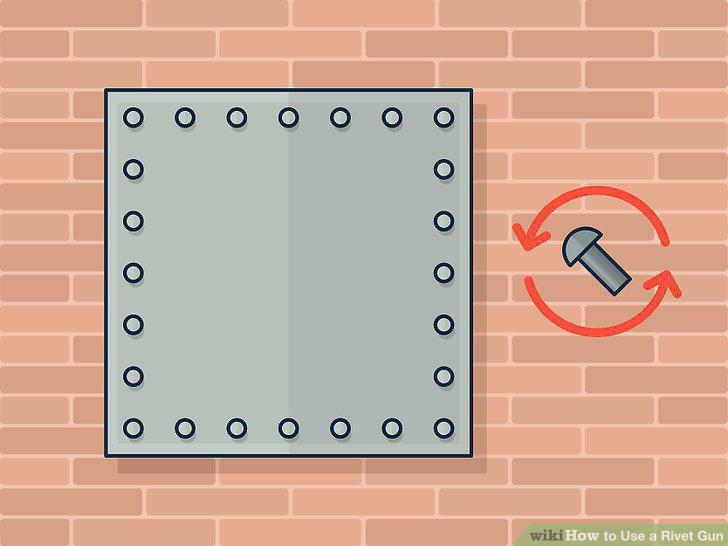
Select a rivet made from the same material as the metal you're joining.
Drill a rivet hole using a standard twist drill.
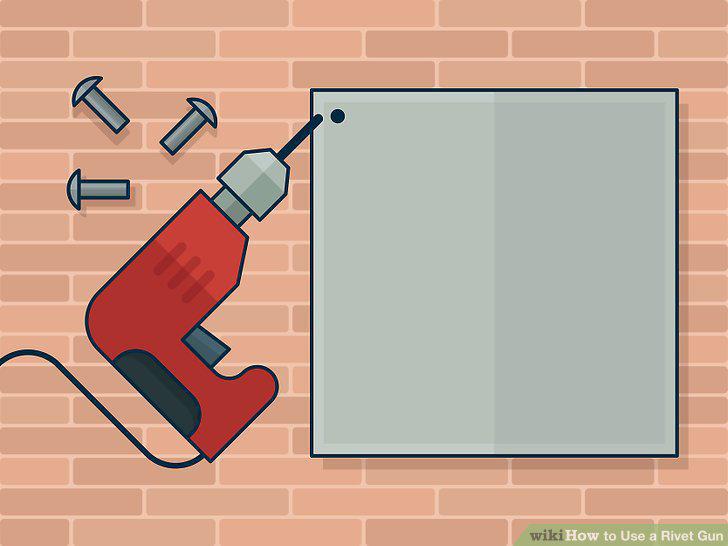
Drill a rivet hole using a standard twist drill.
Select a rivet size suitable for your materials.
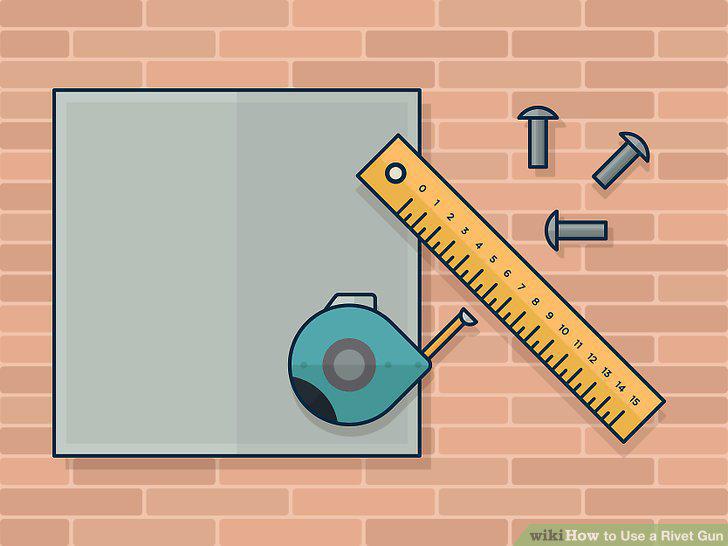
Select a rivet size suitable for your materials.
Attach the proper nozzle attachment tip based on your rivet size.
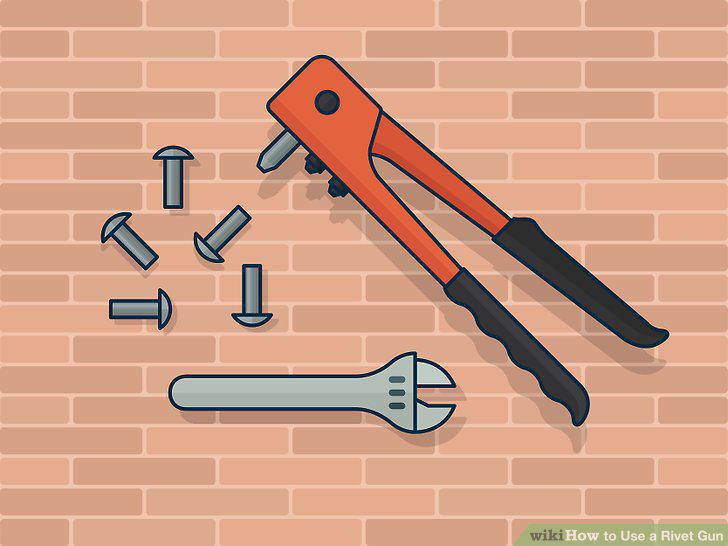
Attach the proper nozzle attachment tip based on your rivet size.
Slide the rivet long-side first into the nozzle of your gun.
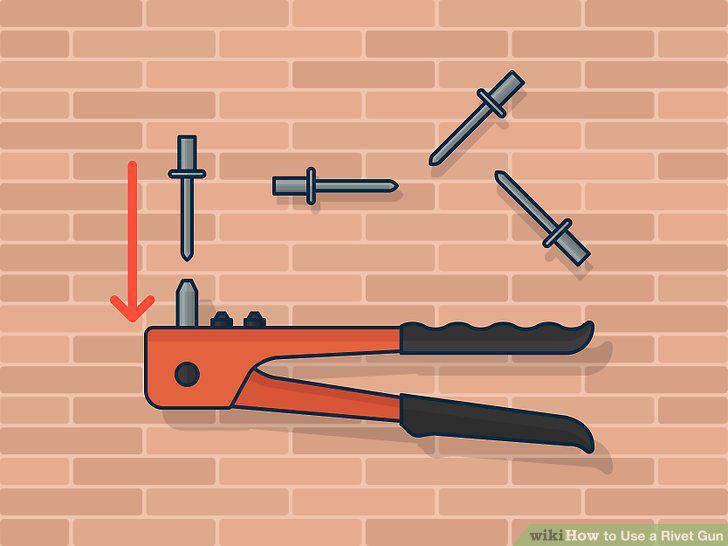
Slide the rivet long-side first into the nozzle of your gun.
Place the rivet through both materials and press the gun against it.
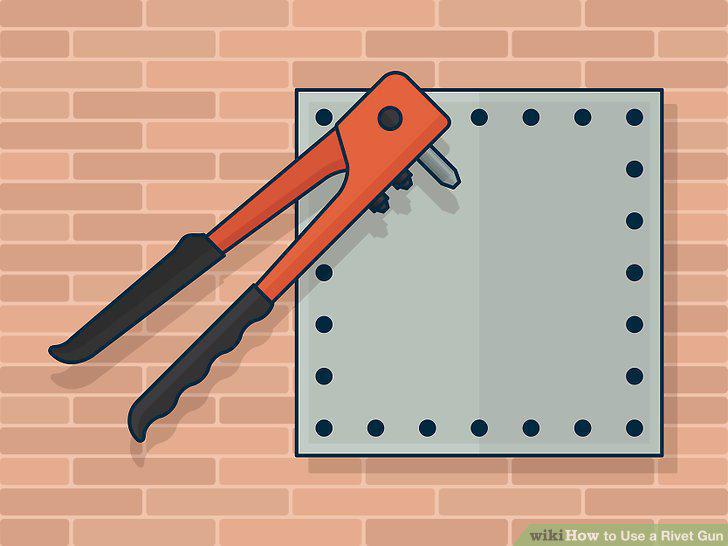
Place the rivet through both materials and press the gun against it.
Squeeze the handle trigger of the gun until the rivet attaches.
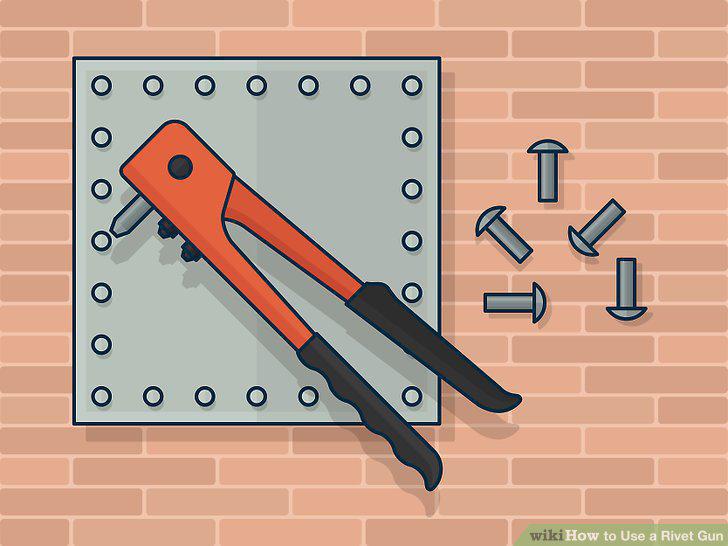
Squeeze the handle trigger of the gun until the rivet attaches.
Drill a hole for your rivet with a standard twist drill.
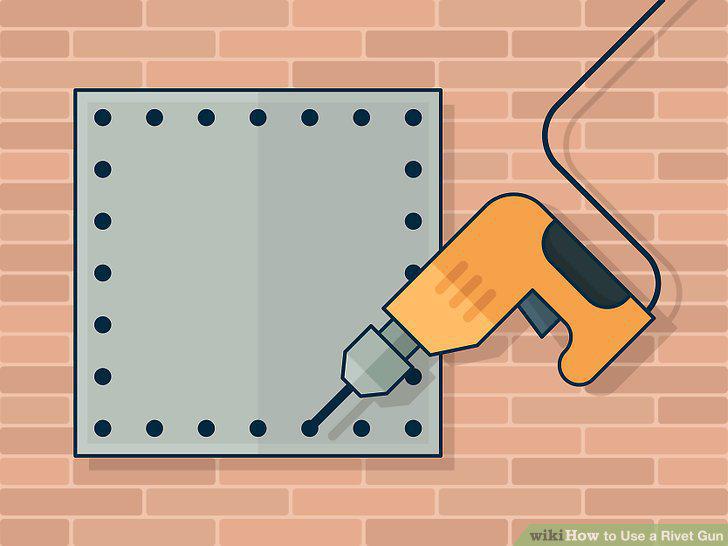
Drill a hole for your rivet with a standard twist drill.
Purchase solid rivets that match the size of the drill hole.
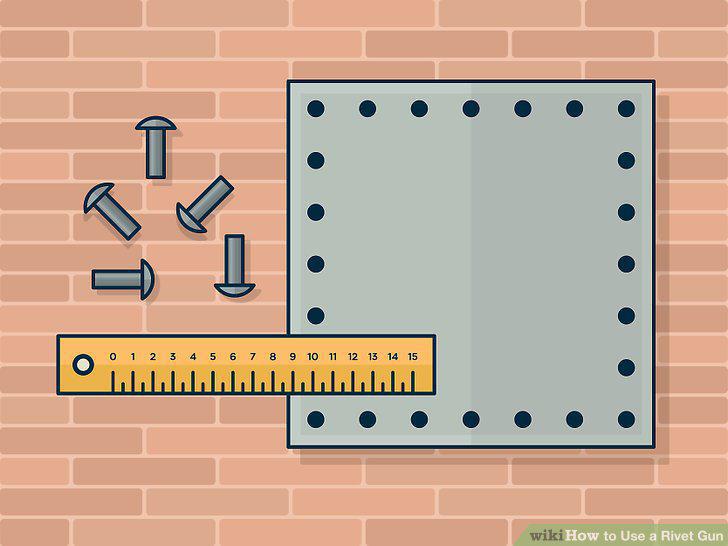
Purchase solid rivets that match the size of the drill hole.
Opt for a slow-hitting gun for medium-sized rivets.
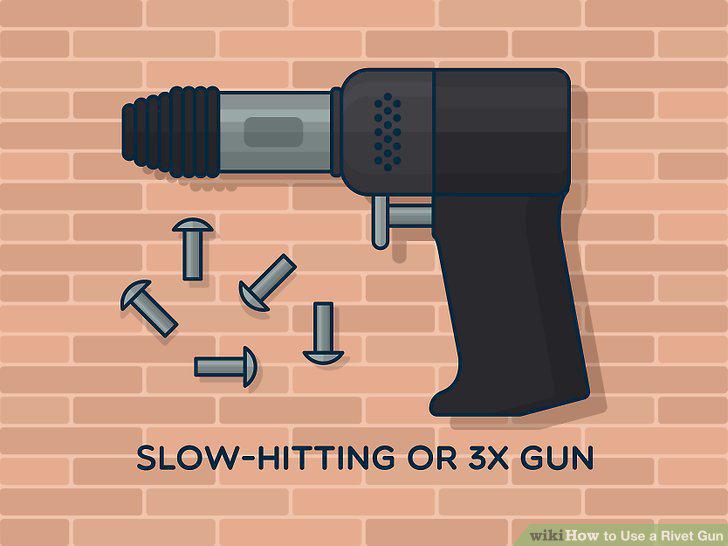
Opt for a slow-hitting gun for medium-sized rivets.
Select a fast-hitting gun when using soft rivets.
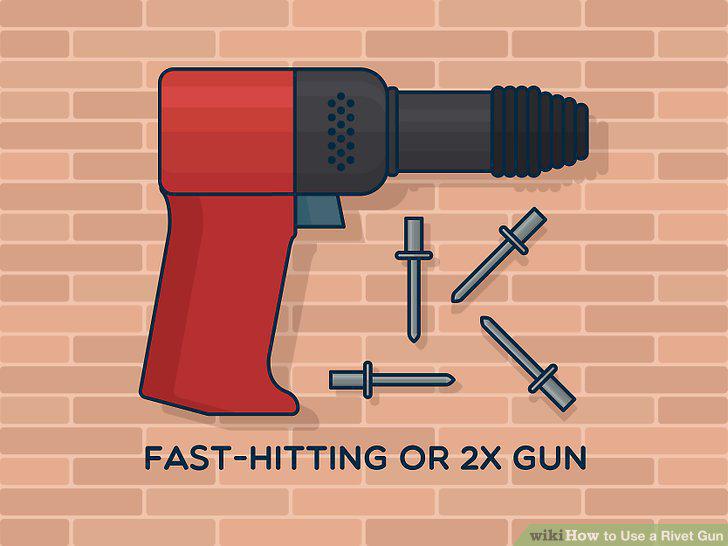
Select a fast-hitting gun when using soft rivets.
Purchase a one-shot gun if you're working with heavy-gauge metals.
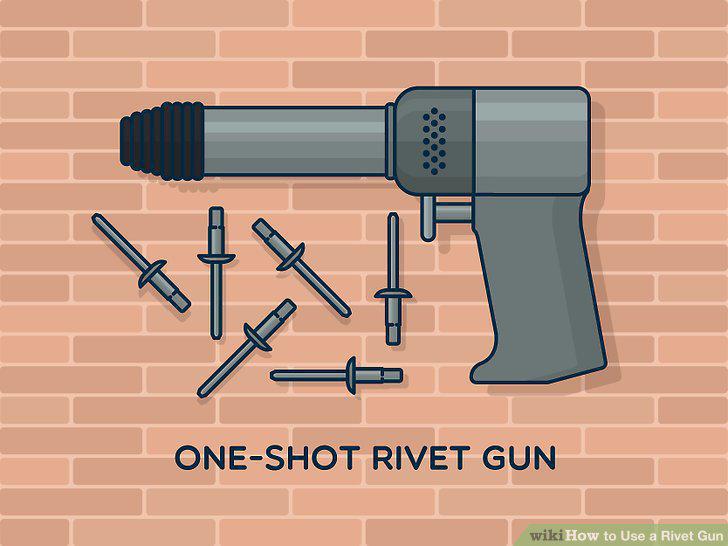
Purchase a one-shot gun if you're working with heavy-gauge metals.
Set your rivet gun's air pressure to match your rivet size.
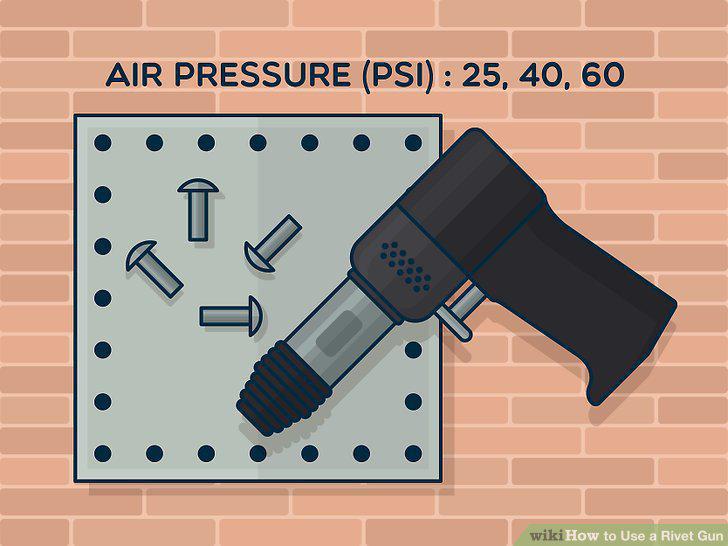
Set your rivet gun's air pressure to match your rivet size.
Attach a cup set that matches your rivet.
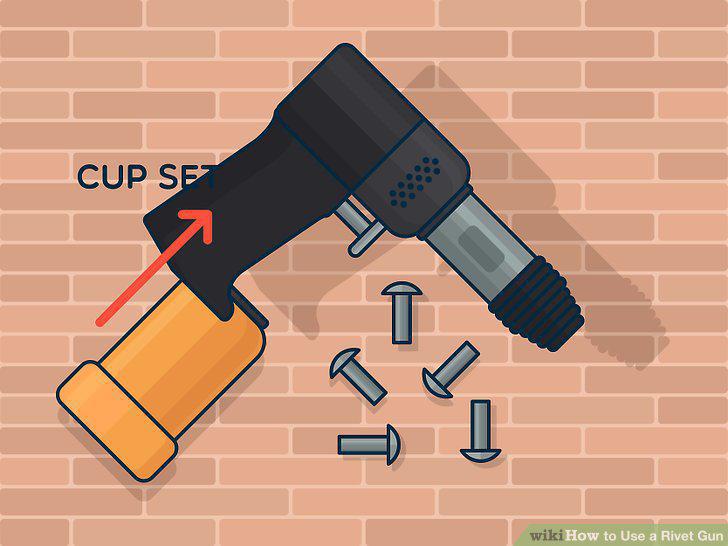
Attach a cup set that matches your rivet.
Insert the rivet through its hole and hold it in place with the tip of the cup s
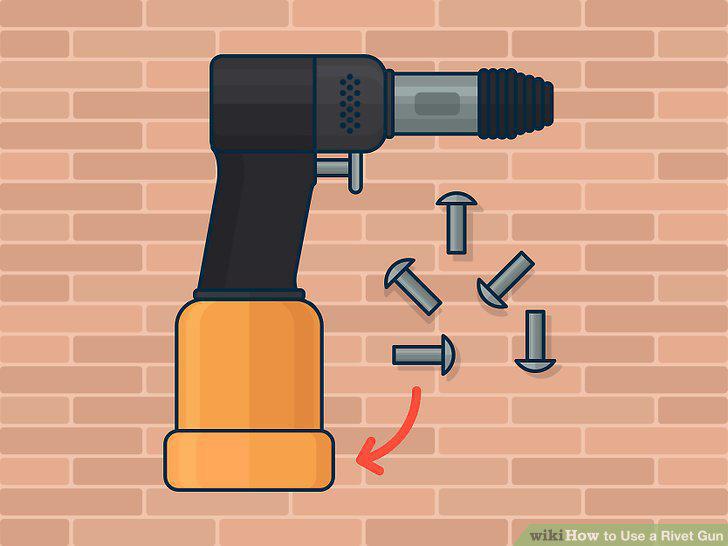
Insert the rivet through its hole and hold it in place with the tip of the cup set.
Hold a bucking bar against the shop head of the rivet to absorb impact.
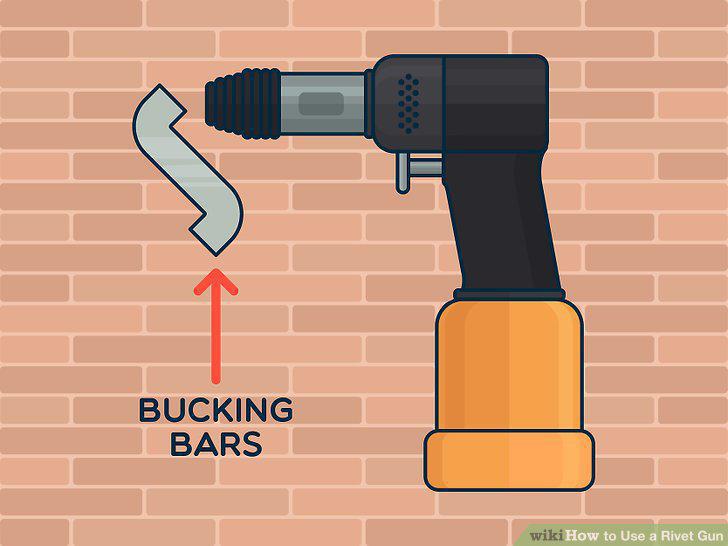
Hold a bucking bar against the shop head of the rivet to absorb impact.
Engage the gun squarely with the rivet head and squeeze the trigger.
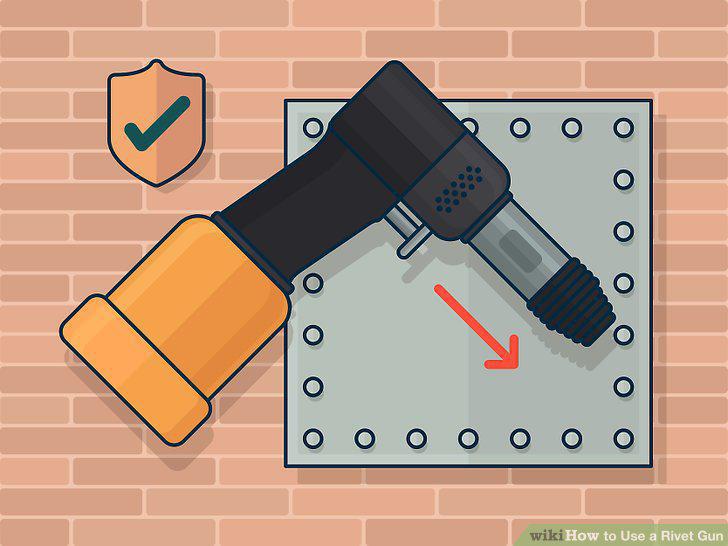
Engage the gun squarely with the rivet head and squeeze the trigger.
Comments (0)
No comments yet. Be the first to share your thoughts!