How to Use a Chisel
Use a beveled-edge chisel if you need to remove wood from a flat surface.. Choose a firmer chisel if you need to work down into a pocket of wood.. Secure the wood you are chiseling.
Steps
Use a beveled-edge chisel if you need to remove wood from a flat surface.
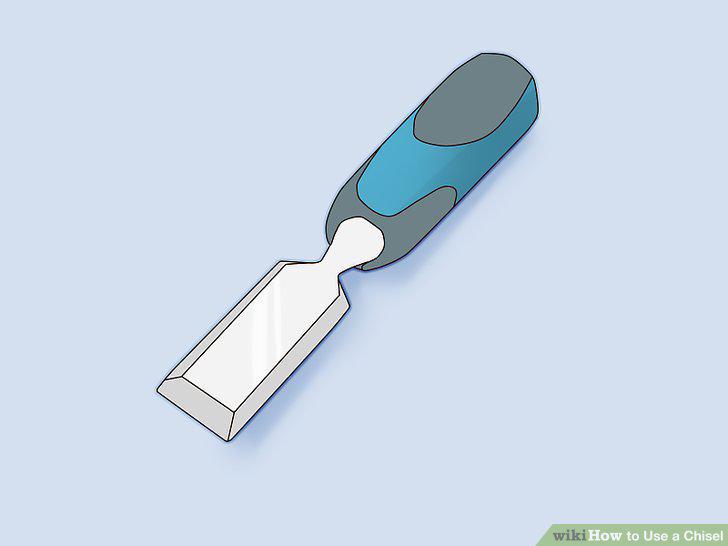
Use a beveled-edge chisel if you need to remove wood from a flat surface.
Choose a firmer chisel if you need to work down into a pocket of wood.
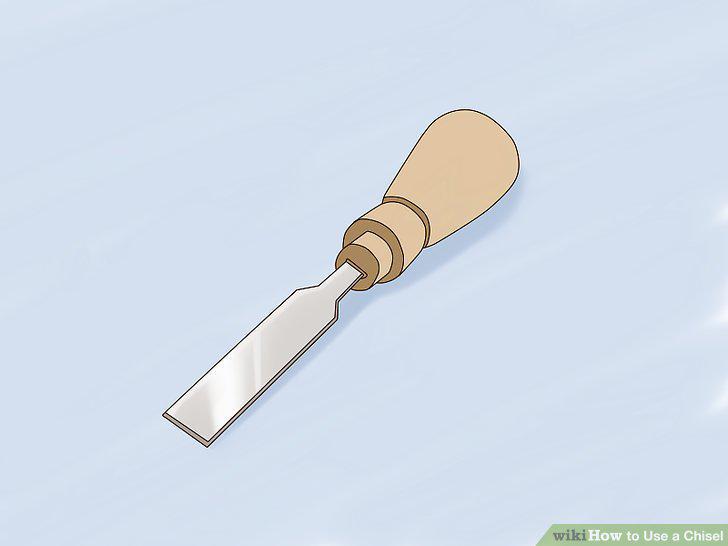
Choose a firmer chisel if you need to work down into a pocket of wood.
Secure the wood you are chiseling.
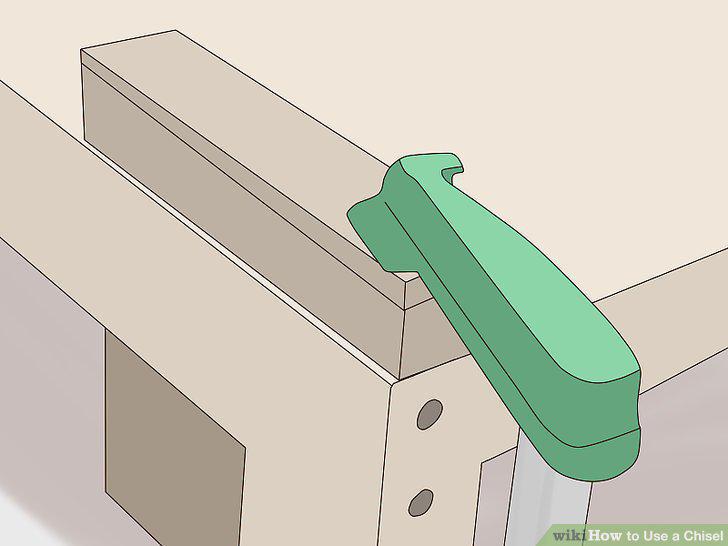
Secure the wood you are chiseling.
Position the flat side of the chisel flush against the wood.
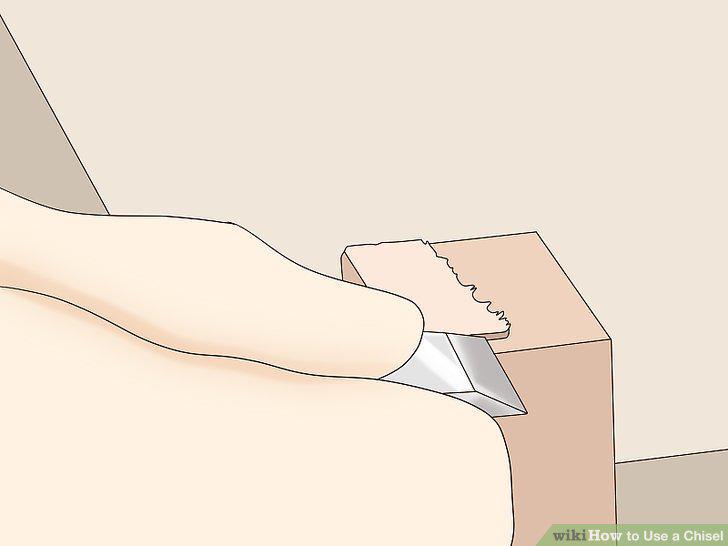
Position the flat side of the chisel flush against the wood.
Use a mallet or hammer to drive the chisel through thick areas.
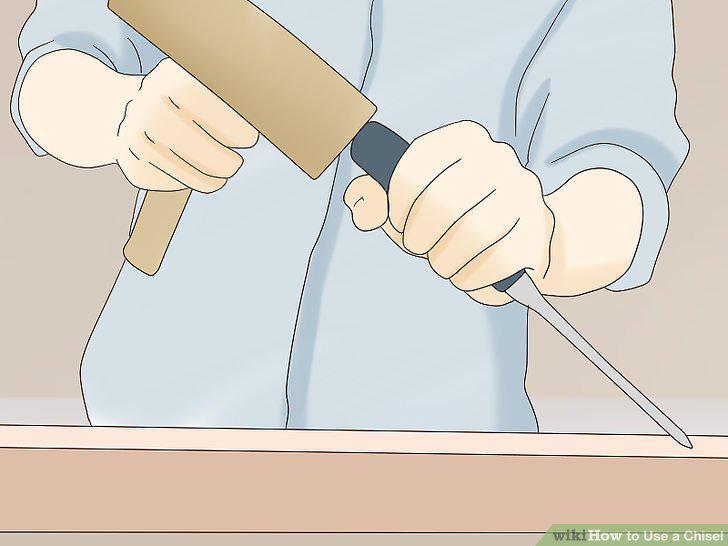
Use a mallet or hammer to drive the chisel through thick areas.
Push the chisel through thin sections of wood by hand.
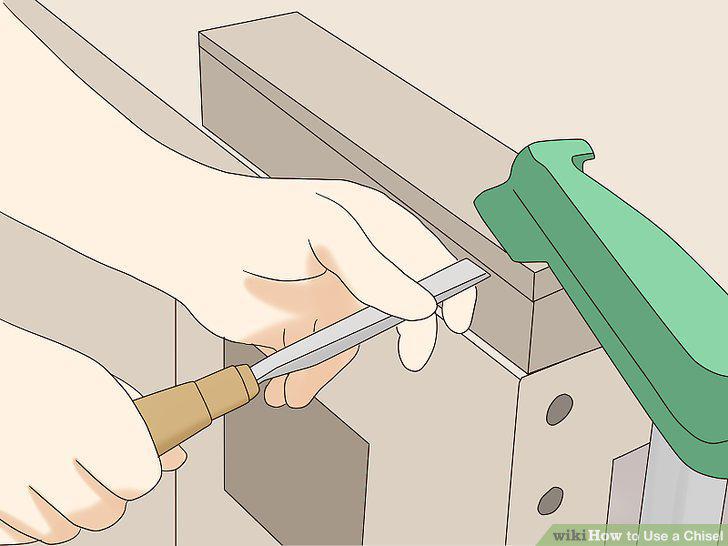
Push the chisel through thin sections of wood by hand.
Pick a paring chisel for fine, detailed woodwork.
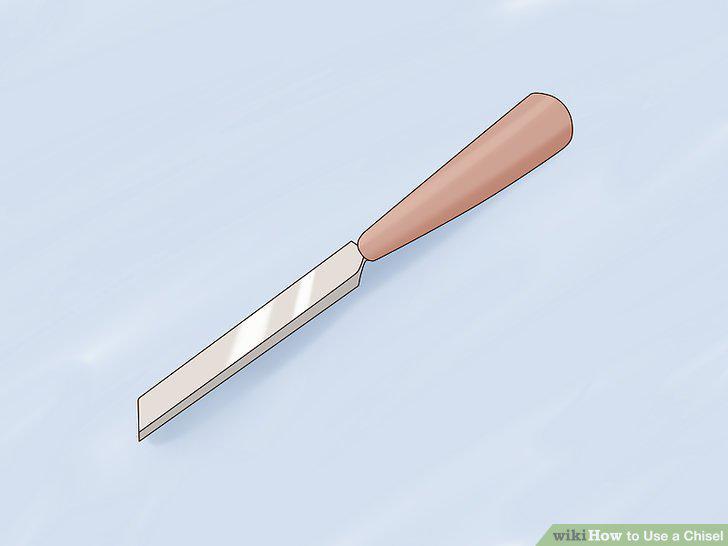
Pick a paring chisel for fine, detailed woodwork.
Secure the woodwork firmly on your workbench or in your vise.
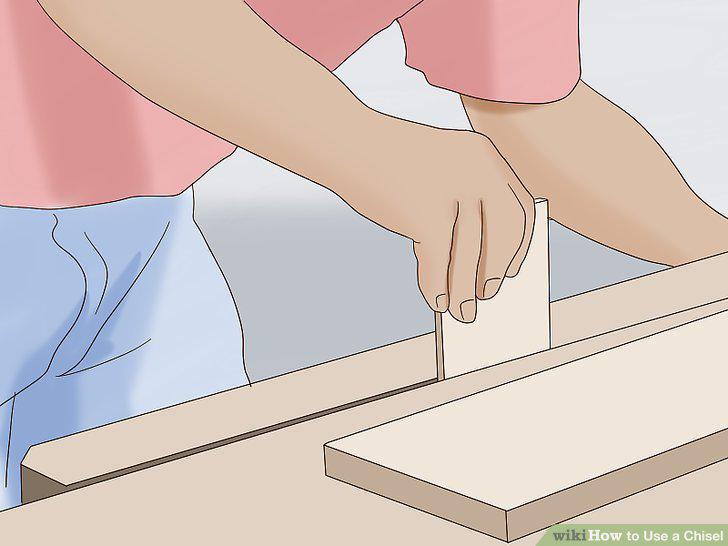
Secure the woodwork firmly on your workbench or in your vise.
Place one hand on the chisel's blade and one on the handle.
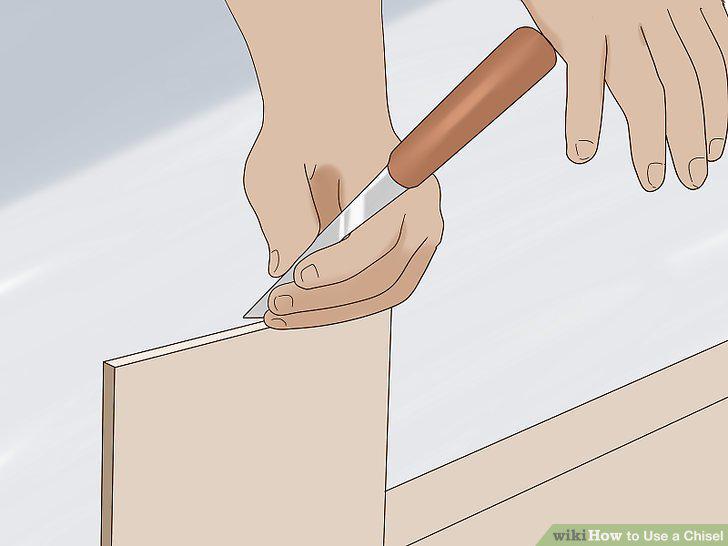
Place one hand on the chisel's blade and one on the handle.
Keep the bottom of the chisel in contact with the wood as you move.
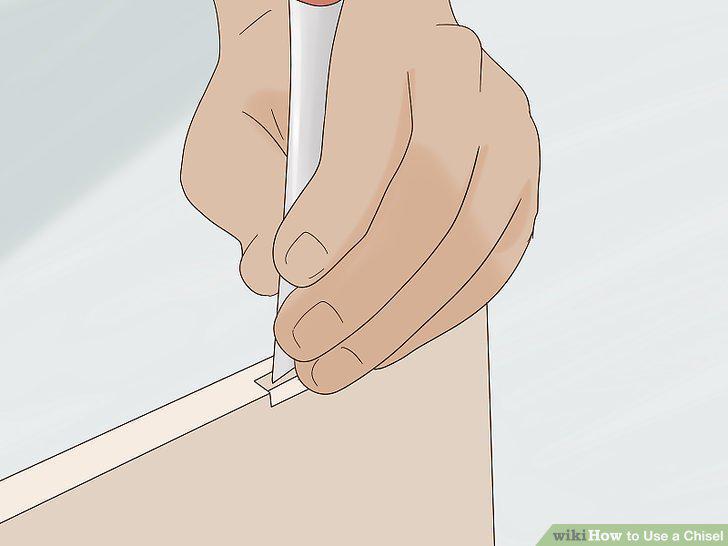
Keep the bottom of the chisel in contact with the wood as you move.
Repeat the cuts slowly until you have removed enough wood.
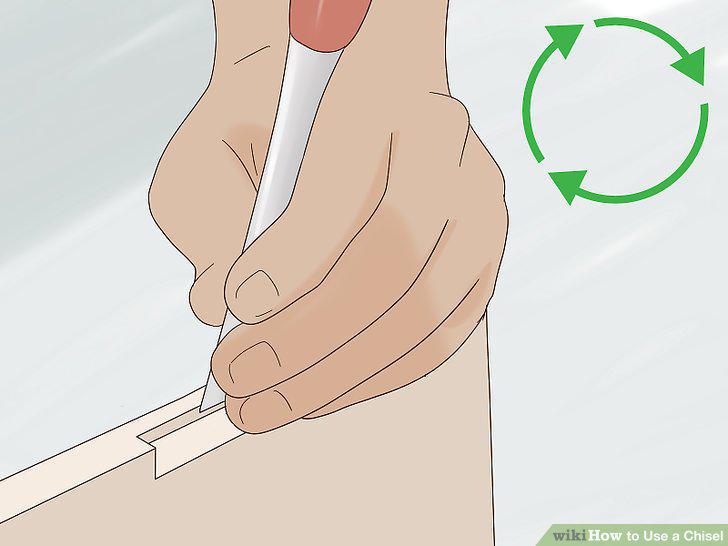
Repeat the cuts slowly until you have removed enough wood.
Use a gouge for fine woodwork, such as carving or sculpting.
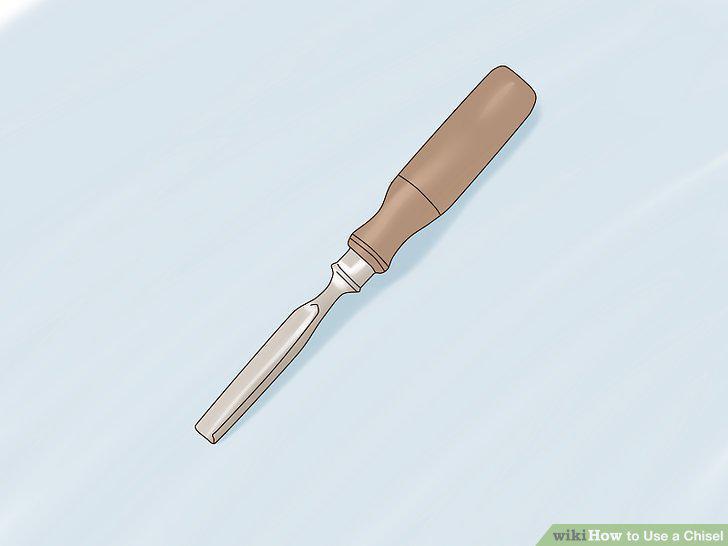
Use a gouge for fine woodwork, such as carving or sculpting.
Firmly attach your wood to a solid surface.
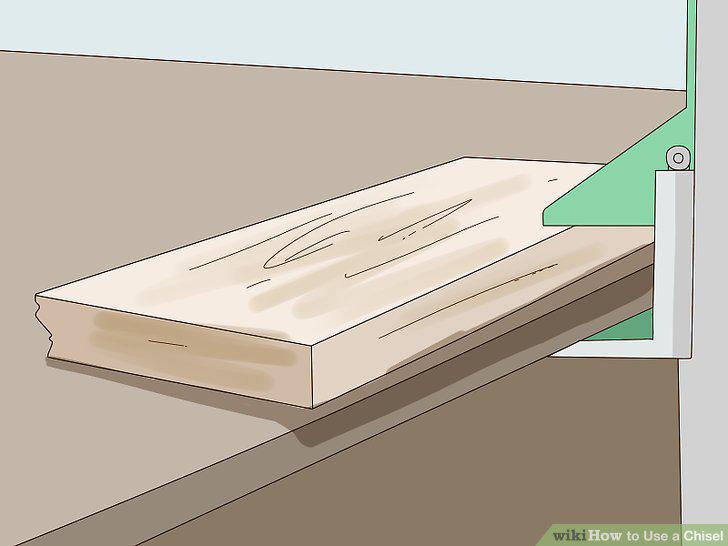
Firmly attach your wood to a solid surface.
Hold the gouge with both hands and push it though the wood.
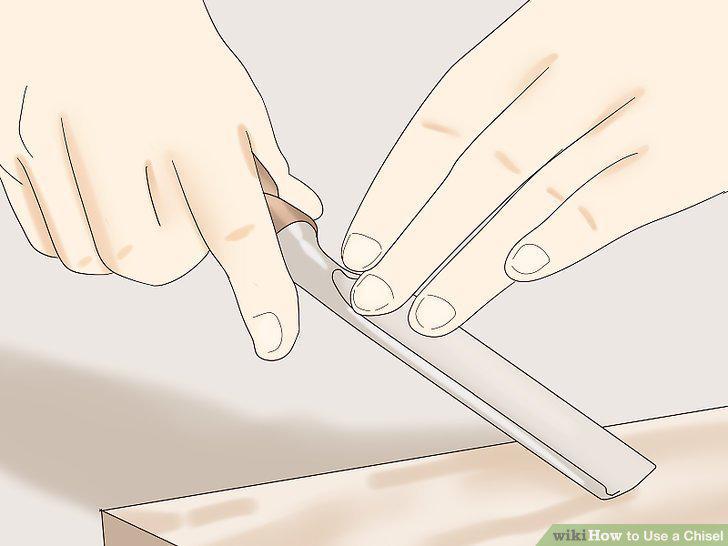
Hold the gouge with both hands and push it though the wood.
Push the gouge with the grain of the wood or across the end grain.
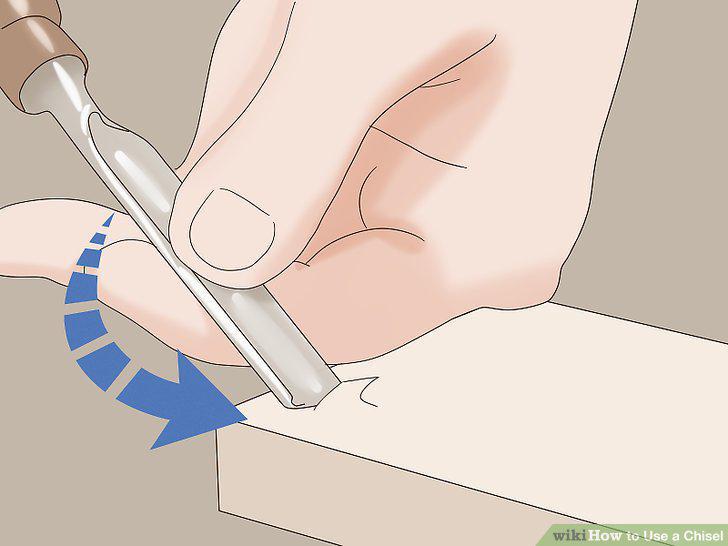
Push the gouge with the grain of the wood or across the end grain.
Raise, lower, or turn the handle to achieve the desired effect.
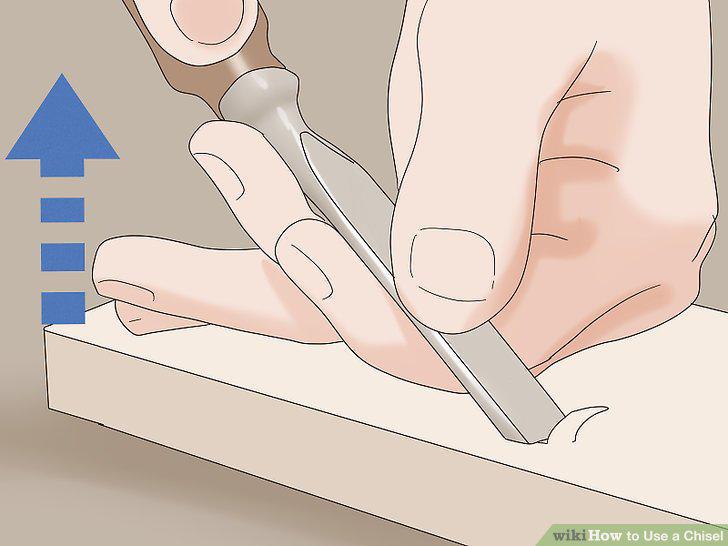
Raise, lower, or turn the handle to achieve the desired effect.
Pick the right masonry chisel to score, trim, or shape brick or stone.
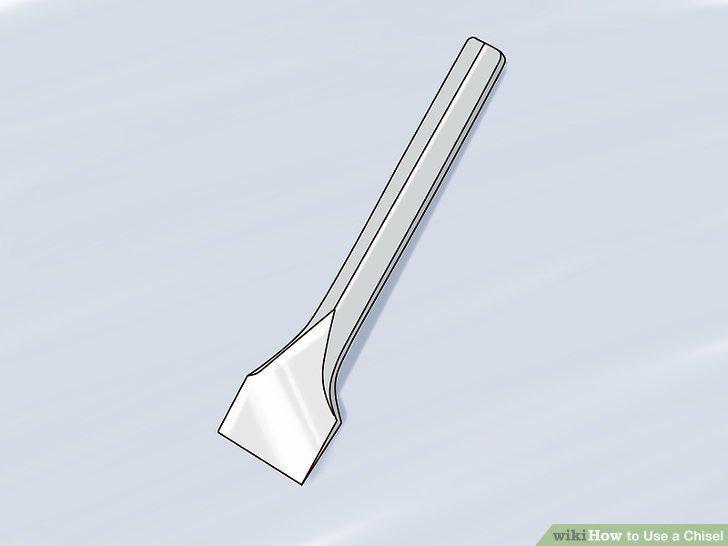
Pick the right masonry chisel to score, trim, or shape brick or stone.
Mark the stone clearly with paver's chalk or a dark pencil.
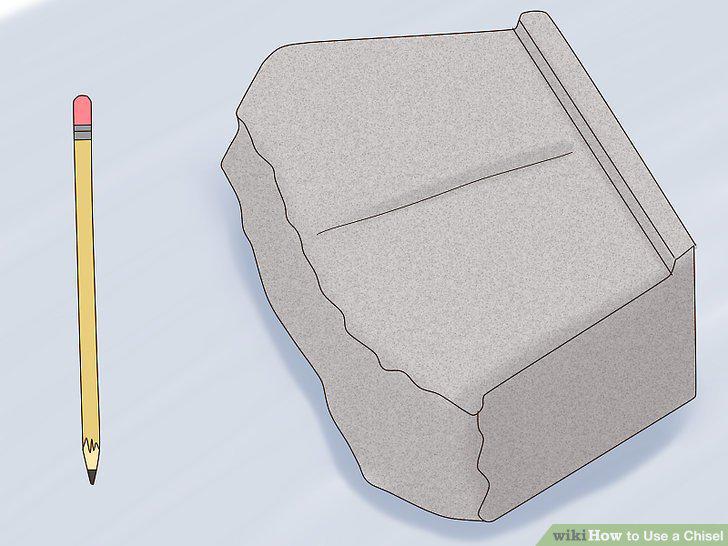
Mark the stone clearly with paver's chalk or a dark pencil.
Set the masonry chisel perpendicular to the surface you are chiseling.
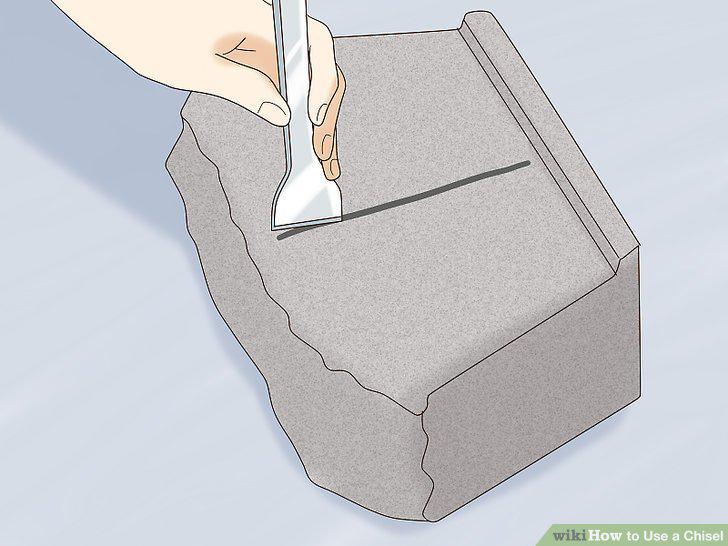
Set the masonry chisel perpendicular to the surface you are chiseling.
Make a score line along the brick or stone.
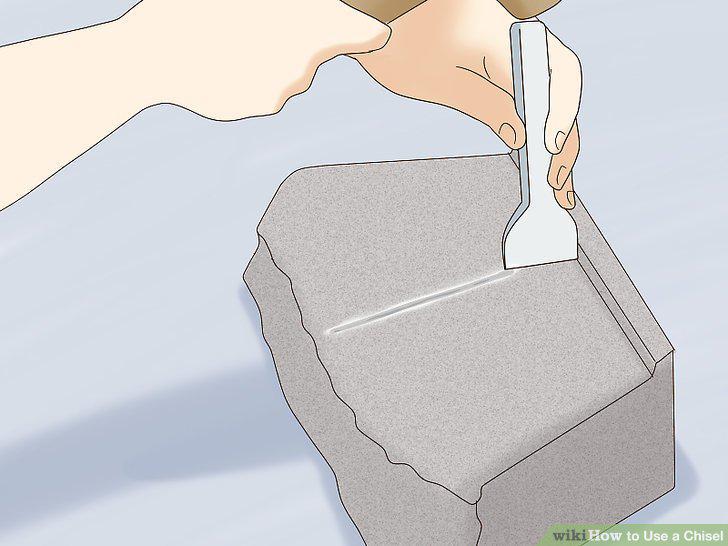
Make a score line along the brick or stone.
Make a hard strike in the middle of your score line.
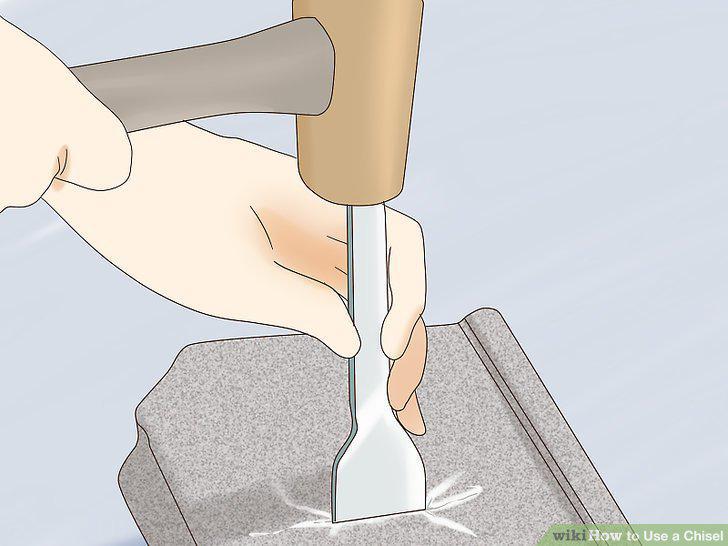
Make a hard strike in the middle of your score line.
Comments (0)
No comments yet. Be the first to share your thoughts!