How to Troubleshoot an Amp
Look for lights indicating that the amp is turned on.. Check the wiring to make sure the amp is plugged in.. Test the sound quality on the amp to pick up unusual noises.
Steps
Look for lights indicating that the amp is turned on.
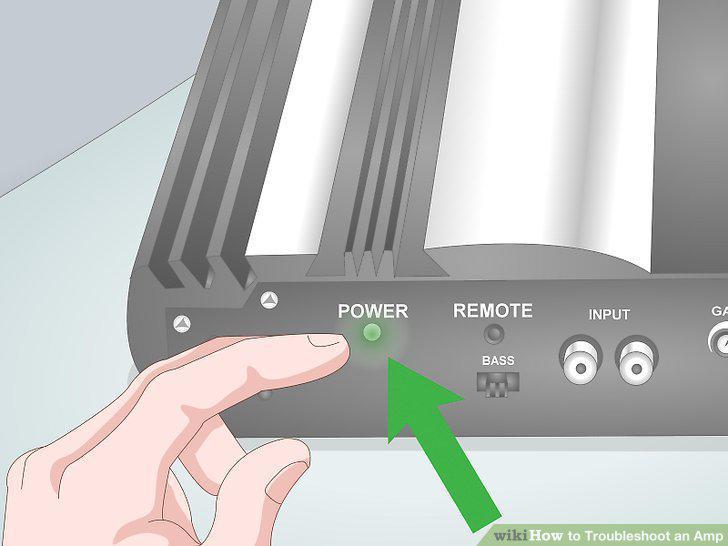
Look for lights indicating that the amp is turned on.
Check the wiring to make sure the amp is plugged in.
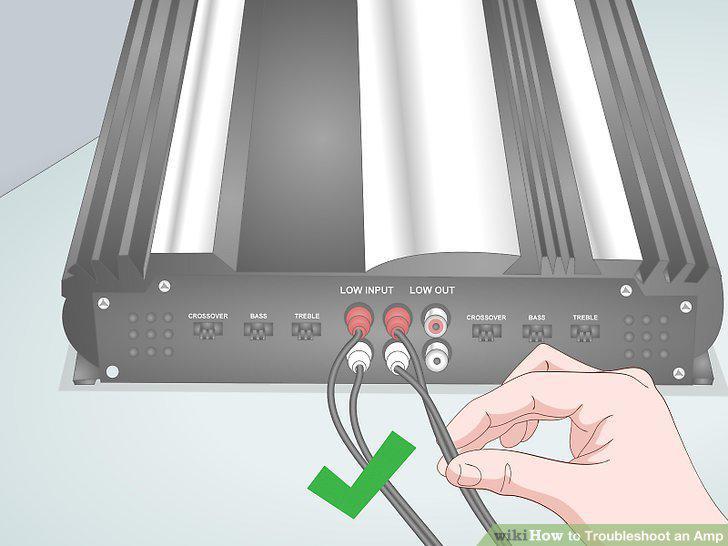
Check the wiring to make sure the amp is plugged in.
Test the sound quality on the amp to pick up unusual noises.
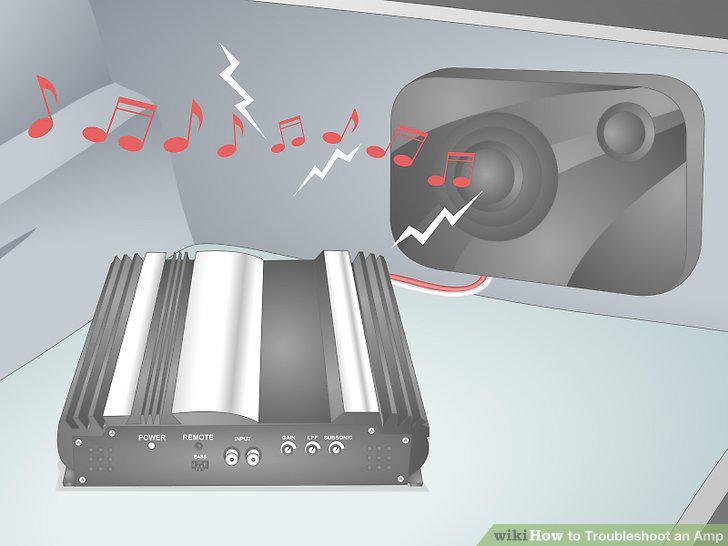
Test the sound quality on the amp to pick up unusual noises.
Turn off the power supply before handling the fuse.
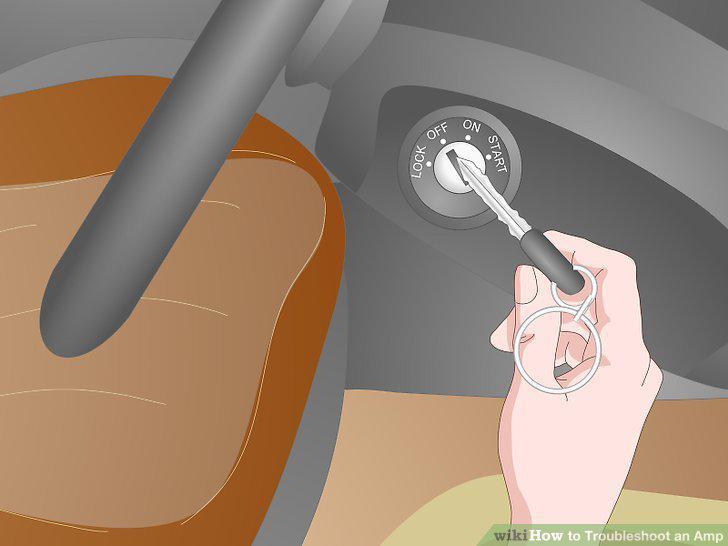
Turn off the power supply before handling the fuse.
Pick up the fuse to see if the wire is broken in it.
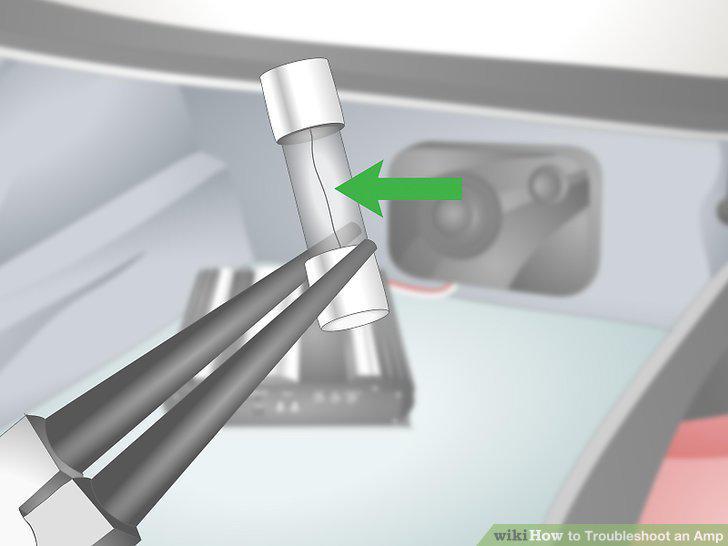
Pick up the fuse to see if the wire is broken in it.
Test the fuse with a multimeter.
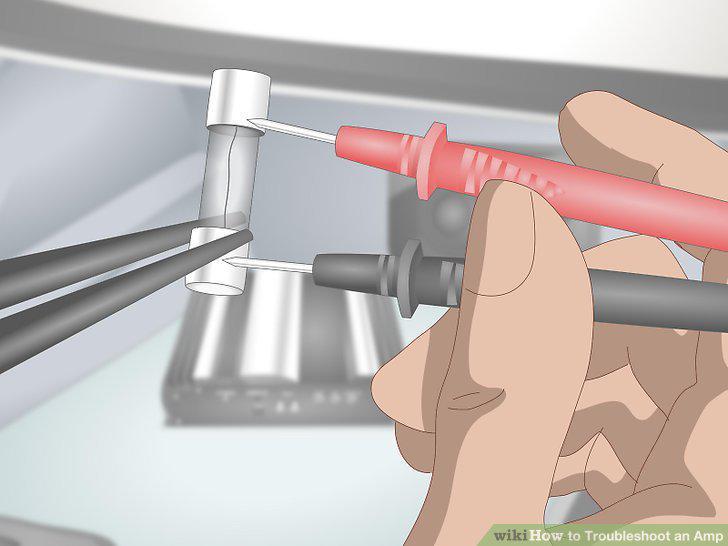
Test the fuse with a multimeter.
Replace the fuse with an identical one if it looks damaged.
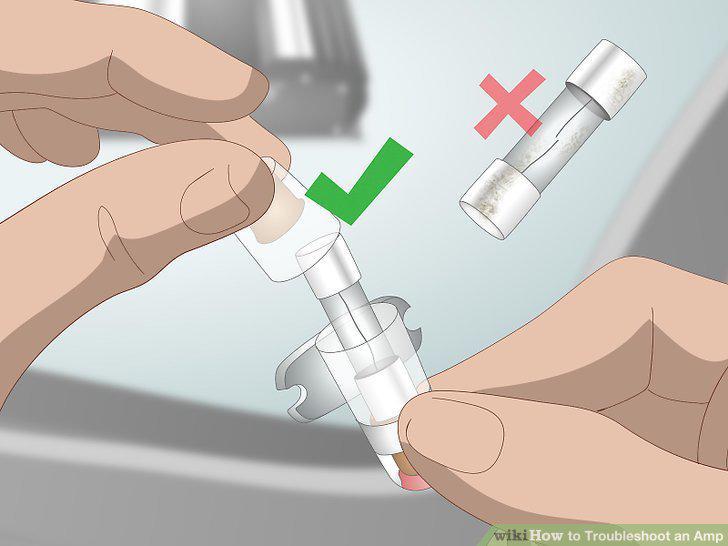
Replace the fuse with an identical one if it looks damaged.
Turn on the amp to see if the fuse blows again.
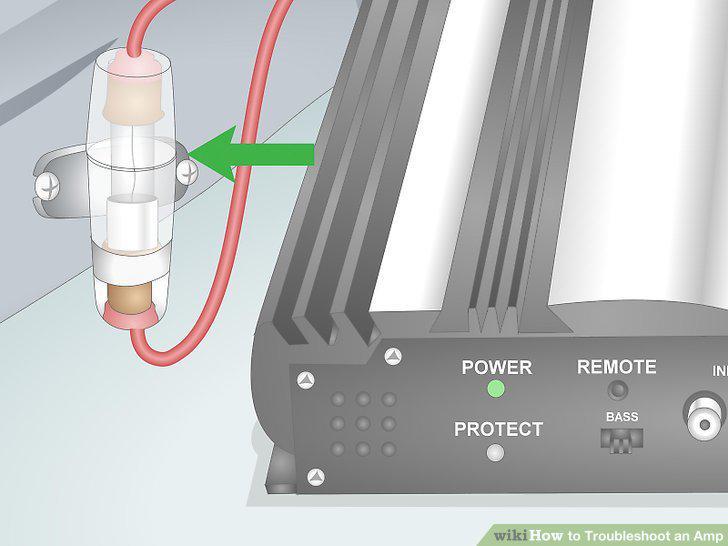
Turn on the amp to see if the fuse blows again.
Unplug the connecting wires to see if the protect light turns off.
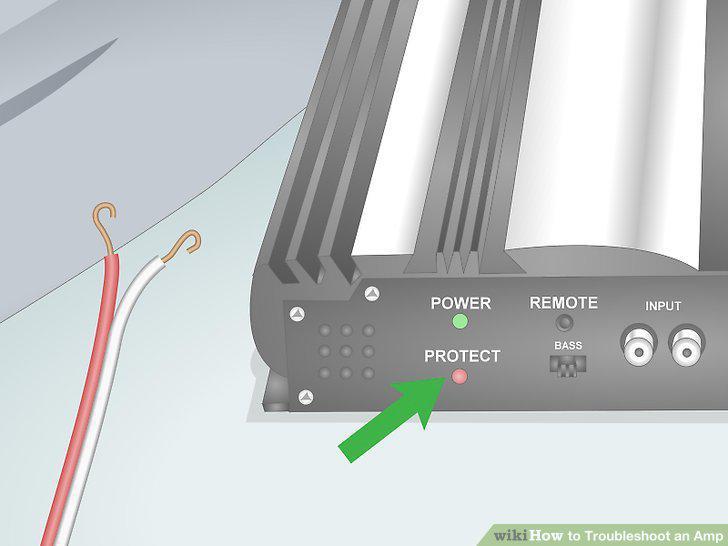
Unplug the connecting wires to see if the protect light turns off.
Inspect all of the wires for any signs of damage.
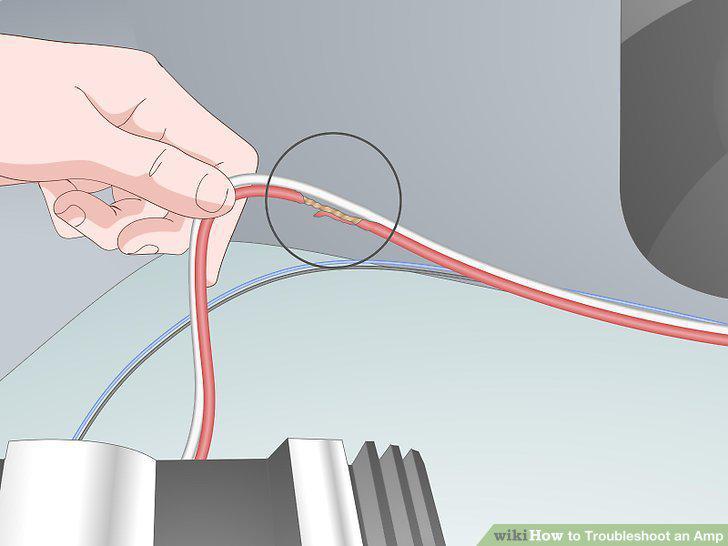
Inspect all of the wires for any signs of damage.
Use a multimeter to test for blown wires.
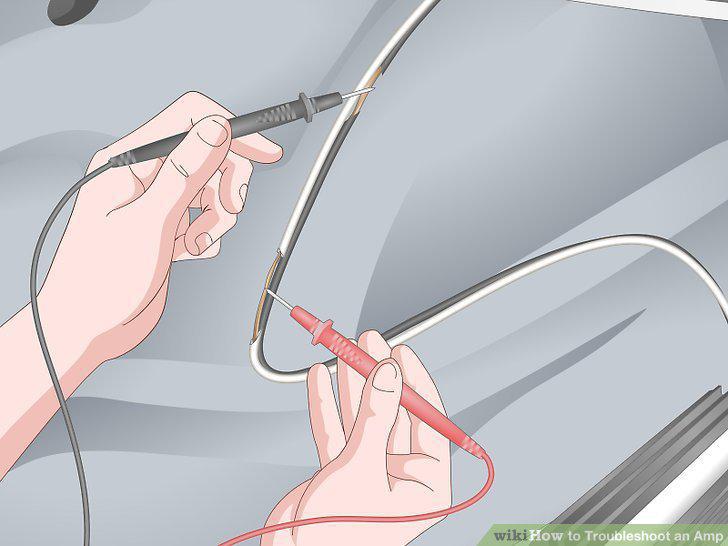
Use a multimeter to test for blown wires.
Lift up any wire connections touching bare metal.
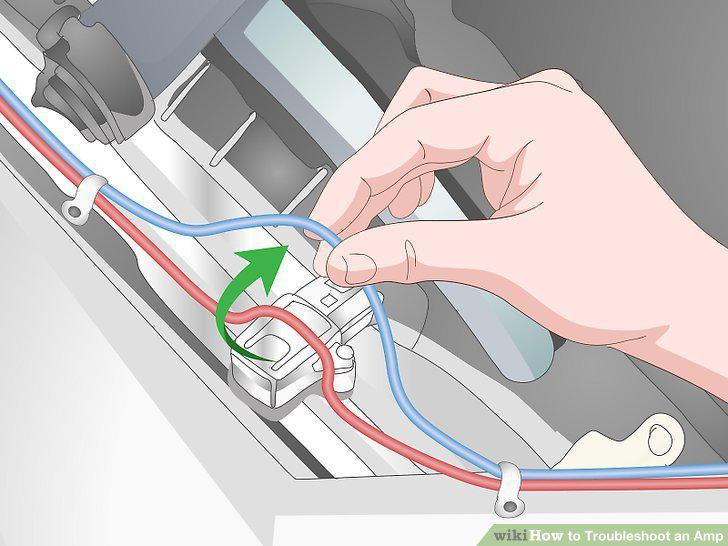
Lift up any wire connections touching bare metal.
Hook up working electrical cables to test the amp.
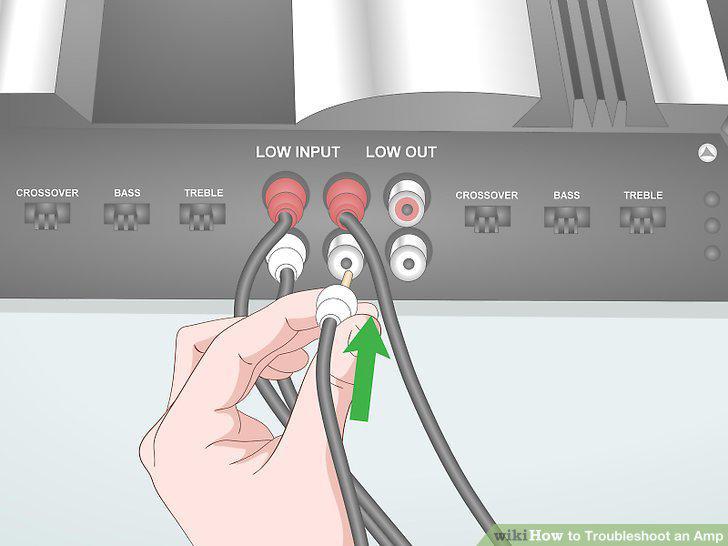
Hook up working electrical cables to test the amp.
Test the sound by unplugging the sound cables or colored RCA wires.
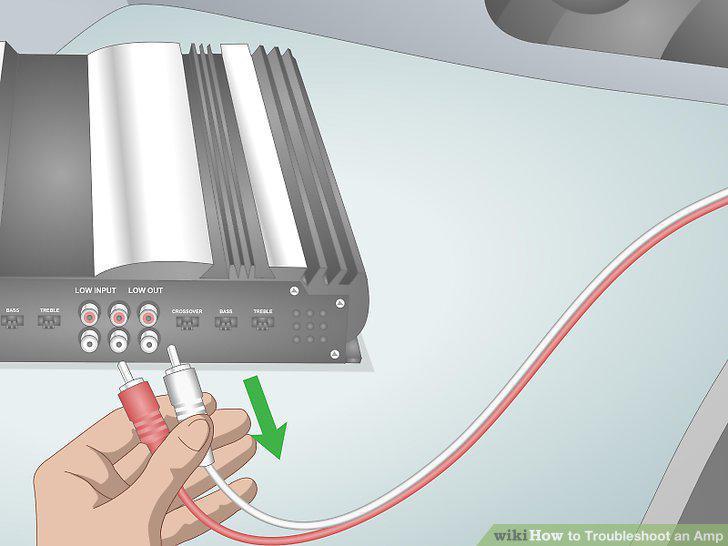
Test the sound by unplugging the sound cables or colored RCA wires.
Compare the amp's power ratings with the speakers and subwoofers.
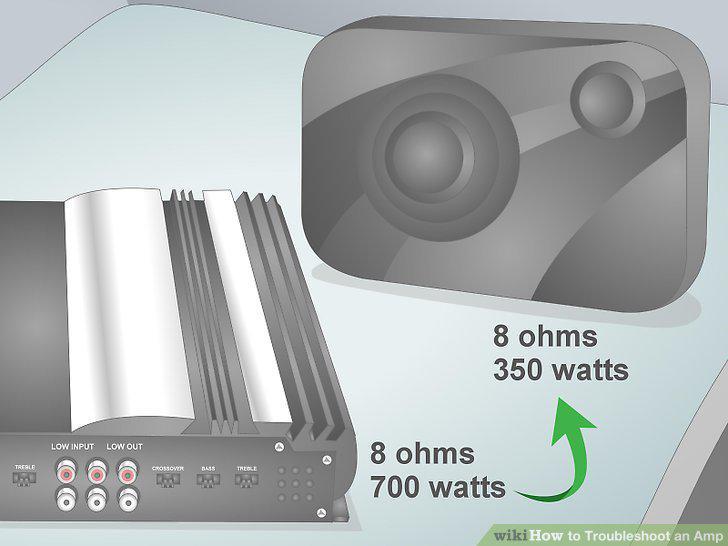
Compare the amp's power ratings with the speakers and subwoofers.
Reroute speakers wires so they aren't touching one another.
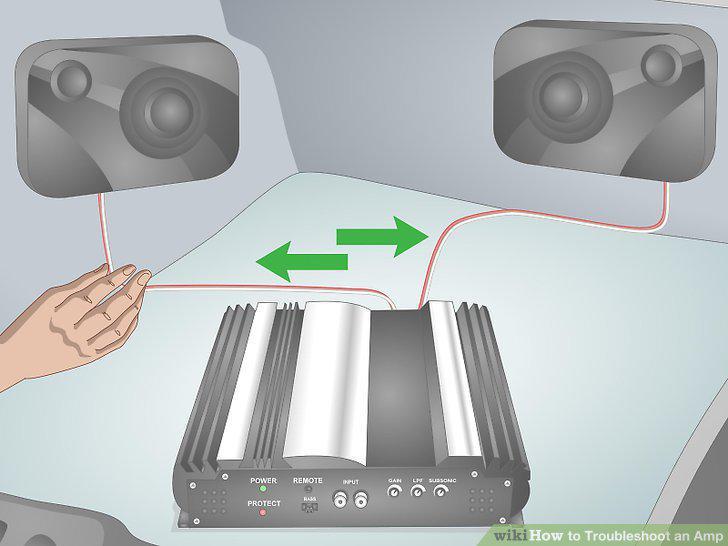
Reroute speakers wires so they aren't touching one another.
Stabilize the speaker enclosure to prevent rattling.
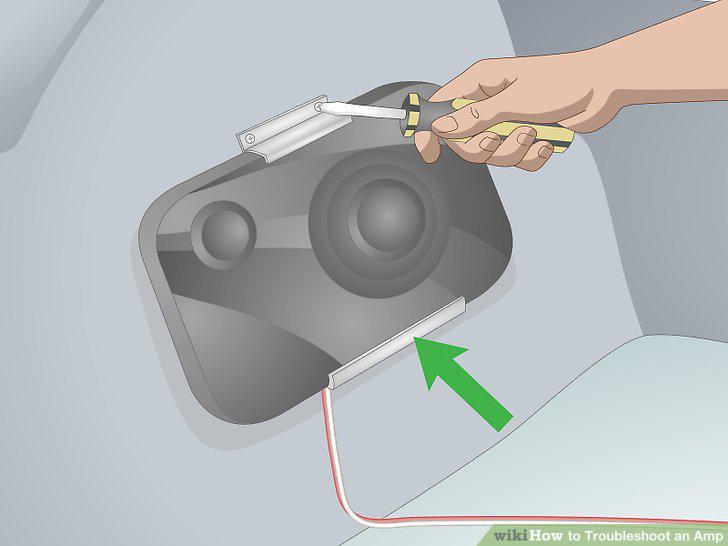
Stabilize the speaker enclosure to prevent rattling.
Connect the amp to a working pair of speakers.
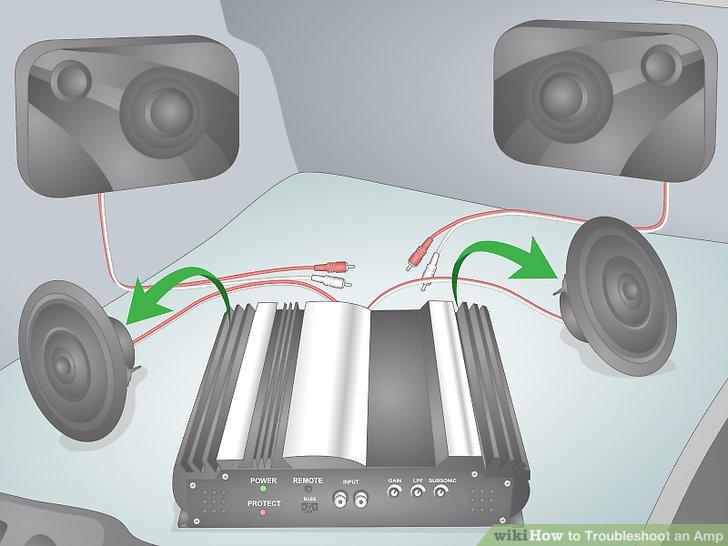
Connect the amp to a working pair of speakers.
Inspect the glass tubes for cracks and other signs of damage.
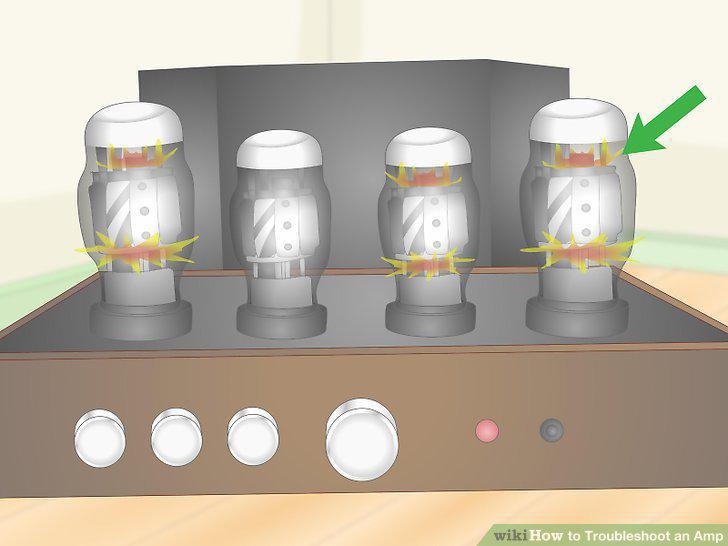
Inspect the glass tubes for cracks and other signs of damage.
Tap the tubes with a pencil and listen for distortion.
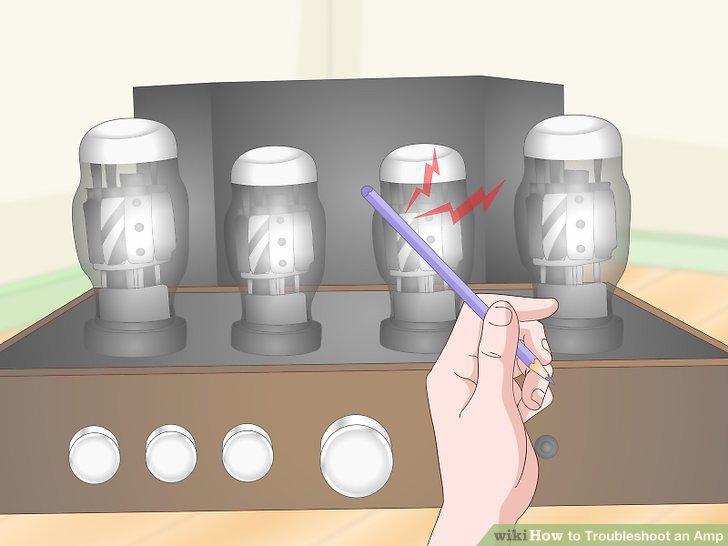
Tap the tubes with a pencil and listen for distortion.
Spray a contact cleaner on the tube plug to test it.
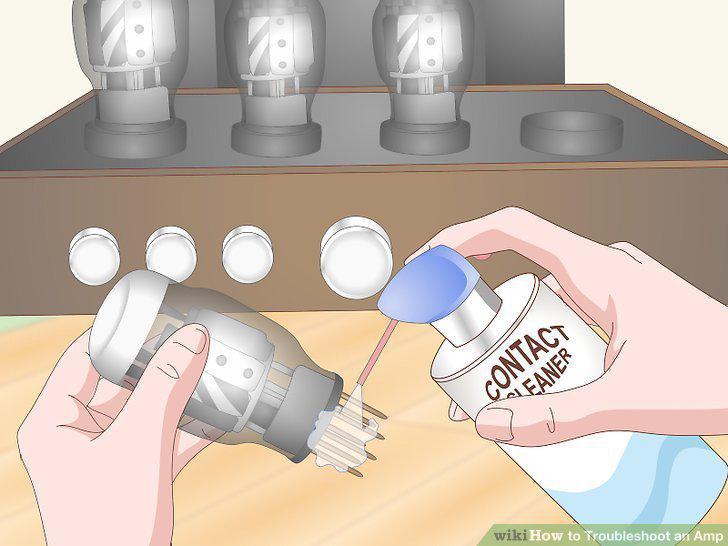
Spray a contact cleaner on the tube plug to test it.
Replace all of the wires to make sure they work right.
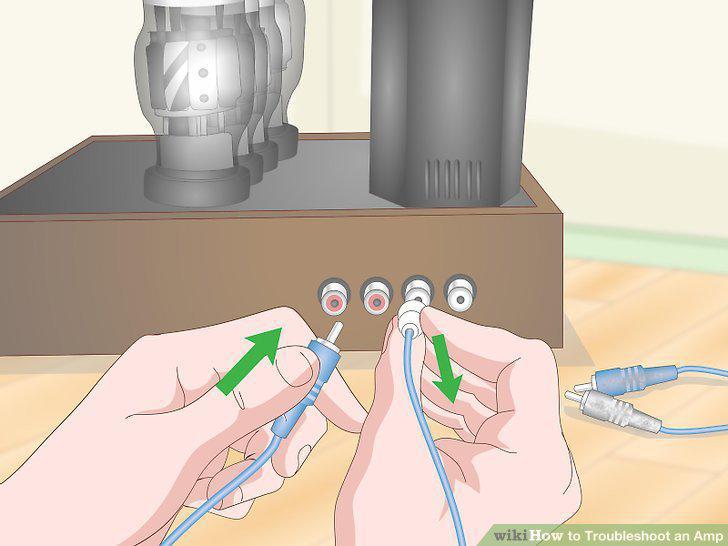
Replace all of the wires to make sure they work right.
Swap broken tubes out for identical replacements.
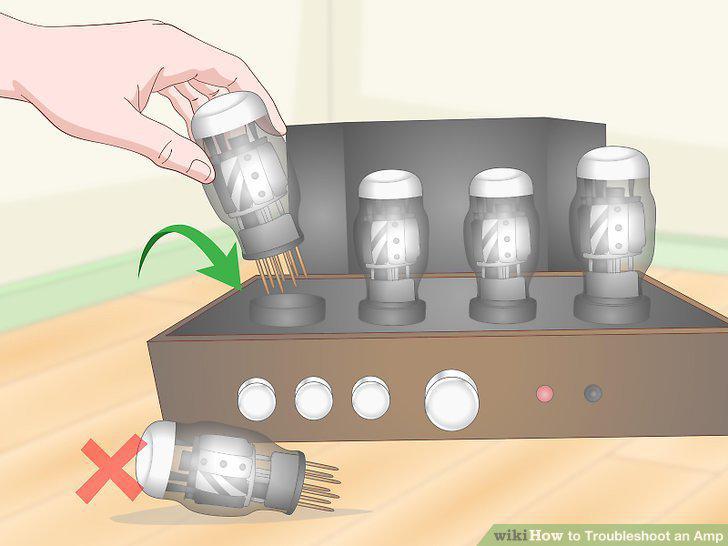
Swap broken tubes out for identical replacements.
Comments (0)
No comments yet. Be the first to share your thoughts!