How to Recognize an Allergic Reaction
Seek immediate medical attention if you show signs of anaphylaxis.. Get help for pain or tightness in your chest or abdomen.. Look for severe swelling that needs immediate medical attention.
Steps
Seek immediate medical attention if you show signs of anaphylaxis.
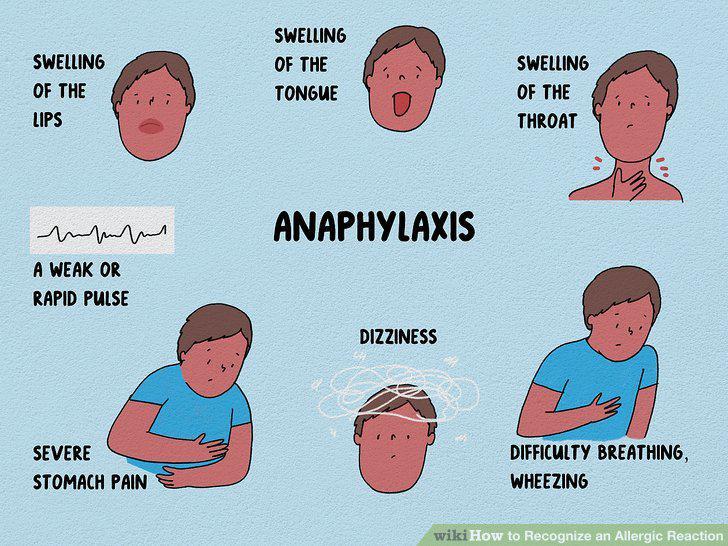
Seek immediate medical attention if you show signs of anaphylaxis.
Get help for pain or tightness in your chest or abdomen.
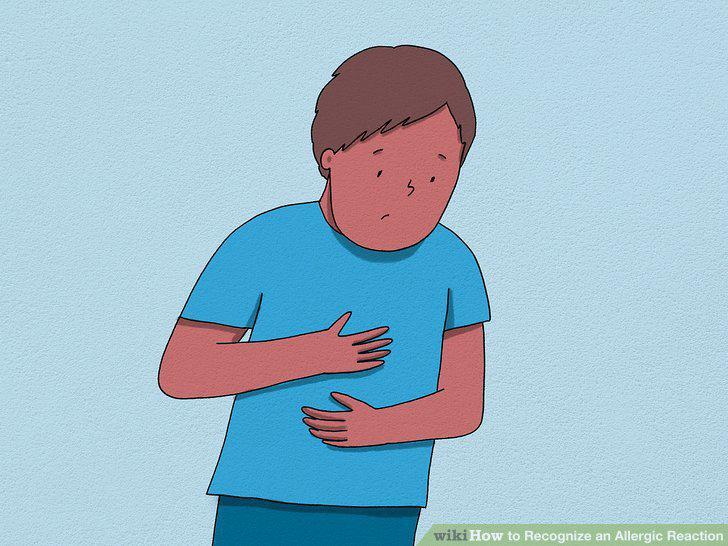
Get help for pain or tightness in your chest or abdomen.
Look for severe swelling that needs immediate medical attention.
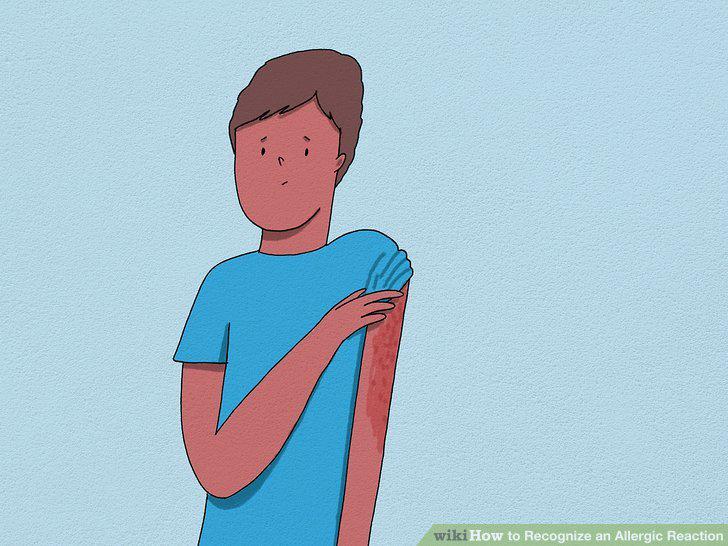
Look for severe swelling that needs immediate medical attention.
Tell someone if you feel dizzy or faint.
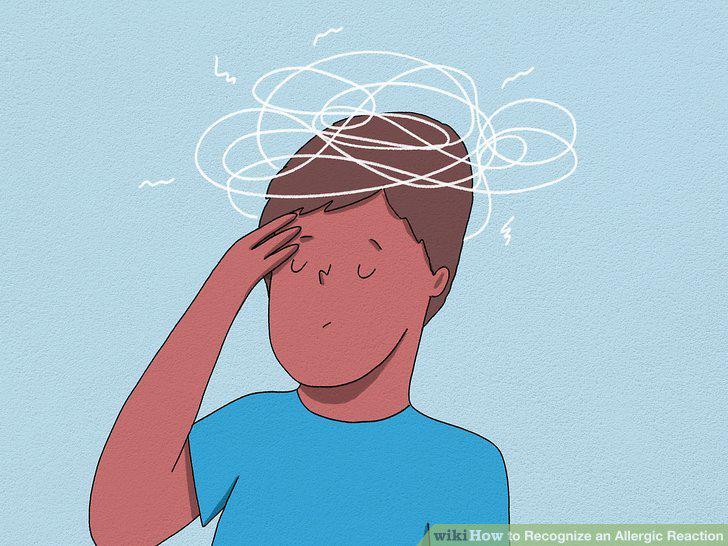
Tell someone if you feel dizzy or faint.
Think about what could be causing your reaction.
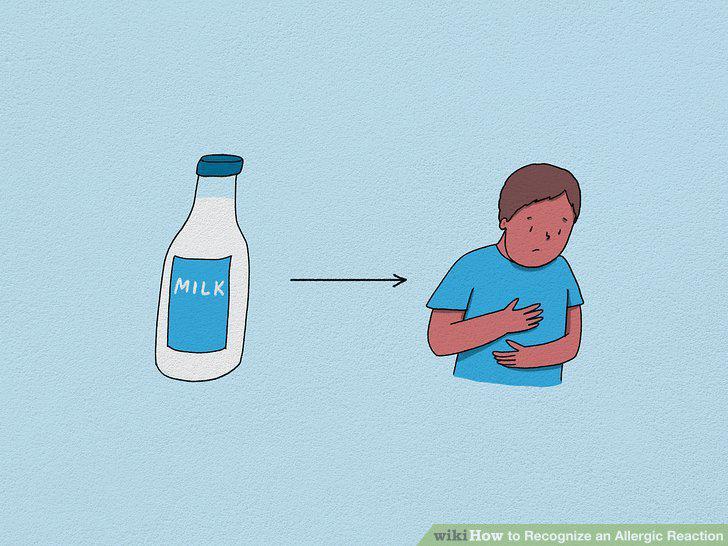
Think about what could be causing your reaction.
Think about any food or drinks that you've consumed.
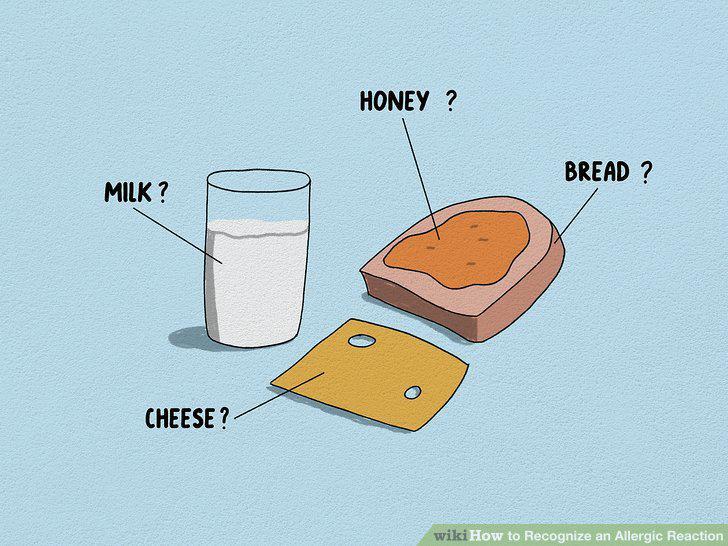
Think about any food or drinks that you've consumed.
Look for swelling of your face, eyes, tongue, or throat.
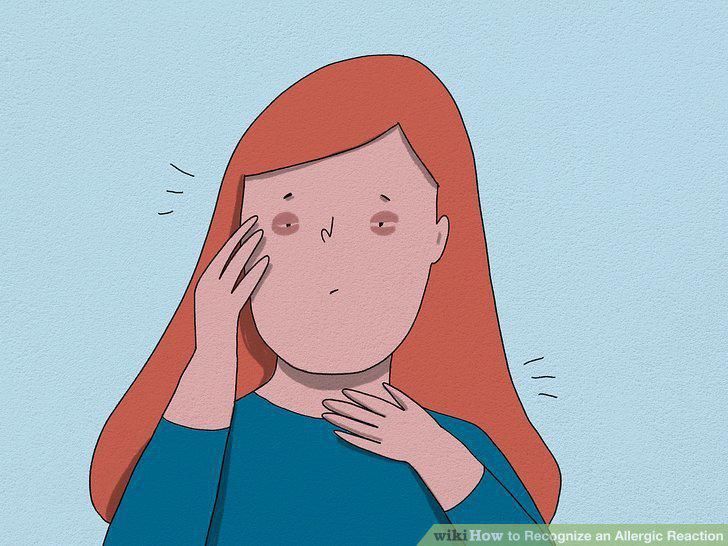
Look for swelling of your face, eyes, tongue, or throat.
Pay attention to nausea, vomiting, or diarrhea after you eat.
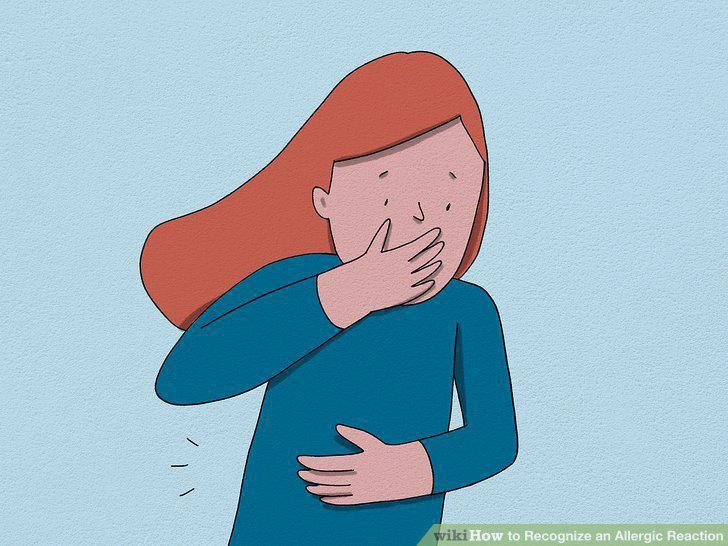
Pay attention to nausea, vomiting, or diarrhea after you eat.
Take note if you suddenly feel confused or anxious after eating.
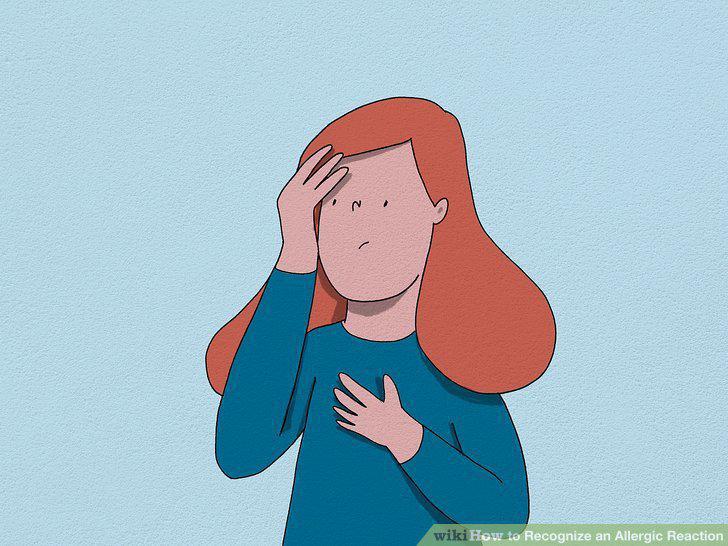
Take note if you suddenly feel confused or anxious after eating.
Clear your throat to see if it feels scratchy or tight.
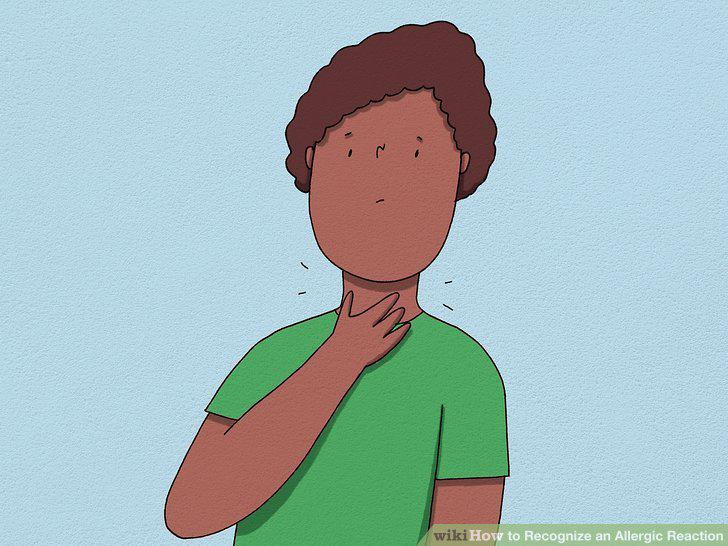
Clear your throat to see if it feels scratchy or tight.
Take a breath through your nose to see if your sinuses are congested.
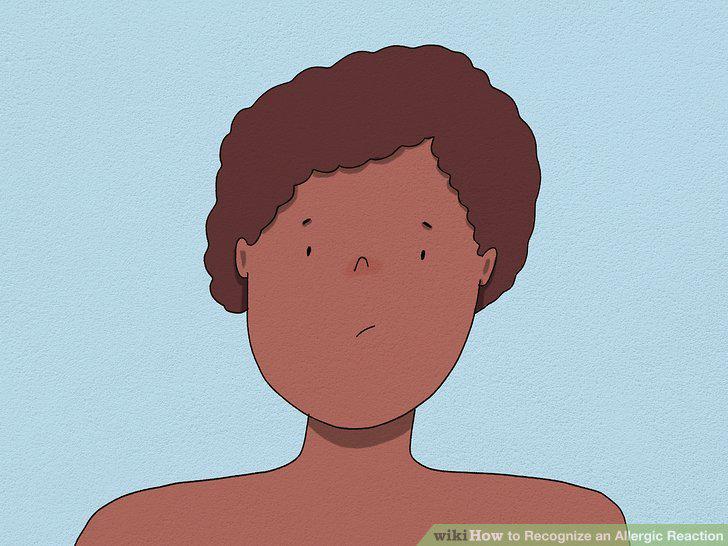
Take a breath through your nose to see if your sinuses are congested.
Check to see if your face and eyes are itchy.
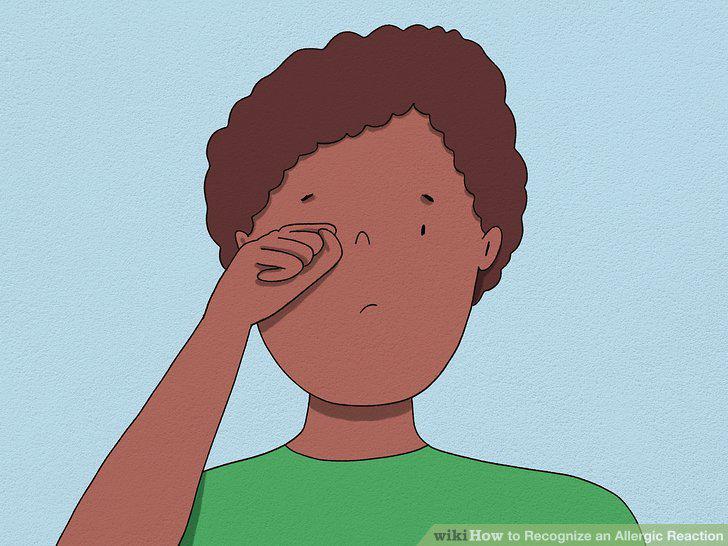
Check to see if your face and eyes are itchy.
Look up your local allergy forecast to identify potential causes.
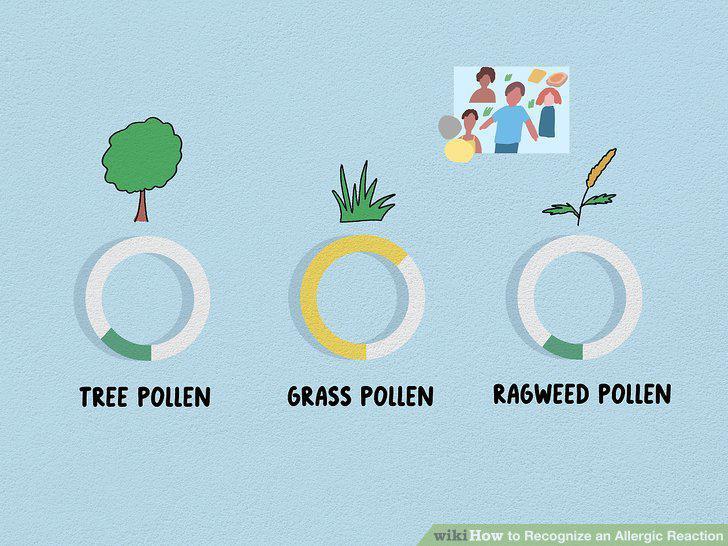
Look up your local allergy forecast to identify potential causes.
Consider potential causes of your skin reaction.
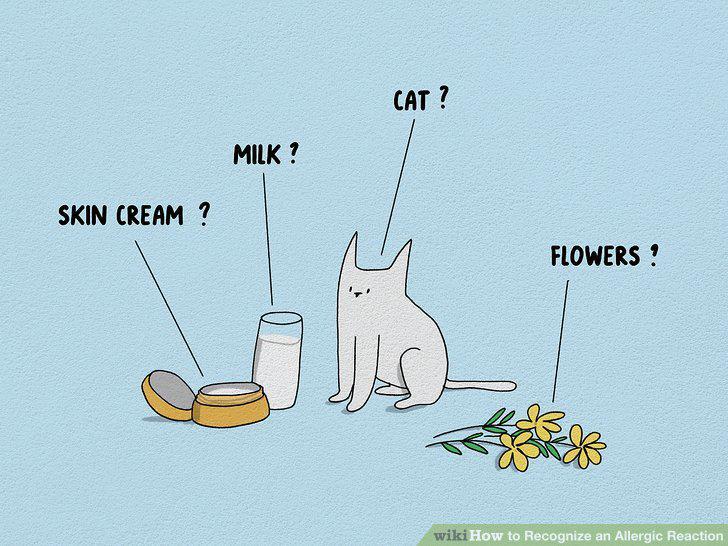
Consider potential causes of your skin reaction.
Check your skin for itchiness, rashes, or hives.
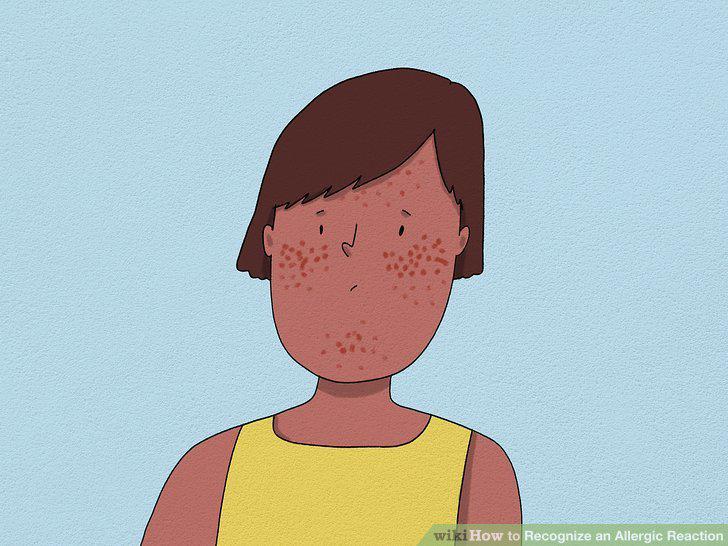
Check your skin for itchiness, rashes, or hives.
See if your ears or mouth are itchy.
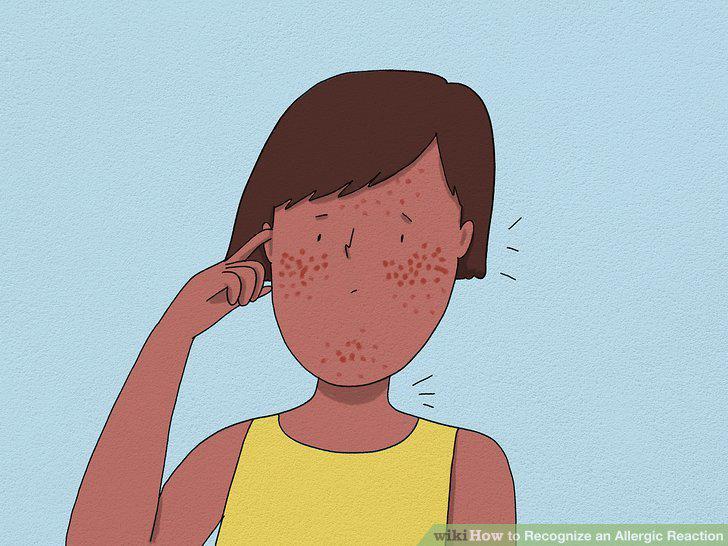
See if your ears or mouth are itchy.
Notice if your eyes are itchy or watery.
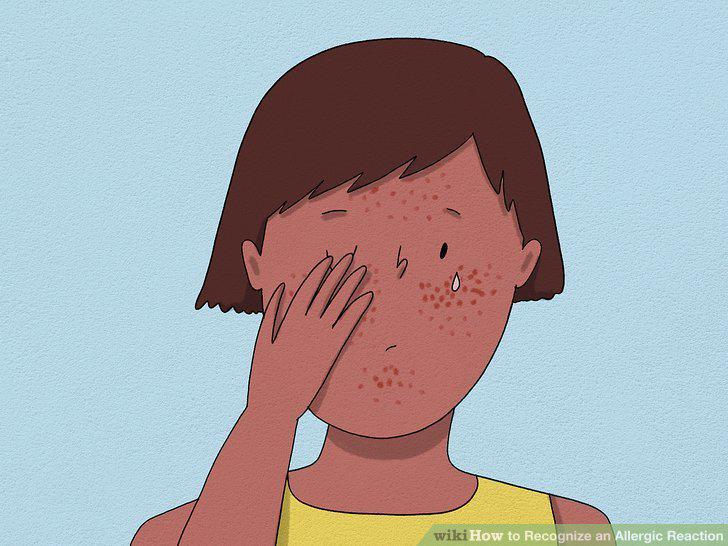
Notice if your eyes are itchy or watery.
Wash the affected area with mild soap and water.
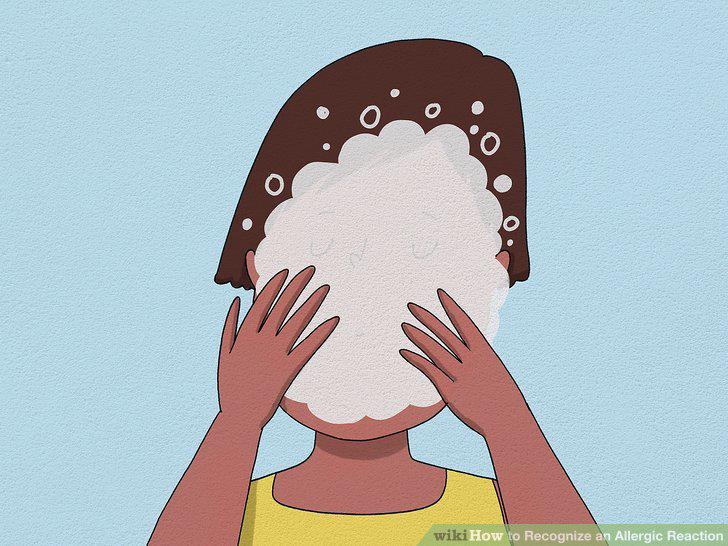
Wash the affected area with mild soap and water.
Treat itchy skin with hydrocortisone cream.
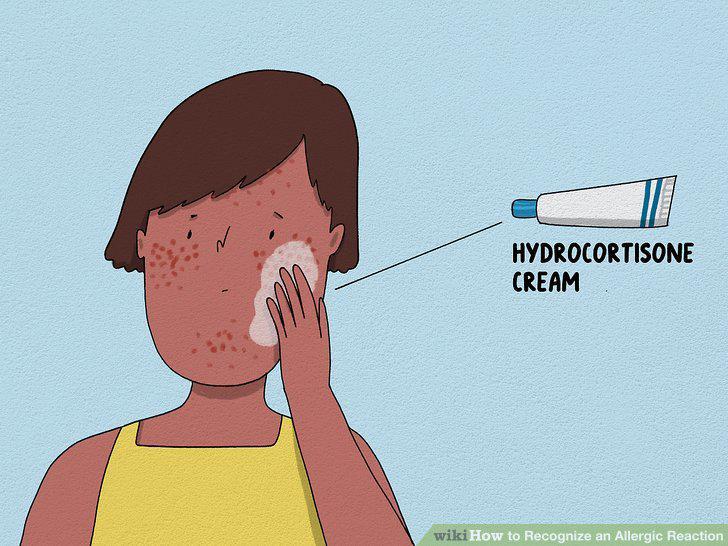
Treat itchy skin with hydrocortisone cream.
Comments (0)
No comments yet. Be the first to share your thoughts!