How to Know if You Have Dust Mites
Obtain a compound microscope with 10x magnification.. Collect samples of dust and put them on a slide.. Put the slide under the stage clips.
Steps
Obtain a compound microscope with 10x magnification.
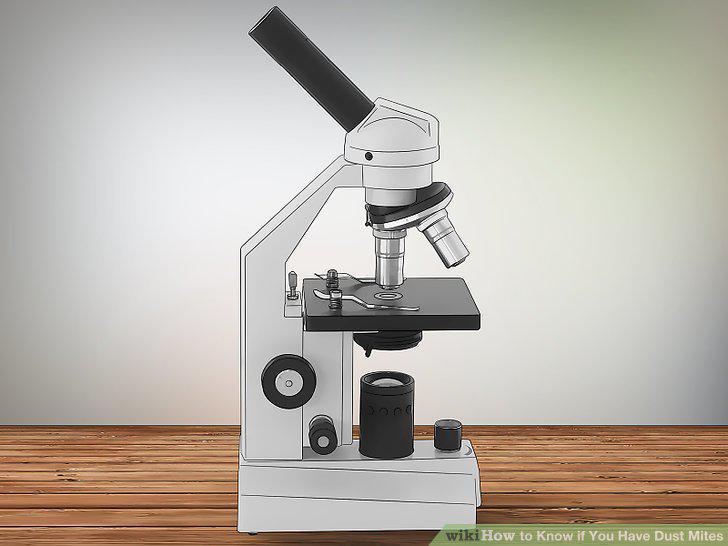
Obtain a compound microscope with 10x magnification.
Collect samples of dust and put them on a slide.
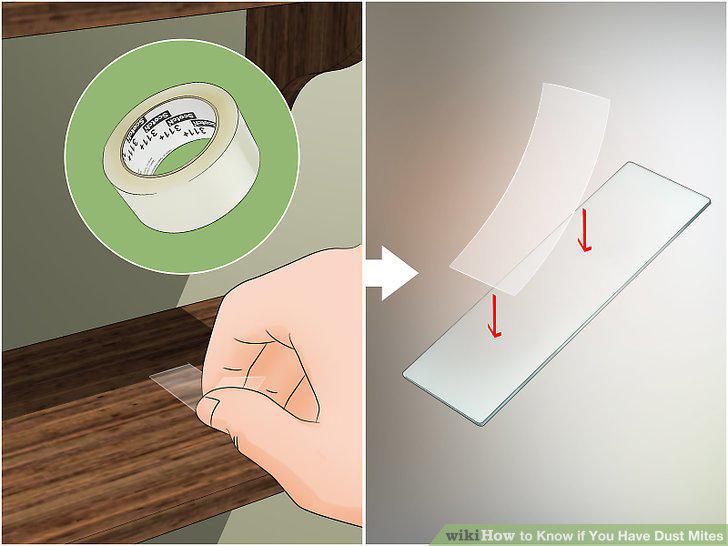
Collect samples of dust and put them on a slide.
Put the slide under the stage clips.
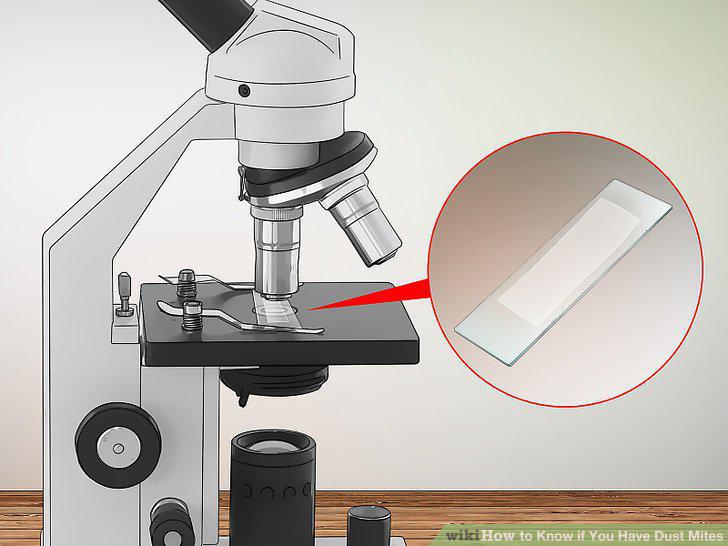
Put the slide under the stage clips.
Plug in the microscope to turn on its light.
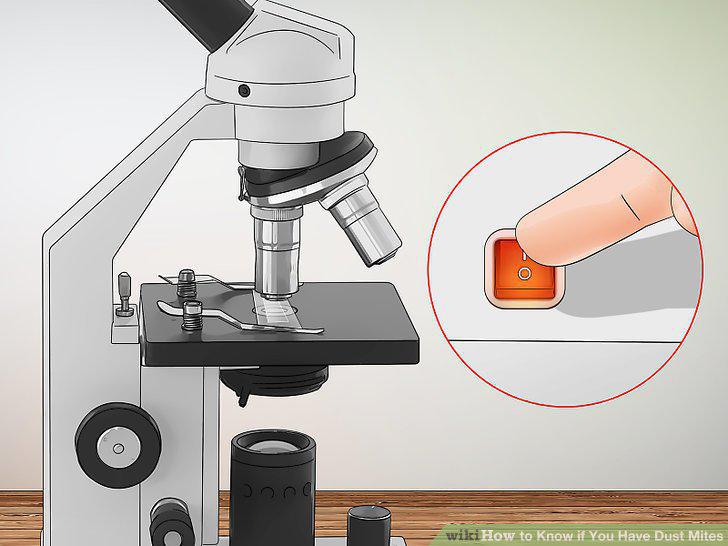
Plug in the microscope to turn on its light.
Rotate the nosepiece to the 10x power objective.
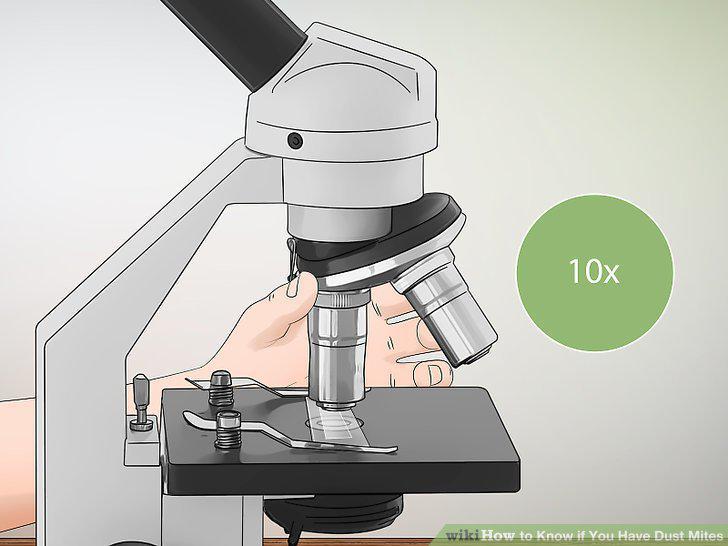
Rotate the nosepiece to the 10x power objective.
Look for clear, oval-shaped arachnids with rigid bodies.
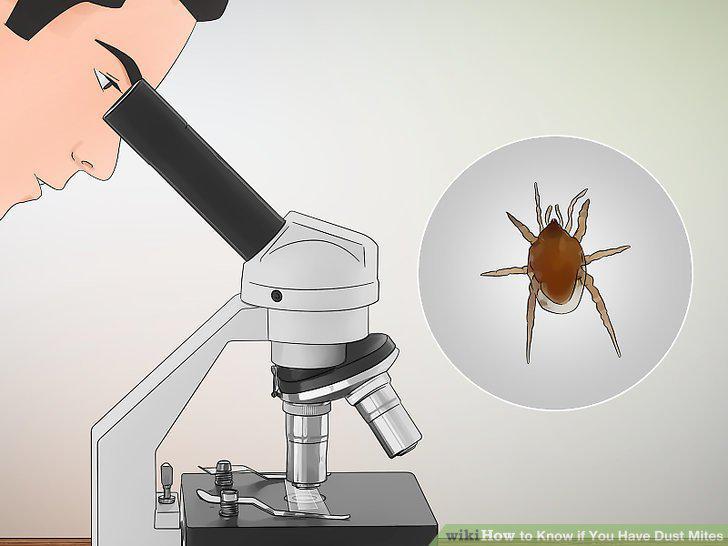
Look for clear, oval-shaped arachnids with rigid bodies.
Buy a home dust mite test kit.
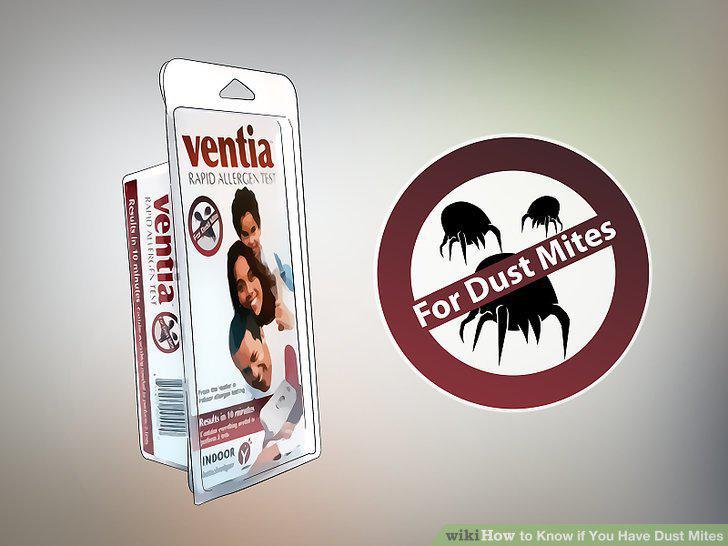
Buy a home dust mite test kit.
Insert the plastic filter in the dust collector.
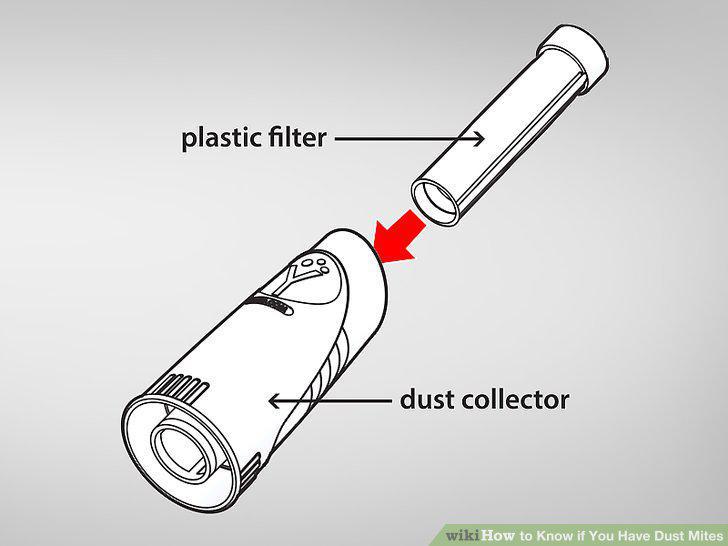
Insert the plastic filter in the dust collector.
Attach the dust collector to your vacuum hose.
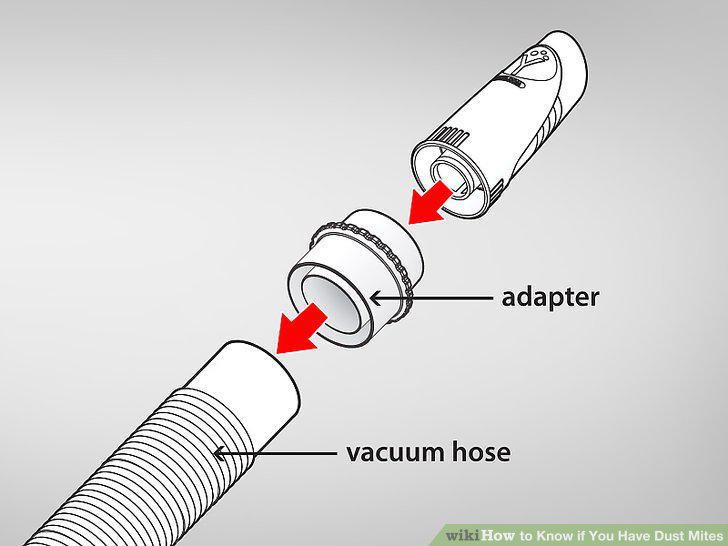
Attach the dust collector to your vacuum hose.
Vacuum 4 separate sections in the spot you're testing.
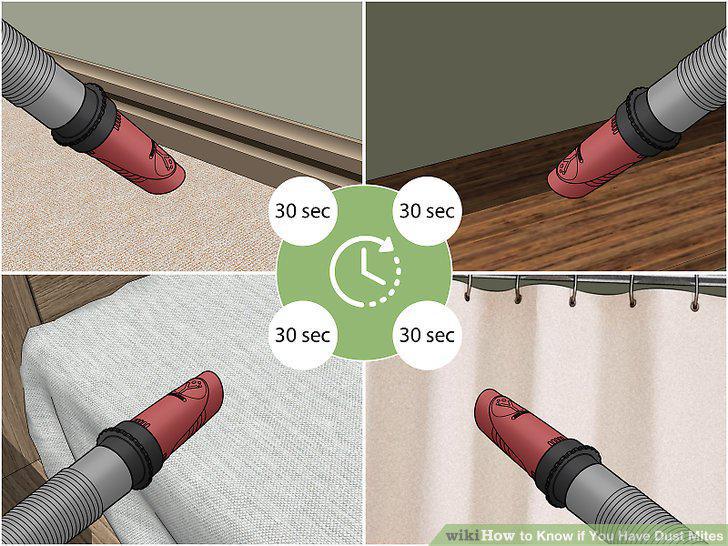
Vacuum 4 separate sections in the spot you're testing.
Turn the vacuum off and remove the dust collector.
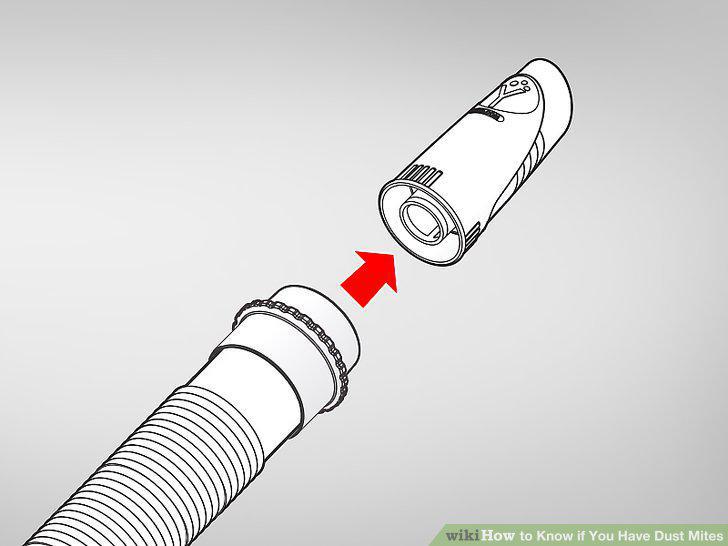
Turn the vacuum off and remove the dust collector.
Insert the bottom cap into the base of the collector.
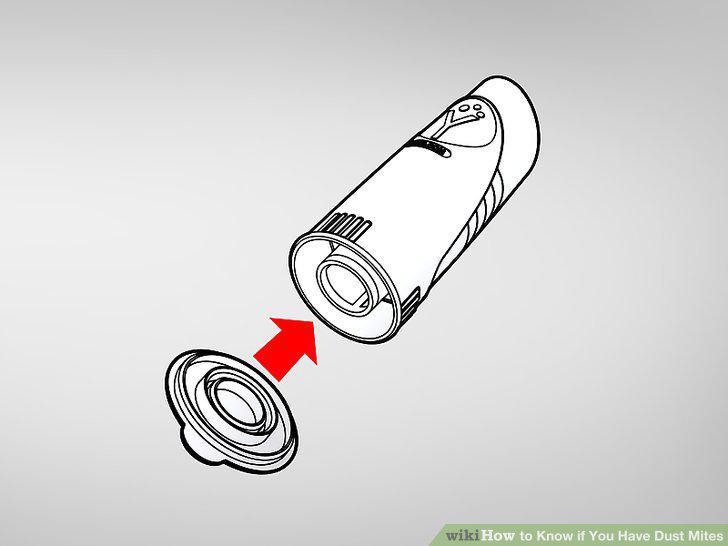
Insert the bottom cap into the base of the collector.
Add the testing liquid, shake the container, then let it rest for 4 minutes.
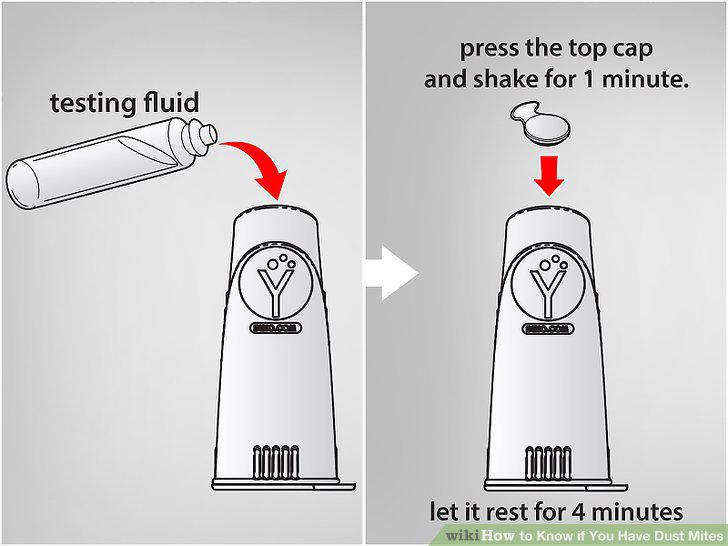
Add the testing liquid, shake the container, then let it rest for 4 minutes.
Apply the 5 drops to the sample well on the test strip.
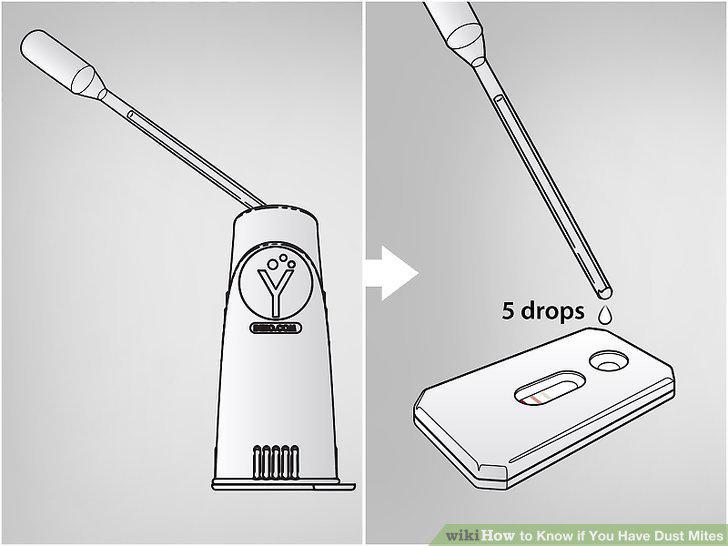
Apply the 5 drops to the sample well on the test strip.
Look at the test strip for pink lines after 10 minutes.
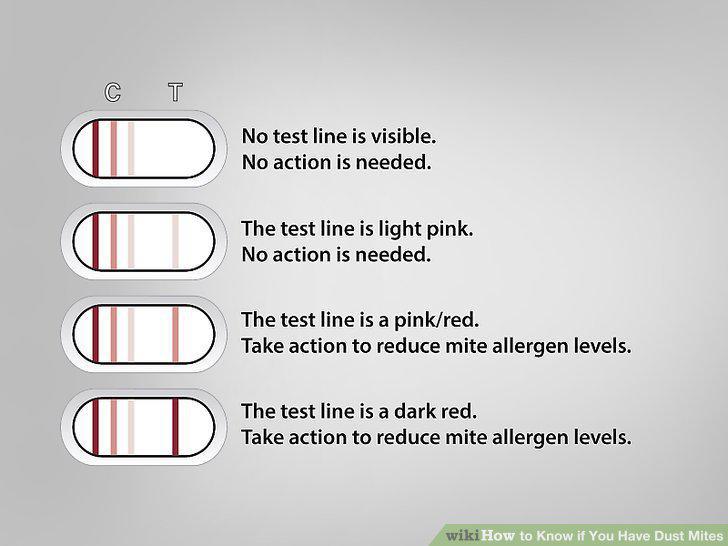
Look at the test strip for pink lines after 10 minutes.
Test other rooms if you have high dust mite levels.
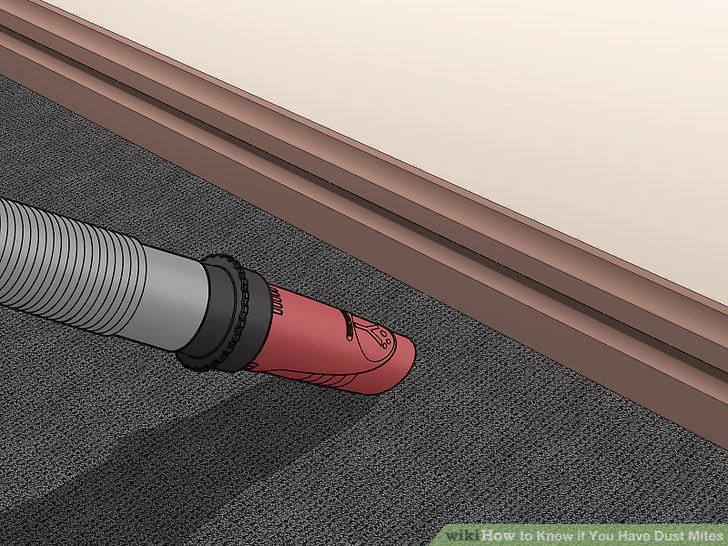
Test other rooms if you have high dust mite levels.
Identify symptoms such as hay fever, cough, runny nose, or sinus pain.
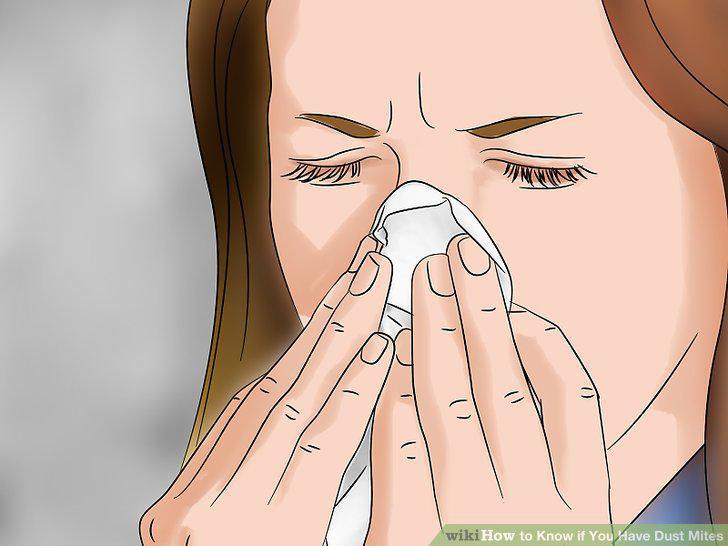
Identify symptoms such as hay fever, cough, runny nose, or sinus pain.
Get a skin prick test to determine your sensitivity to allergens.
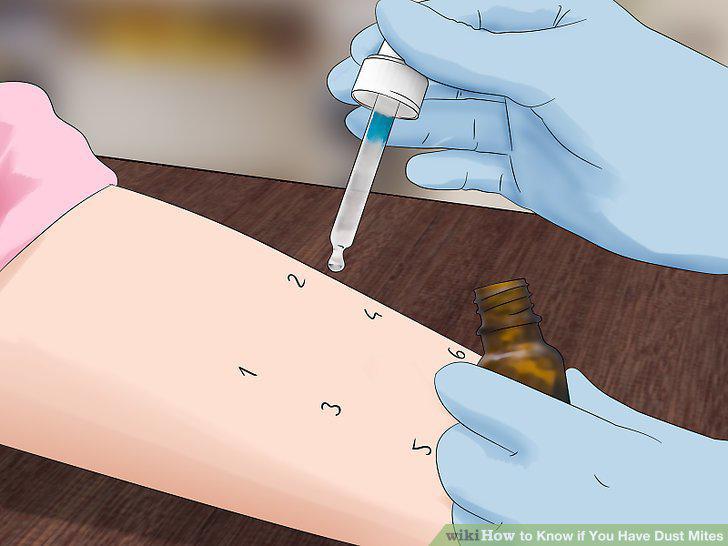
Get a skin prick test to determine your sensitivity to allergens.
Get a specific IgE blood test if the skin test shows no signs of allergies.
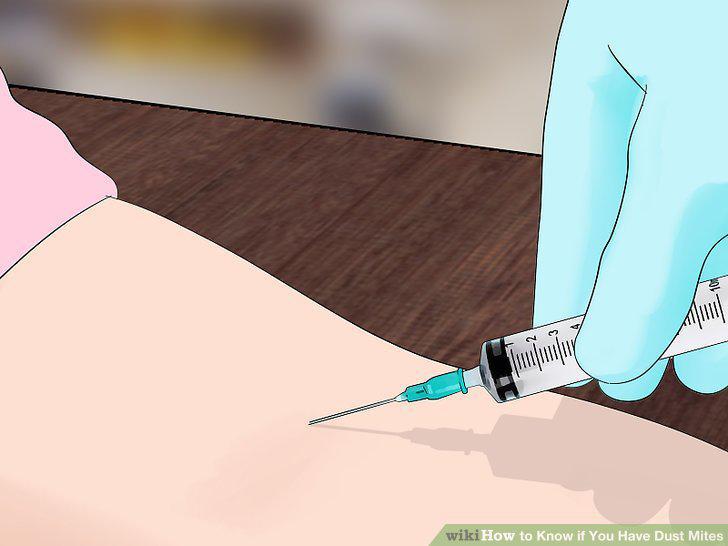
Get a specific IgE blood test if the skin test shows no signs of allergies.
Take antihistamines or corticosteroids to treat allergy symptoms.
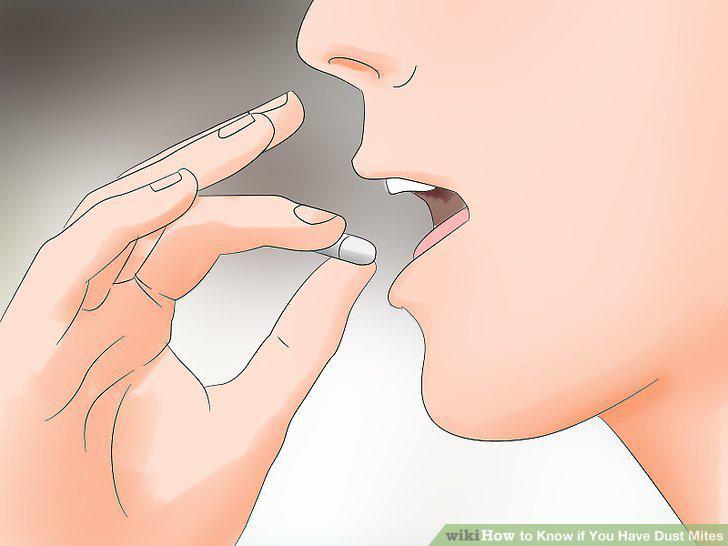
Take antihistamines or corticosteroids to treat allergy symptoms.
Comments (0)
No comments yet. Be the first to share your thoughts!