How to Identify a Rotator Cuff Injury
See your doctor if you have immediate shoulder weakness after an injury.. Look for redness, swelling, or tenderness around your shoulder joint.. Feel if pain radiates from your shoulder and down the front of your arm.
Steps
See your doctor if you have immediate shoulder weakness after an injury.
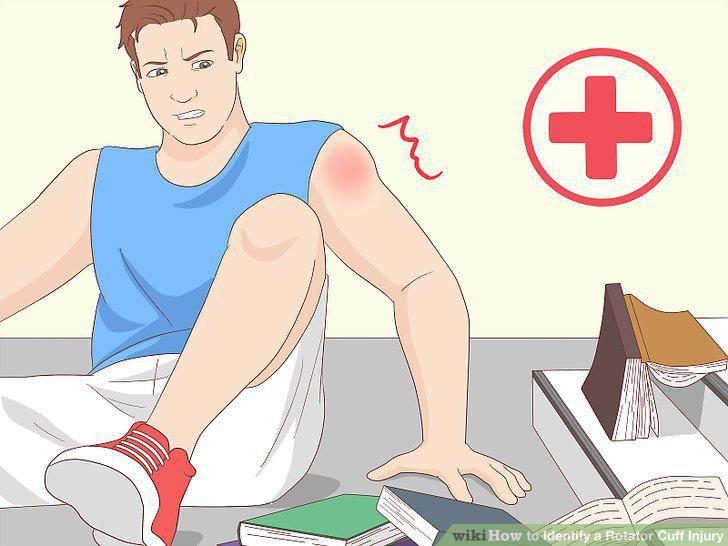
See your doctor if you have immediate shoulder weakness after an injury.
Look for redness, swelling, or tenderness around your shoulder joint.
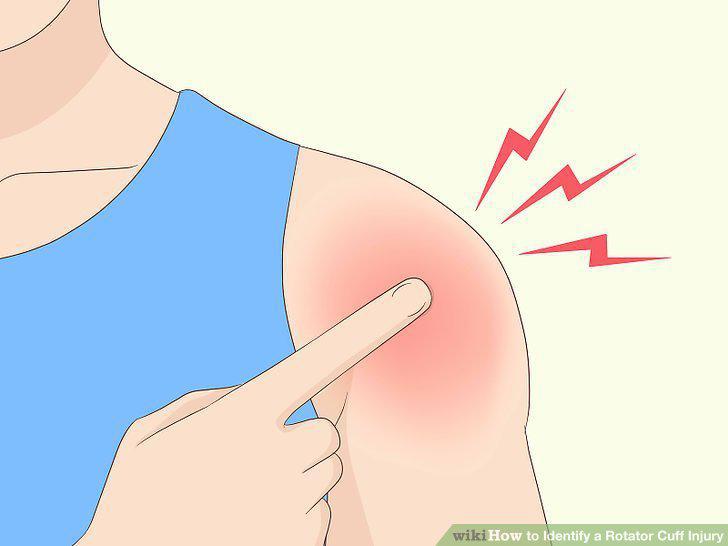
Look for redness, swelling, or tenderness around your shoulder joint.
Feel if pain radiates from your shoulder and down the front of your arm.
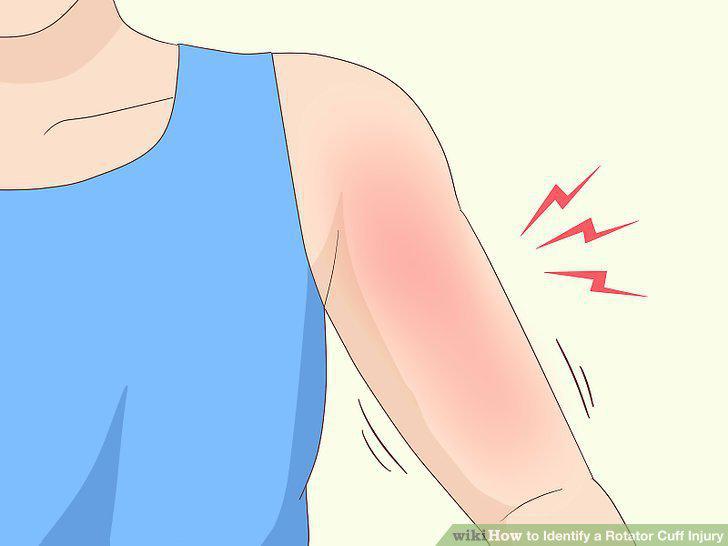
Feel if pain radiates from your shoulder and down the front of your arm.
See if you feel pain or weakness when you lift or extend your arm.
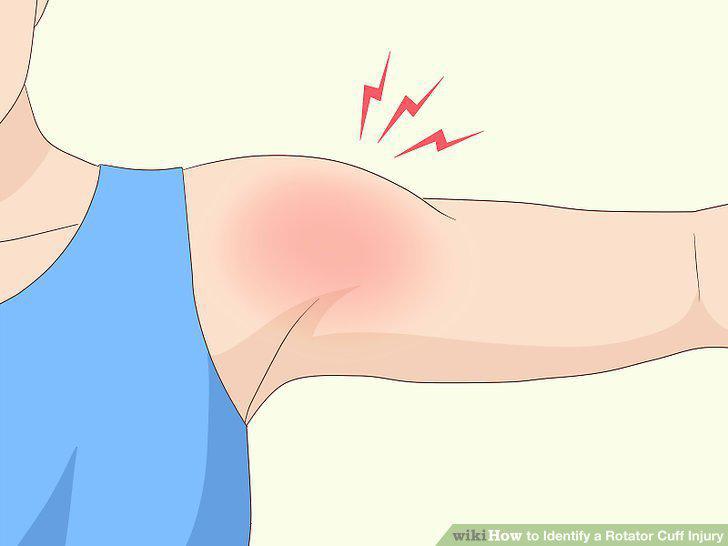
See if you feel pain or weakness when you lift or extend your arm.
Listen for grating, clicking, or popping when you move your shoulder.
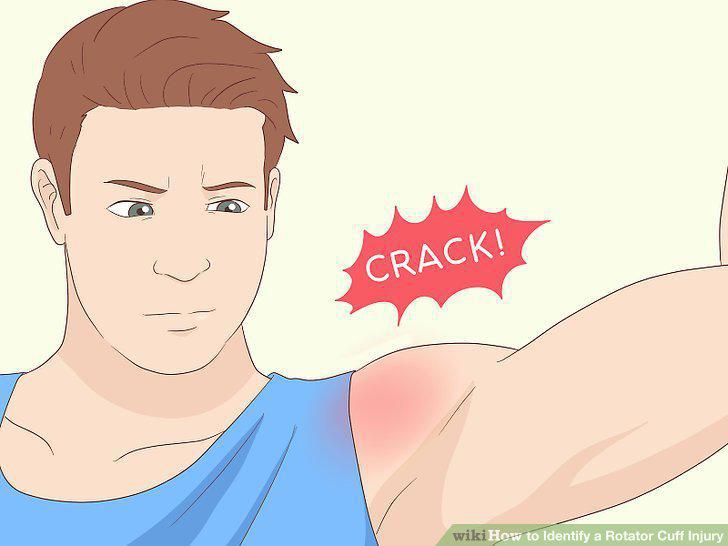
Listen for grating, clicking, or popping when you move your shoulder.
Watch for pain while you're sleeping on the affected side of your body.
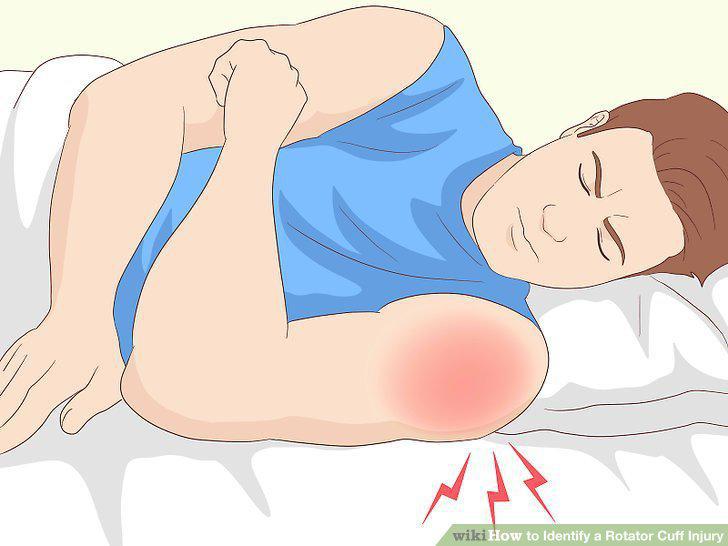
Watch for pain while you're sleeping on the affected side of your body.
Make an appointment if your pain interferes with your everyday activities.
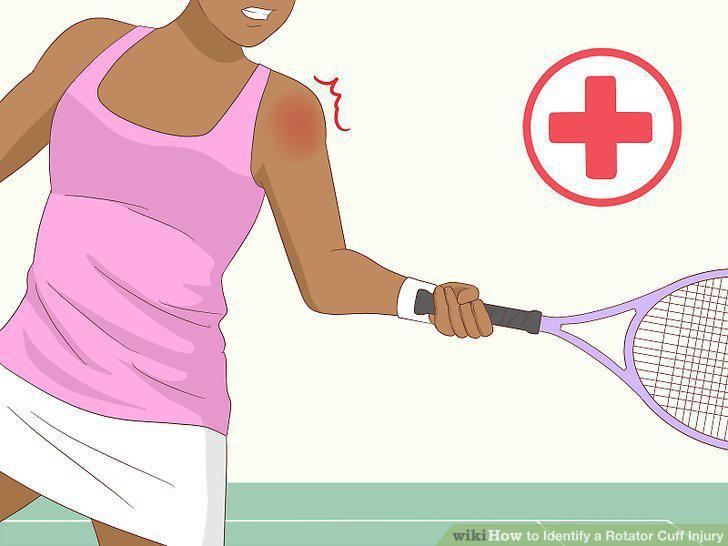
Make an appointment if your pain interferes with your everyday activities.
Have an x-ray done if your doctor suspects bone spurs.
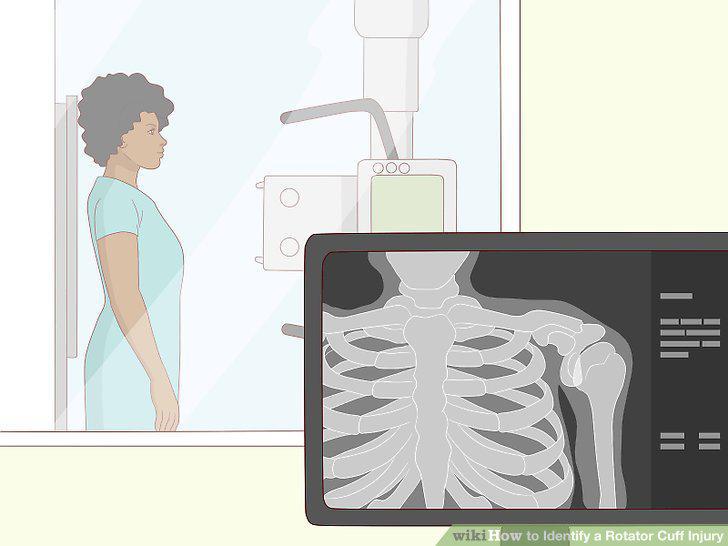
Have an x-ray done if your doctor suspects bone spurs.
Get an MRI to check for rotator cuff tears.
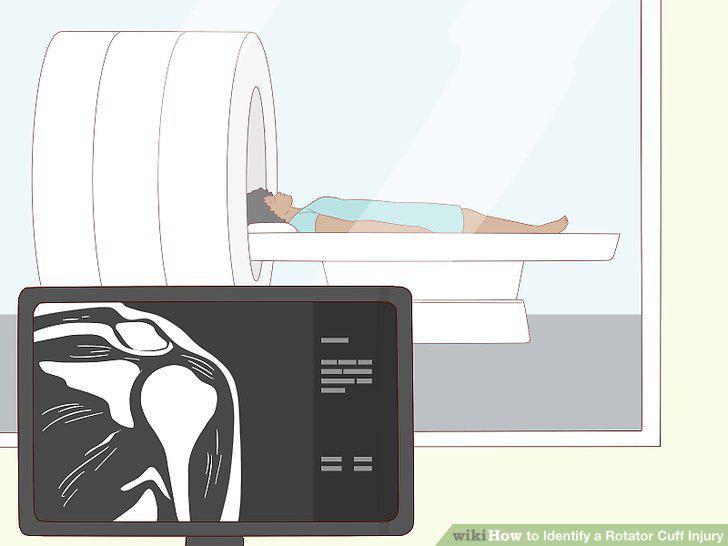
Get an MRI to check for rotator cuff tears.
Rest your shoulder by avoiding painful activities.
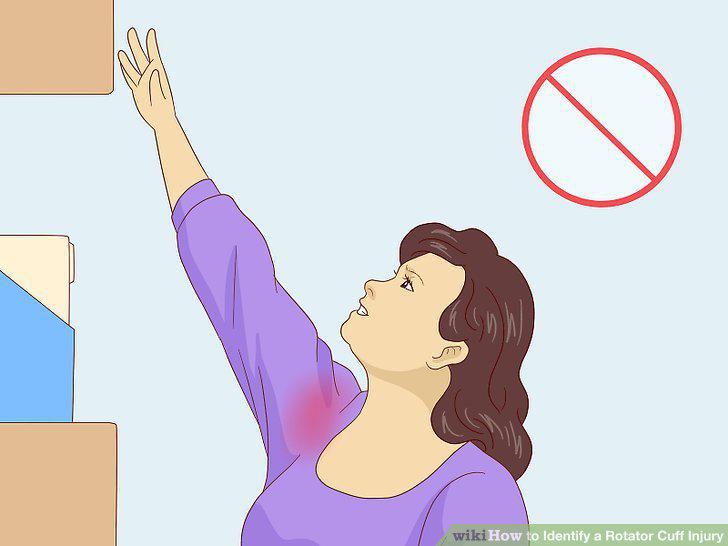
Rest your shoulder by avoiding painful activities.
Wear a sling if your doctor prescribes one.
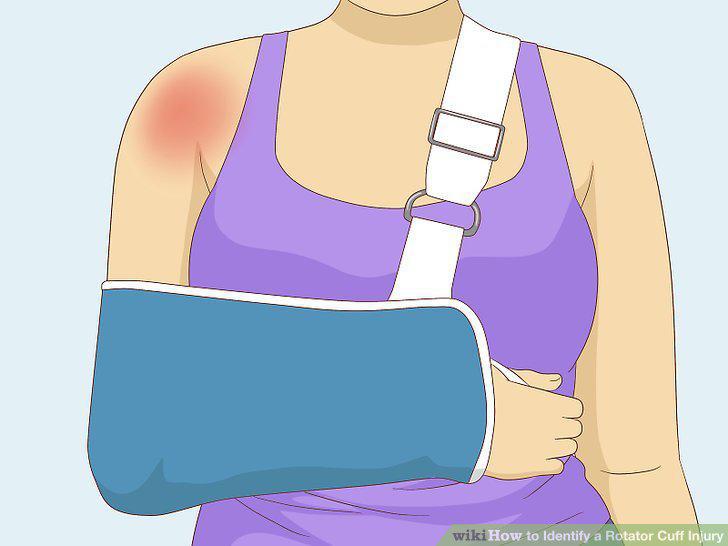
Wear a sling if your doctor prescribes one.
Hold an ice pack on your shoulder to help ease your pain.
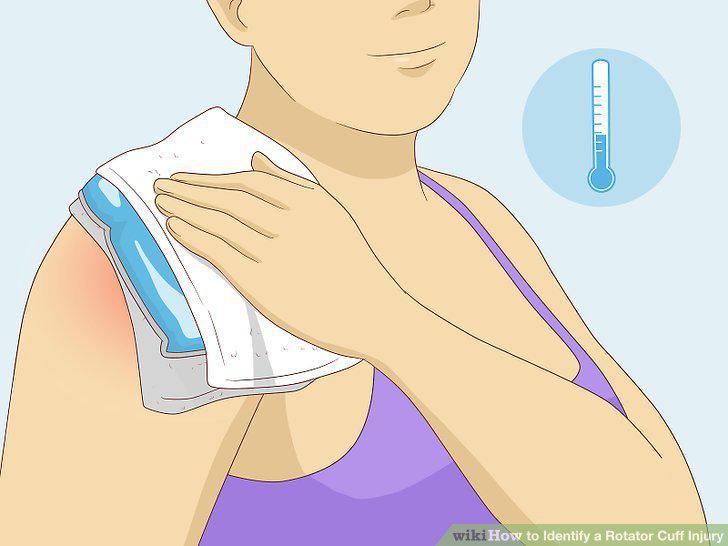
Hold an ice pack on your shoulder to help ease your pain.
Take over-the-counter pain relievers if you still feel achy.
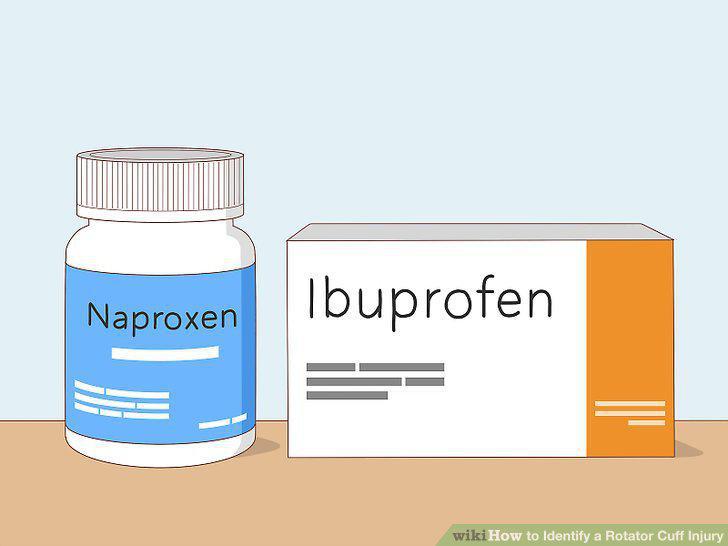
Take over-the-counter pain relievers if you still feel achy.
Go through physical therapy to stretch and strengthen your shoulder.
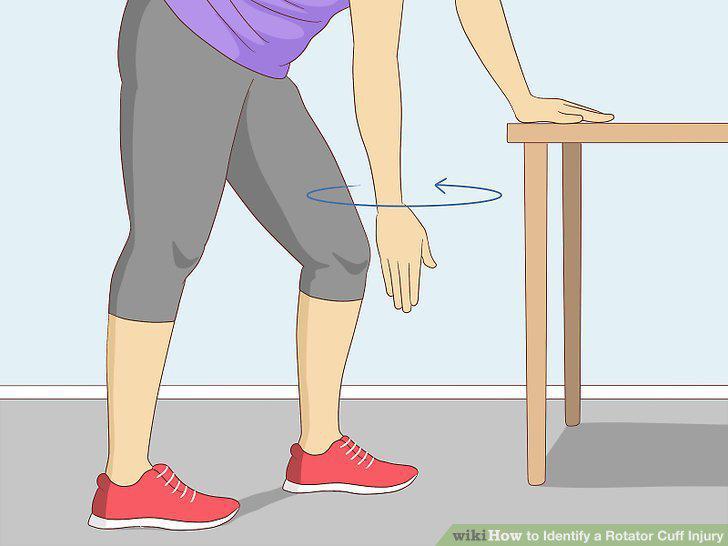
Go through physical therapy to stretch and strengthen your shoulder.
Ask your doctor for a steroid injection to temporarily treat pain and swelling.
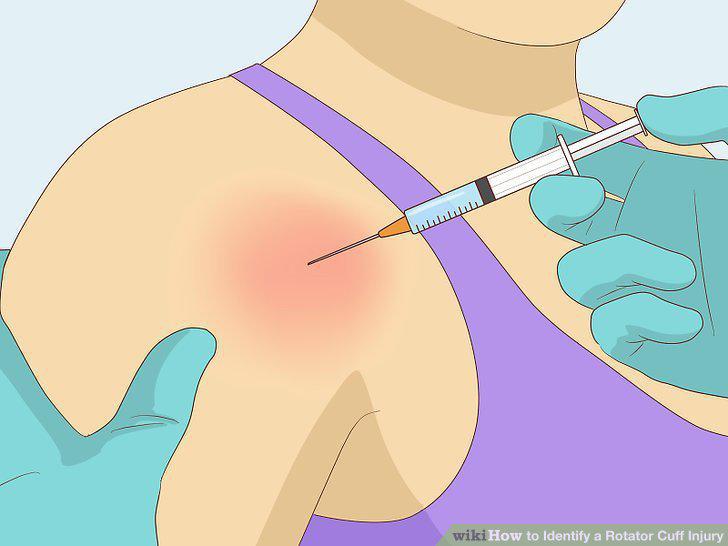
Ask your doctor for a steroid injection to temporarily treat pain and swelling.
Get shoulder surgery as a last resort if your doctor recommends it.
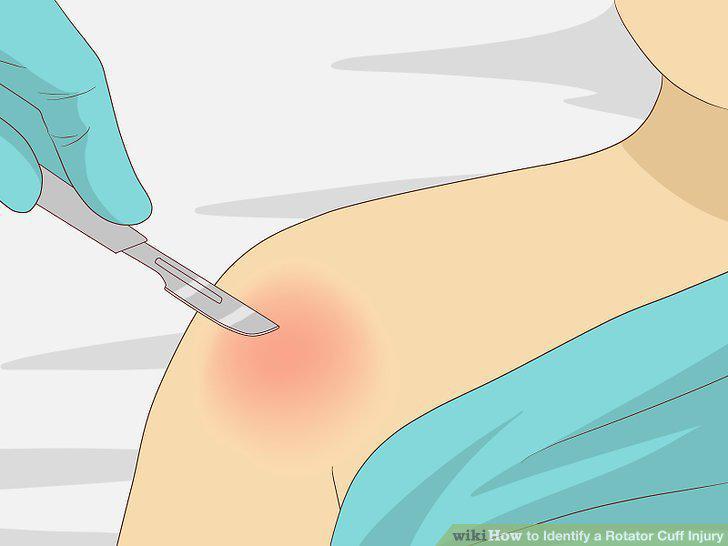
Get shoulder surgery as a last resort if your doctor recommends it.
Comments (0)
No comments yet. Be the first to share your thoughts!