How to Explain Autism to People
Know what the general definition of autism is.. Learn what autistic people have to say about autism.. Understand that every autistic person is unique.
Steps
Know what the general definition of autism is.
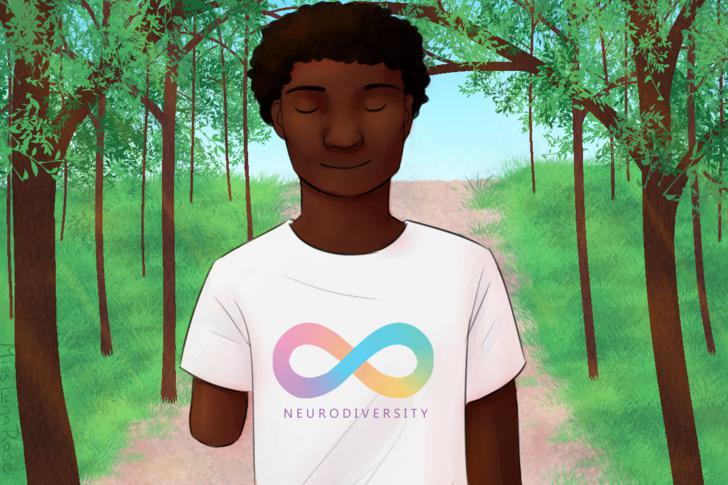
Know what the general definition of autism is.
Learn what autistic people have to say about autism.
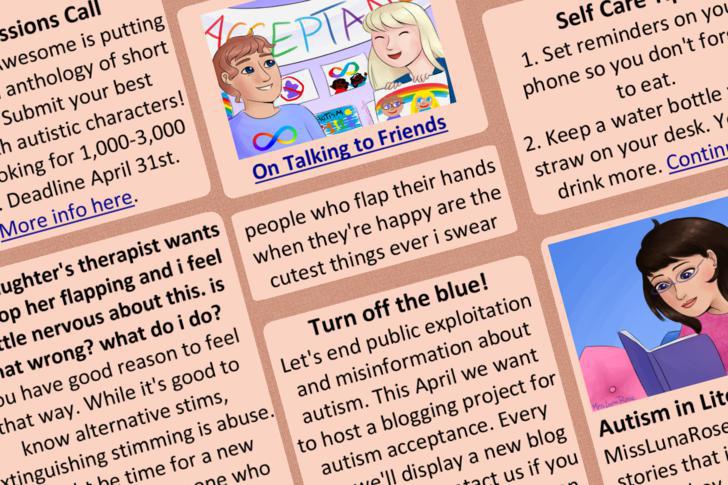
Learn what autistic people have to say about autism.
Understand that every autistic person is unique.
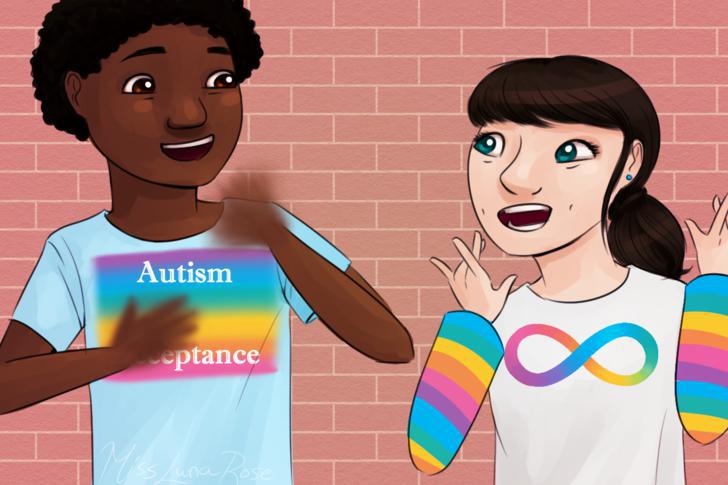
Understand that every autistic person is unique.
Be aware of communication differences.
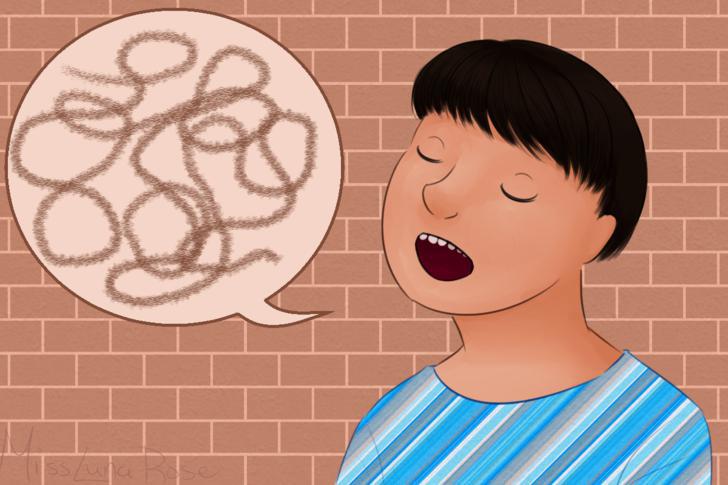
Be aware of communication differences.
Understand that autistic people interact differently with the world around them.

Understand that autistic people interact differently with the world around them.
Realize that autistic people generally enjoy structure.
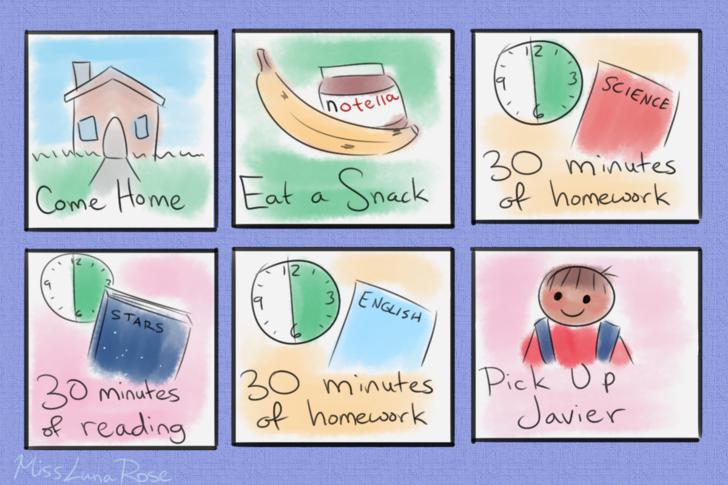
Realize that autistic people generally enjoy structure.
Explain that autistic people may act a little differently, and this is okay.
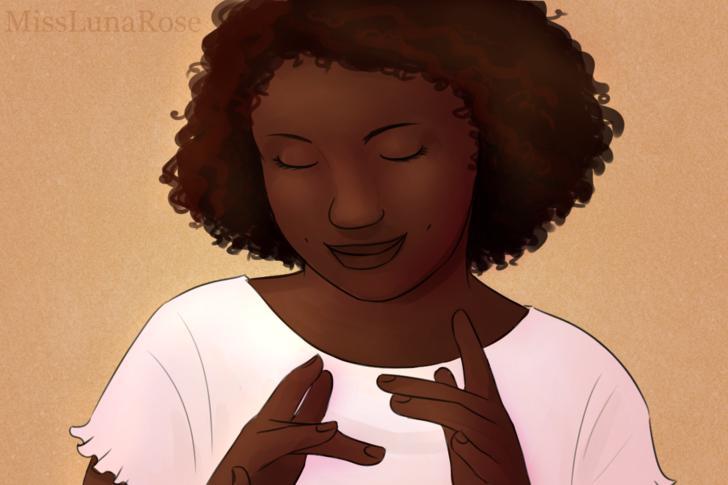
Explain that autistic people may act a little differently, and this is okay.
Mention that the autistic person may not make eye contact.
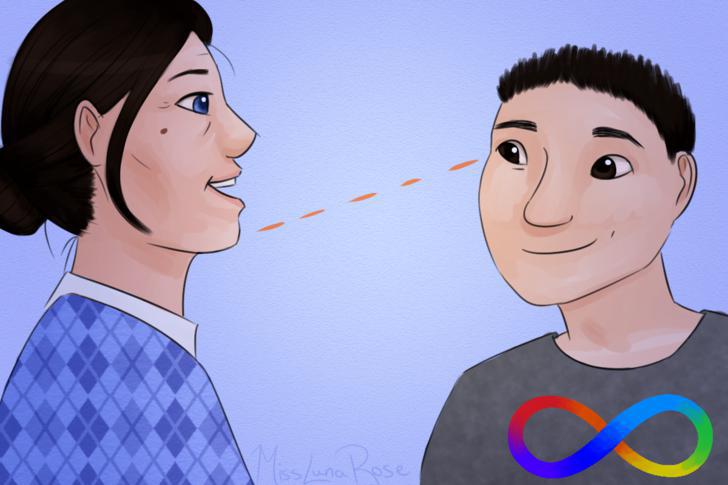
Mention that the autistic person may not make eye contact.
Explain that autistic people are different, not necessarily disinterested.
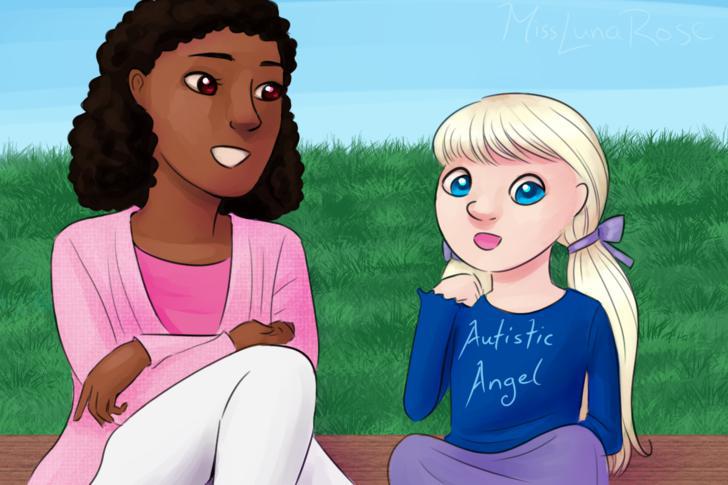
Explain that autistic people are different, not necessarily disinterested.
Make it clear that some autistic people are nonspeaking.
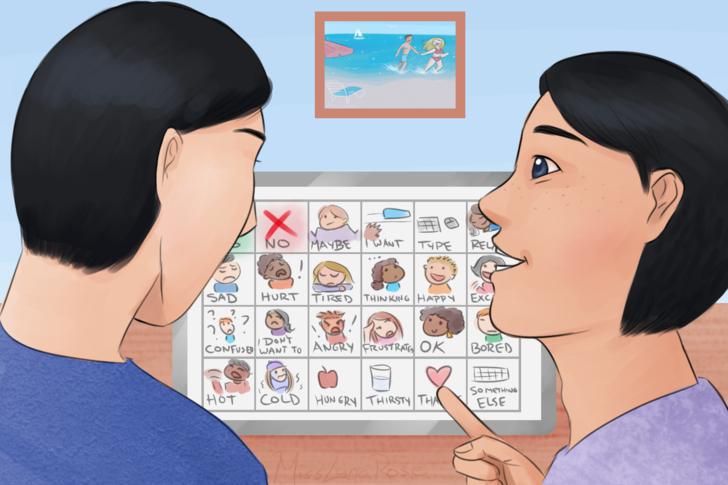
Make it clear that some autistic people are nonspeaking.
Note that the autistic person may not understand sarcasm, humor, or tone.

Note that the autistic person may not understand sarcasm, humor, or tone.
Help the person to understand that autistic people may show empathy differently.

Help the person to understand that autistic people may show empathy differently.
Tell the person about the intense passions that accompany autism.

Tell the person about the intense passions that accompany autism.
Express to the person that autistic people may not notice if someone is disinter
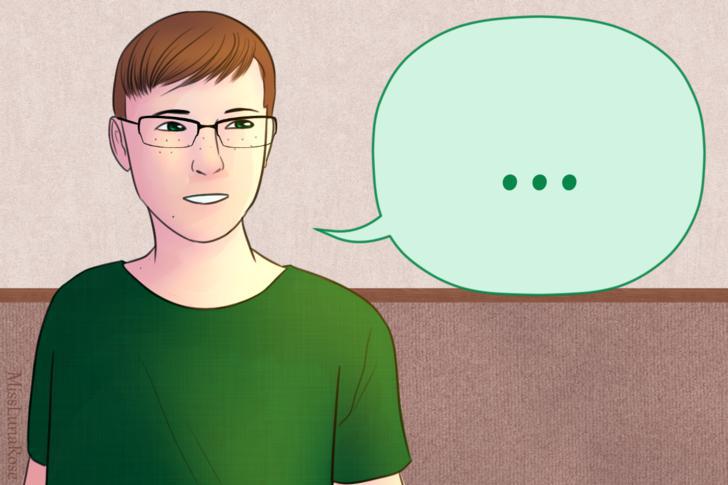
Express to the person that autistic people may not notice if someone is disinterested in a conversation.
Help the person to understand that autistic people have feelings like everyone e
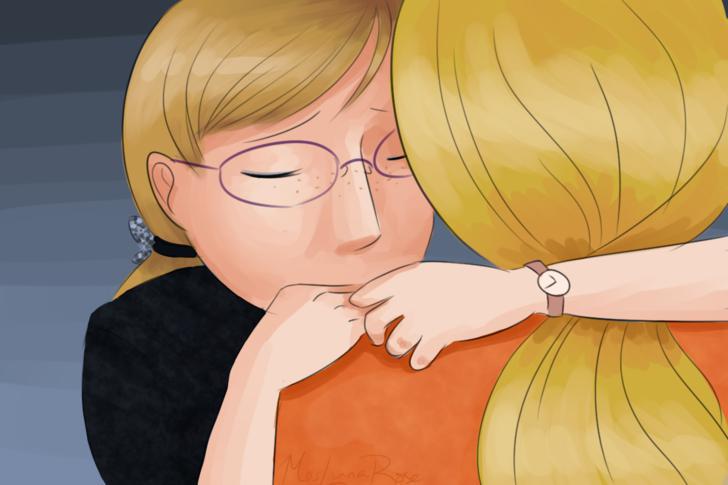
Help the person to understand that autistic people have feelings like everyone else.
Explain that some autistic people cannot handle physical touch.
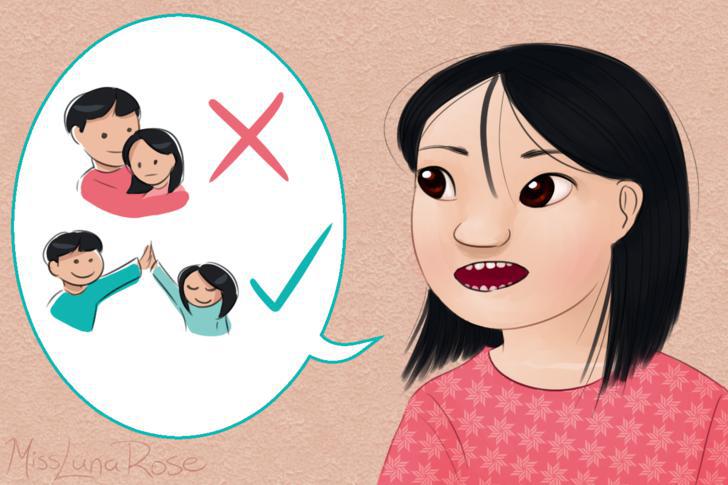
Explain that some autistic people cannot handle physical touch.
Explain that many autistic people struggle with sensory sensitivities, sometimes
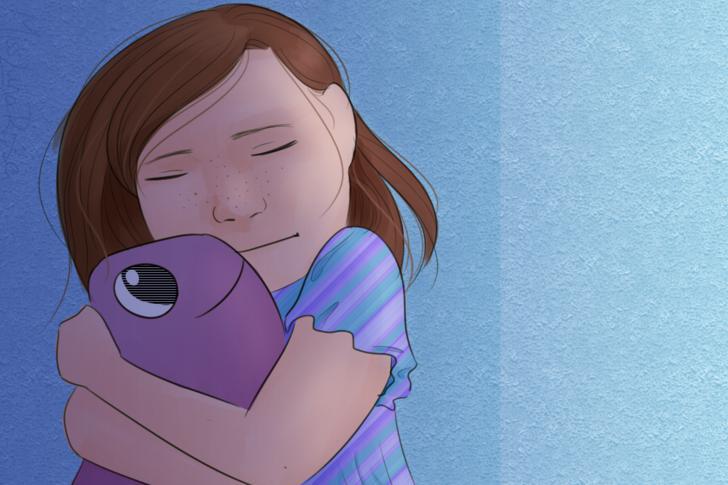
Explain that many autistic people struggle with sensory sensitivities, sometimes painful ones.
Express to the person that it is easier to handle stimuli when the autistic pers
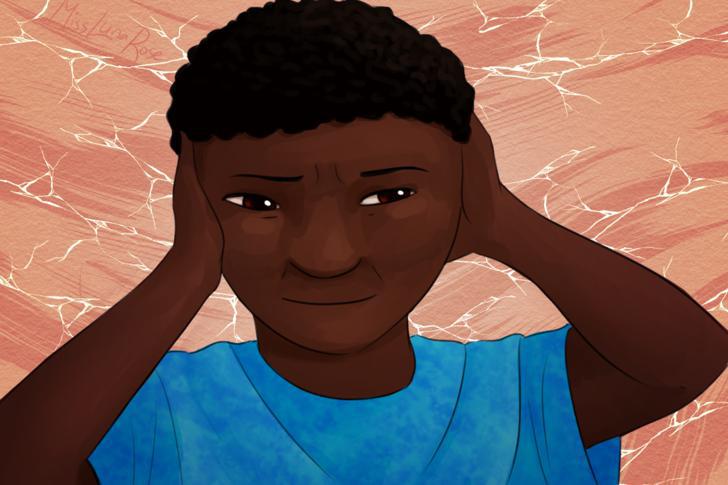
Express to the person that it is easier to handle stimuli when the autistic person has warning to prepare.
Mention that the autistic person may fidget in unusual ways.
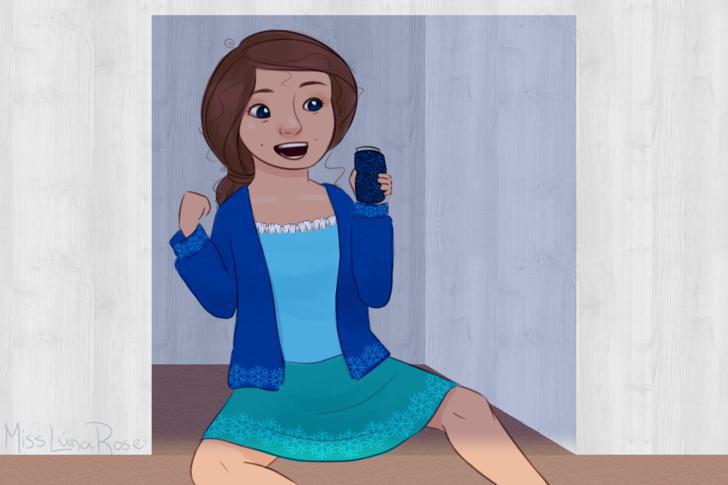
Mention that the autistic person may fidget in unusual ways.
Emphasize that stimming is important for an autistic person's well-being.
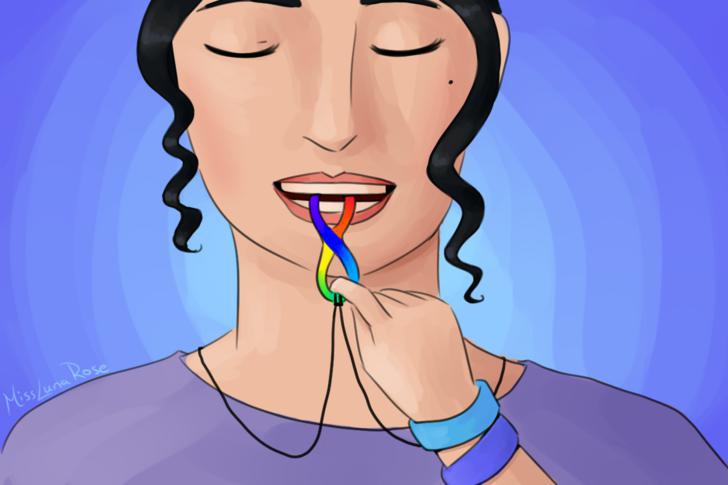
Emphasize that stimming is important for an autistic person's well-being.
Make sure your child is ready to have the discussion.
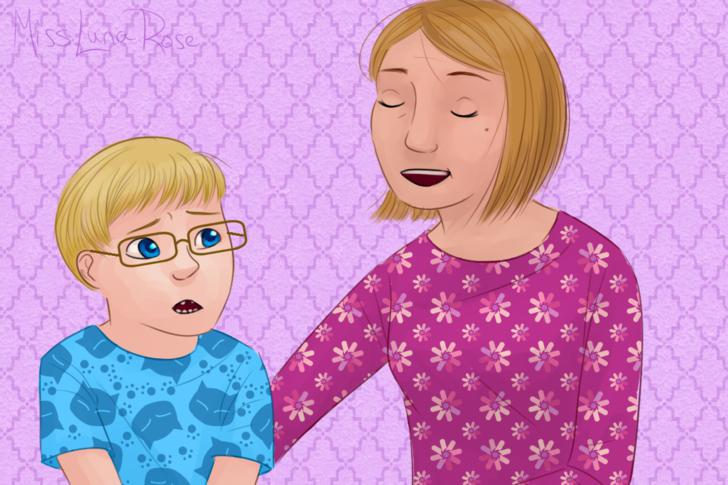
Make sure your child is ready to have the discussion.
Explain to your child that autism is nothing to feel sad about.

Explain to your child that autism is nothing to feel sad about.
Encourage your child.
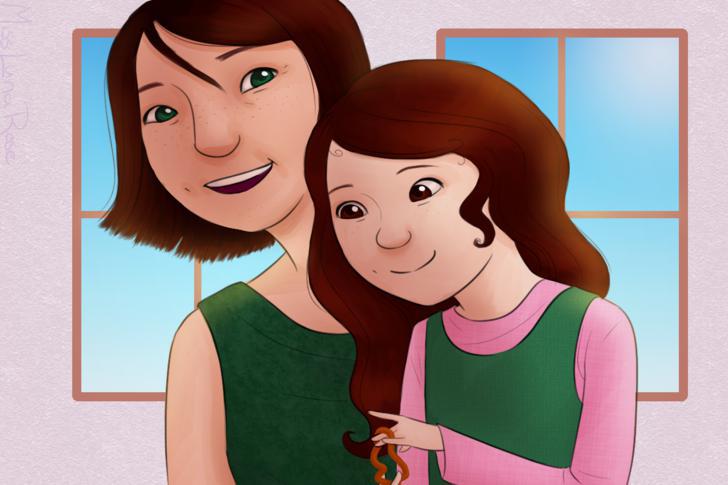
Encourage your child.
Make sure to express your love for your autistic child.
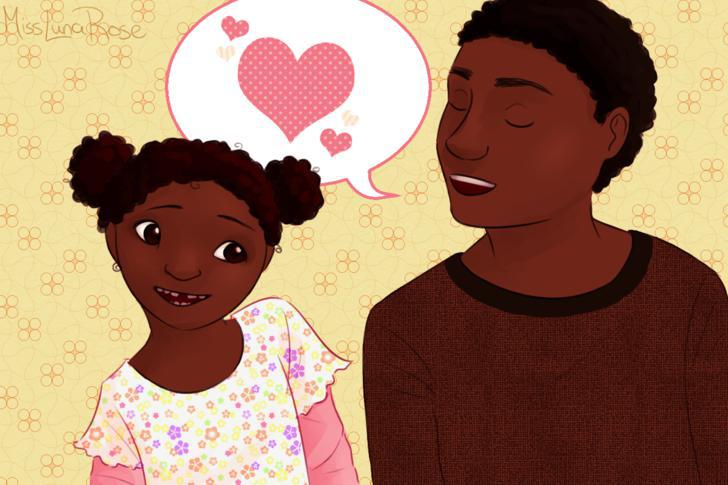
Make sure to express your love for your autistic child.
Comments (0)
No comments yet. Be the first to share your thoughts!