How to Diagnose Pulmonary Embolism
Recognize the signs and symptoms of a potential pulmonary embolism.. Seek treatment if you have signs of an already-present DVT (deep venous thrombosis).. Consider your risk factors.
Steps
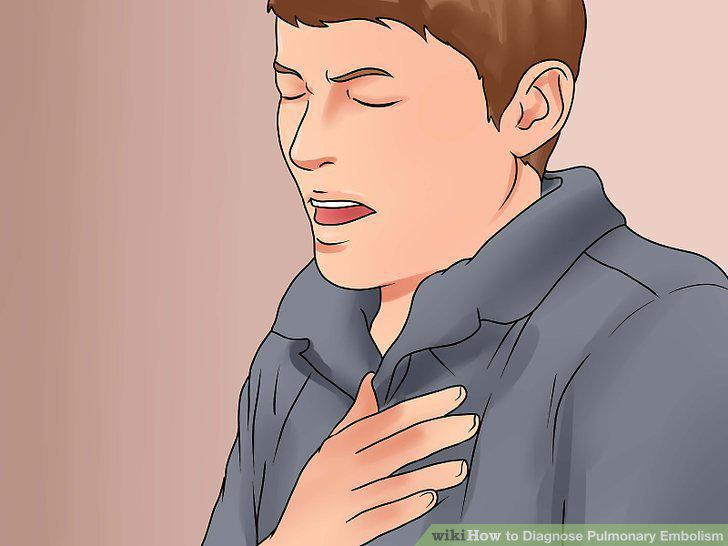
Recognize the signs and symptoms of a potential pulmonary embolism.

Recognize the signs and symptoms of a potential pulmonary embolism.
Seek treatment if you have signs of an already-present DVT (deep venous thrombos
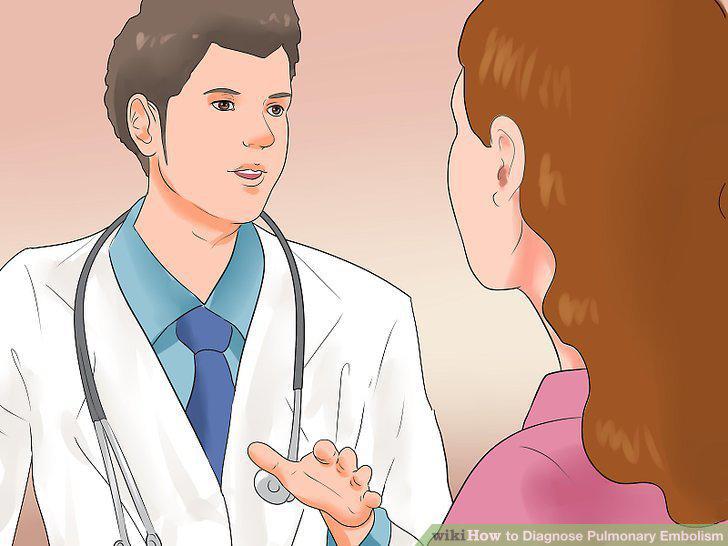
Seek treatment if you have signs of an already-present DVT (deep venous thrombosis).
Consider your risk factors.
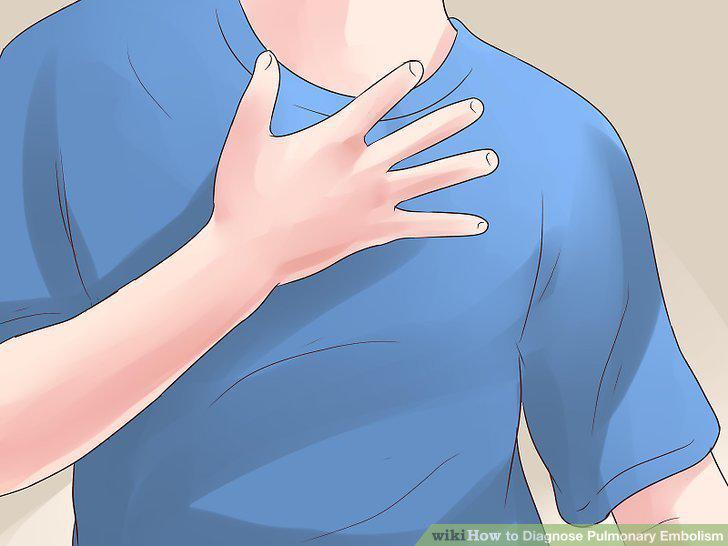
Consider your risk factors.
Get blood tests.
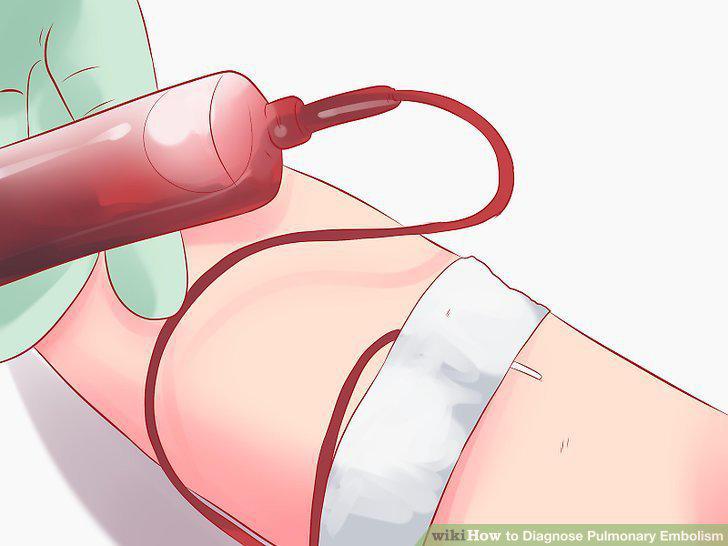
Get blood tests.
Have an electrocardiogram, or ongoing cardiac monitoring.
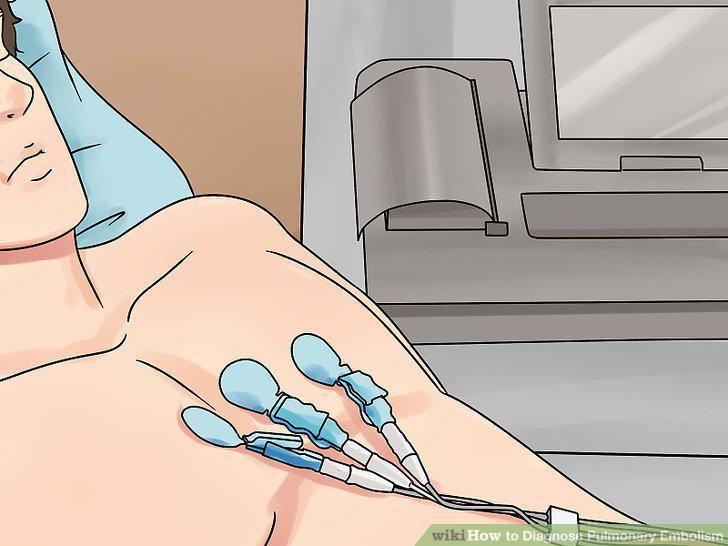
Have an electrocardiogram, or ongoing cardiac monitoring.
Receive a CT angio scan.
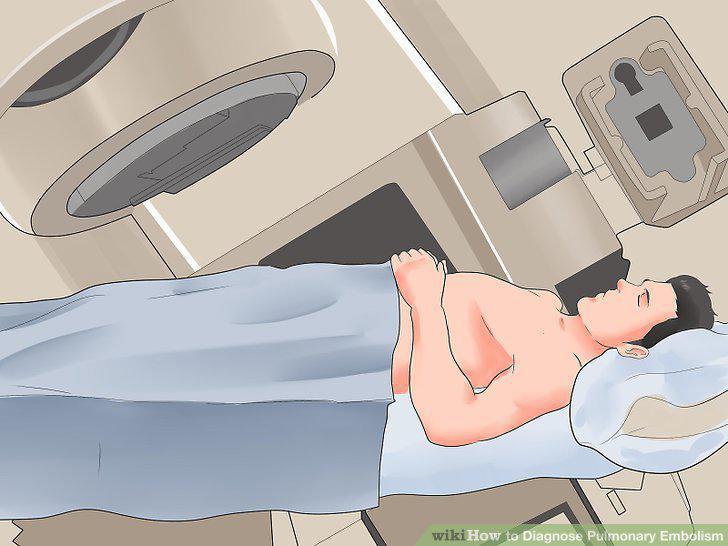
Receive a CT angio scan.
Opt for a V/Q (ventilation-perfusion) scan.
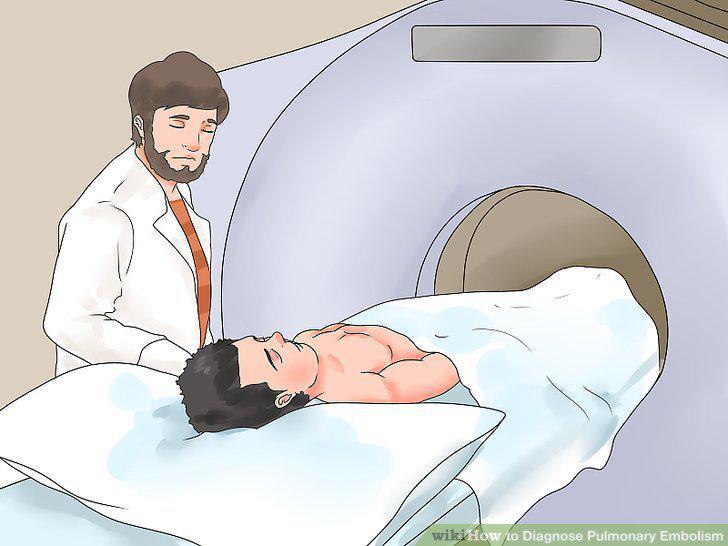
Opt for a V/Q (ventilation-perfusion) scan.
Ask your doctor for a pulmonary angiography.
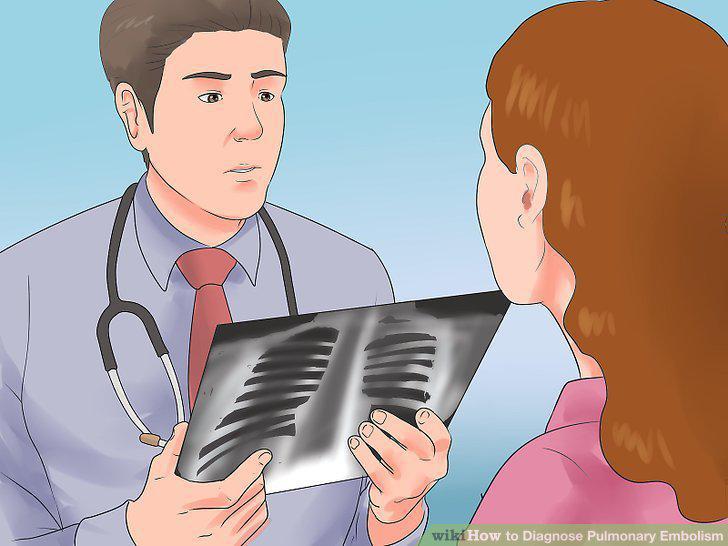
Ask your doctor for a pulmonary angiography.
Take an anticoagulant (blood thinning) medication.
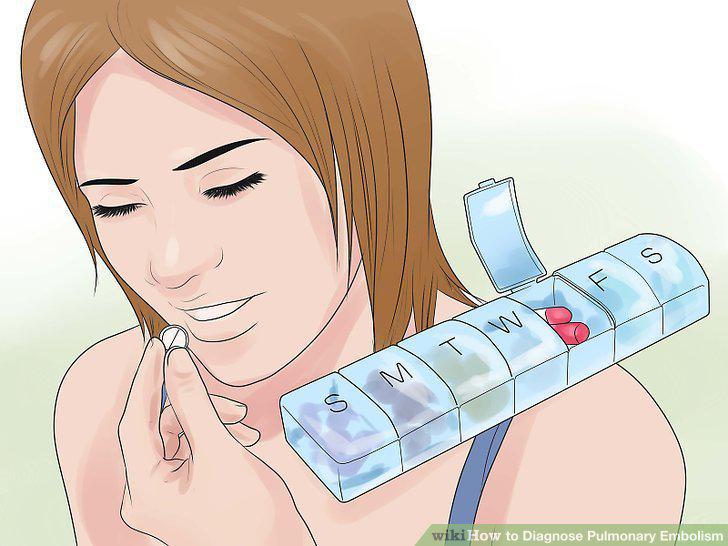
Take an anticoagulant (blood thinning) medication.
Opt for thrombolytic therapy.
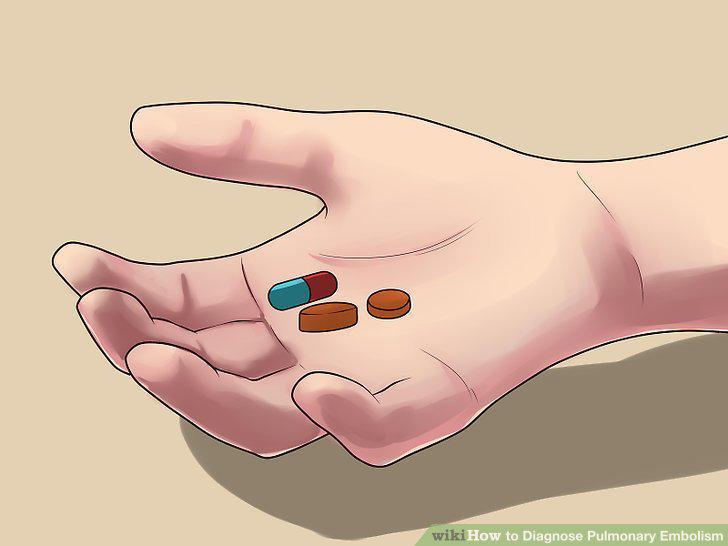
Opt for thrombolytic therapy.
Have a clot filter inserted to prevent future emboli (clots).
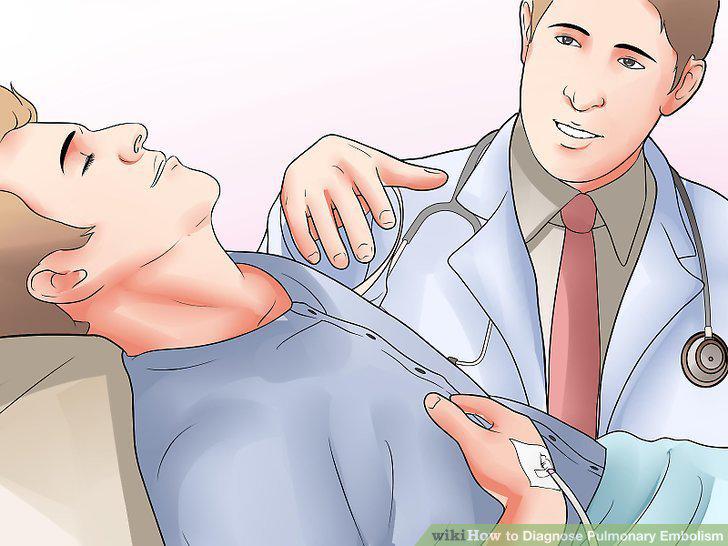
Have a clot filter inserted to prevent future emboli (clots).
Ask about catheter-directed thrombolysis.
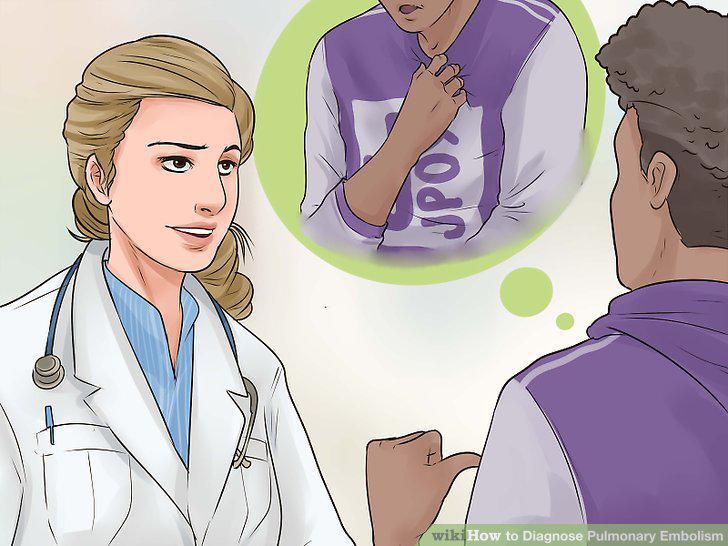
Ask about catheter-directed thrombolysis.
Receive a surgical embolectomy.
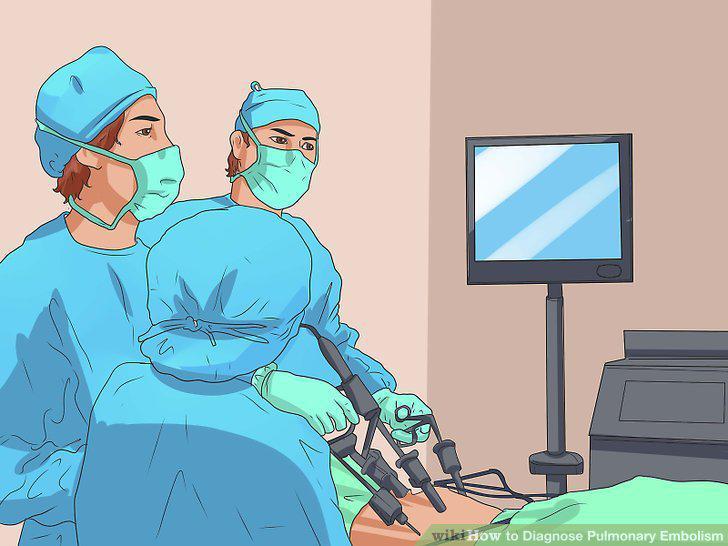
Receive a surgical embolectomy.
Determine the underlying cause.
Determine the underlying cause.
Comments (0)
No comments yet. Be the first to share your thoughts!