How to Handle Annoyances with an Autistic Person
Try to differentiate between things the person can and can't control.. Remember that different isn't always wrong.. Consider the person's age and emotional regulation skills.
Steps
Try to differentiate between things the person can and can't control.
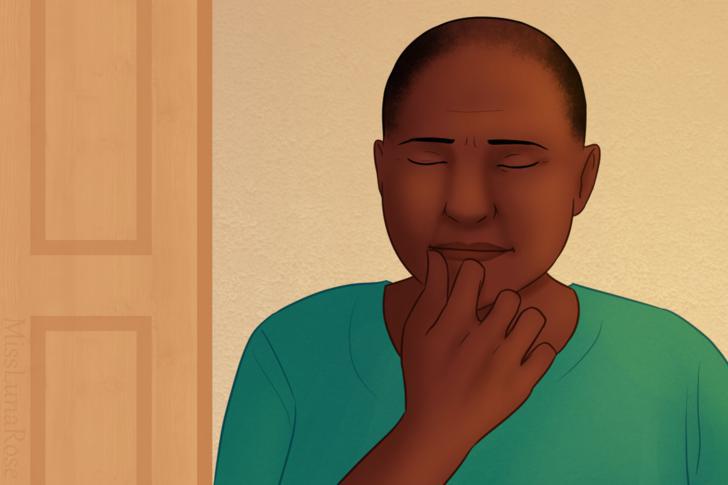
Try to differentiate between things the person can and can't control.
Remember that different isn't always wrong.
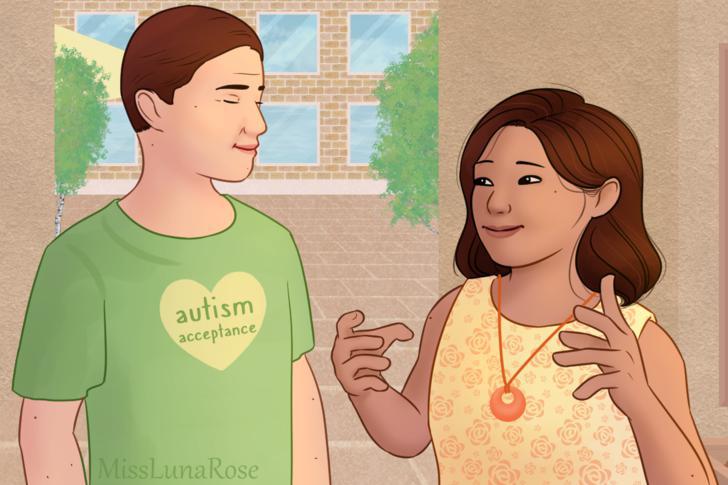
Remember that different isn't always wrong.
Consider the person's age and emotional regulation skills.
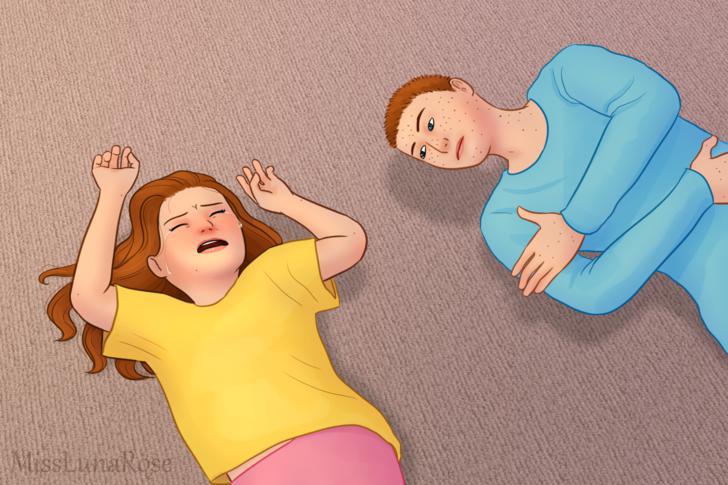
Consider the person's age and emotional regulation skills.
Take a moment to think about your own thoughts and feelings.
Take a moment to think about your own thoughts and feelings.
Recognize things that would only make it worse.
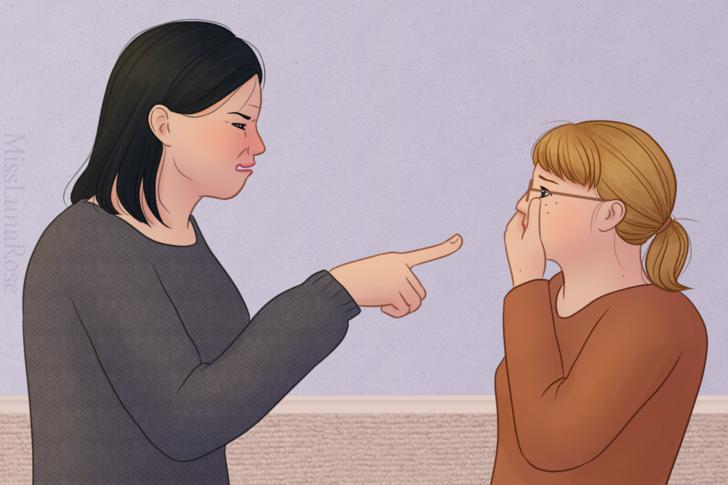
Recognize things that would only make it worse.
Be proactive about stressful situations.
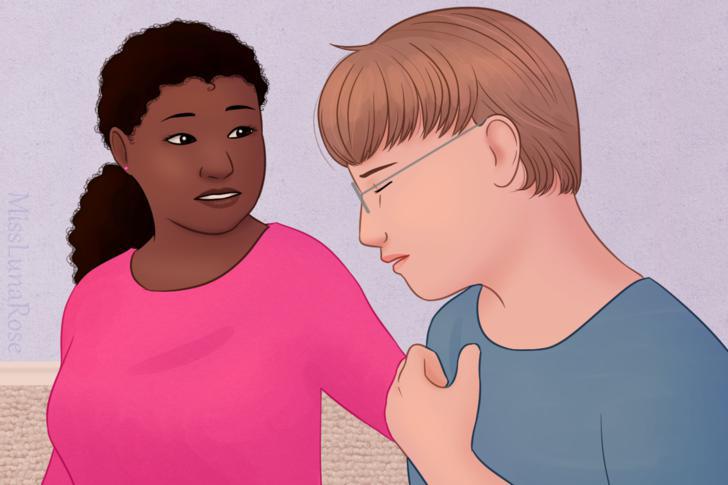
Be proactive about stressful situations.
Try repairing the relationship through a little extra empathy and kindness.
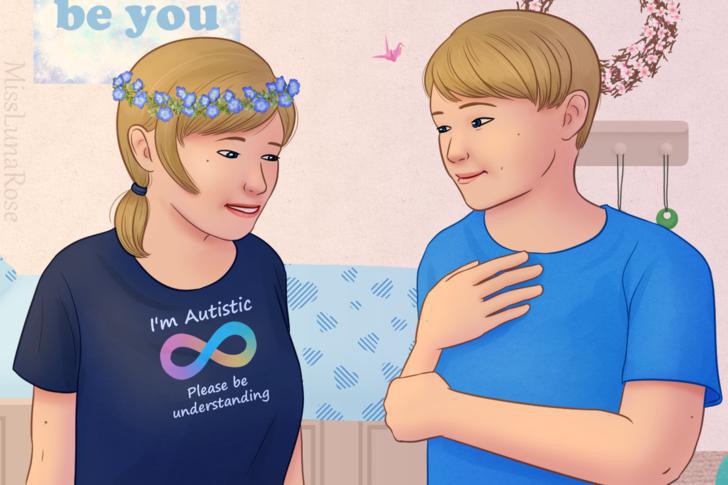
Try repairing the relationship through a little extra empathy and kindness.
Ask a mentor for help if you're struggling with how to approach it.
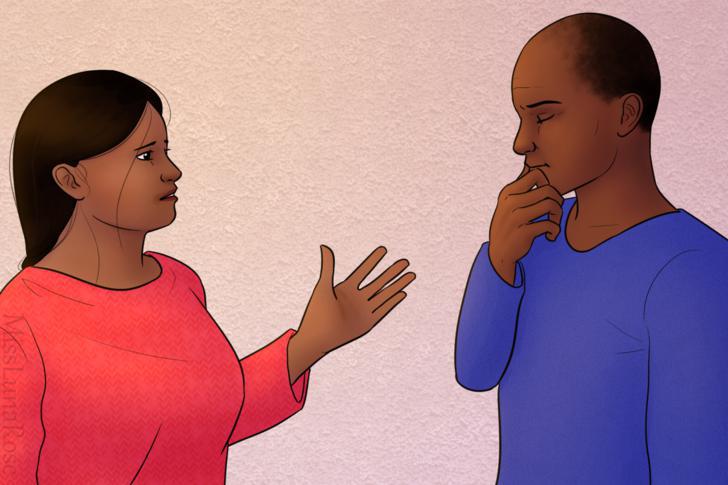
Ask a mentor for help if you're struggling with how to approach it.
Refuse to make the person feel bad for things outside their control.
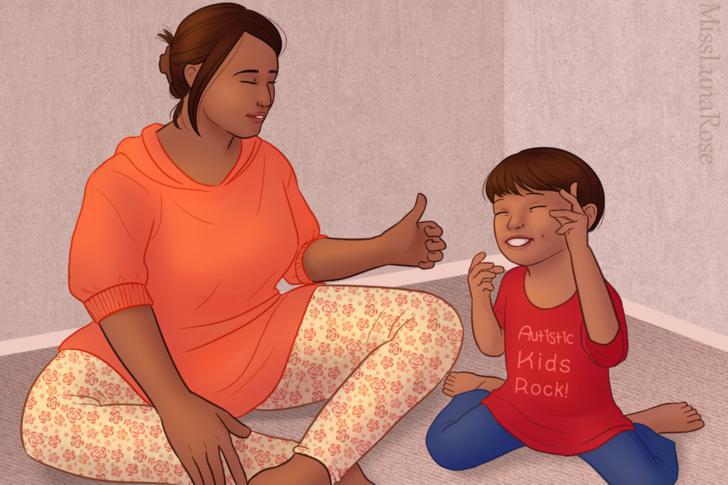
Refuse to make the person feel bad for things outside their control.
Assume that all displays of pain and distress are real.
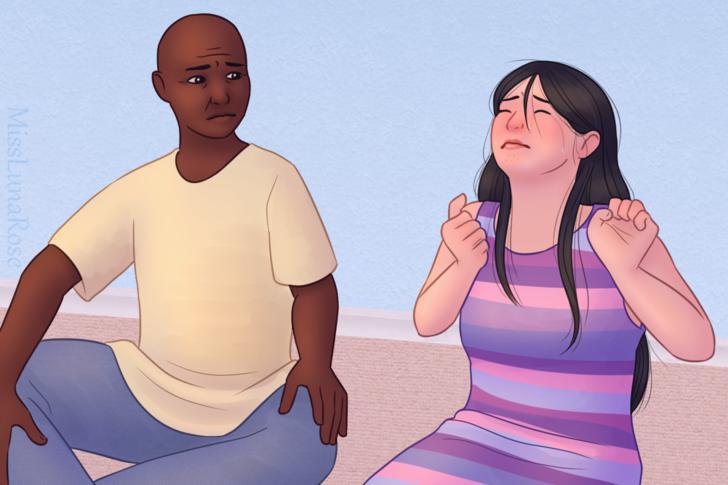
Assume that all displays of pain and distress are real.
Walk away if you're getting irritated or upset.
Walk away if you're getting irritated or upset.
Use your words politely if they notice what's going on or you think an explanati
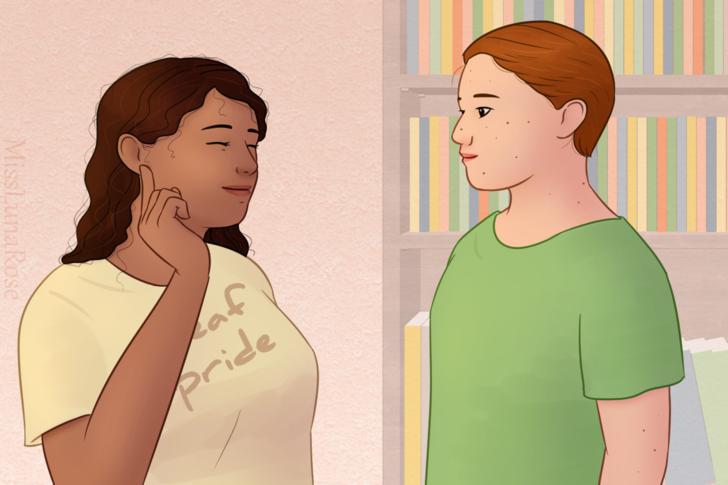
Use your words politely if they notice what's going on or you think an explanation could help.
Consider their self-esteem, self-awareness, and history before you have a talk.
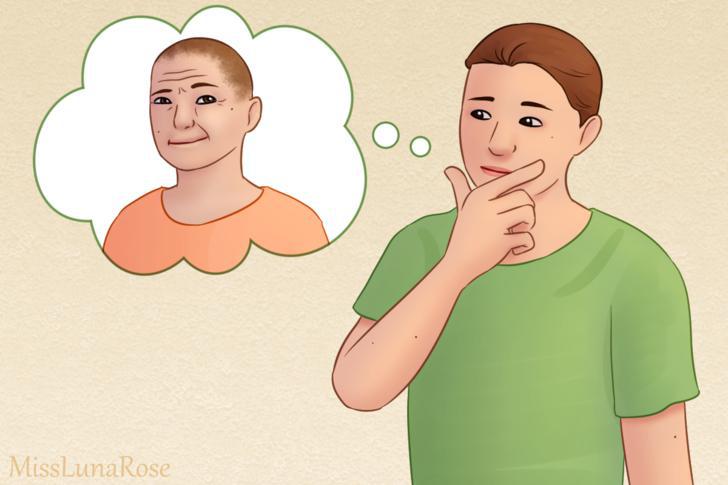
Consider their self-esteem, self-awareness, and history before you have a talk.
Choose a good time to talk.
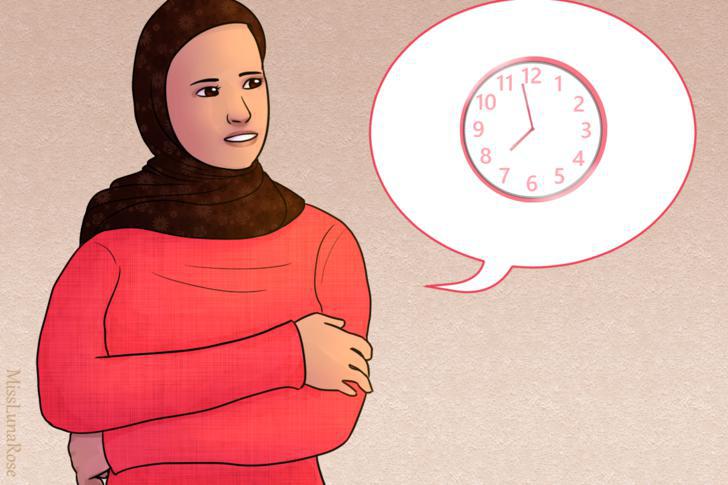
Choose a good time to talk.
Clearly label the behavior that bothers you.
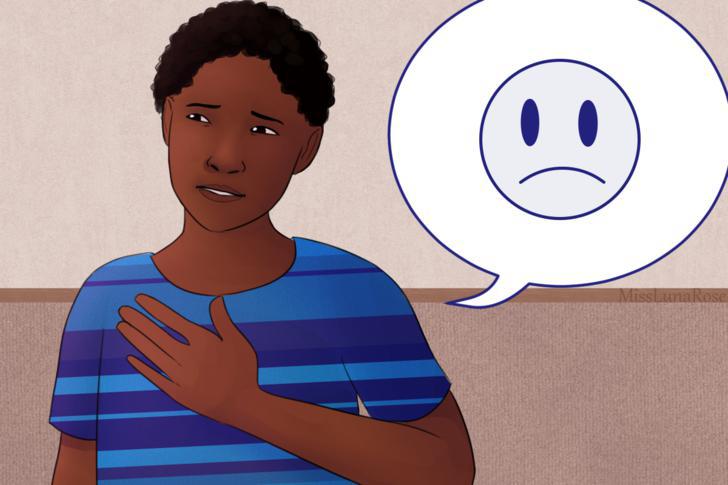
Clearly label the behavior that bothers you.
Affirm them if they seem sad or nervous.
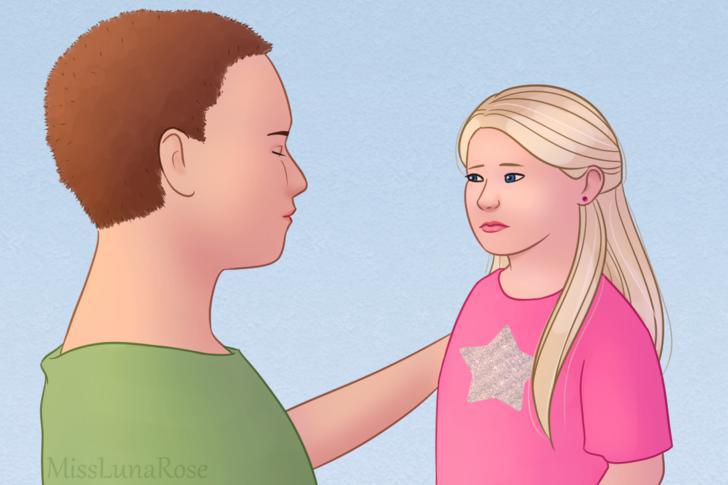
Affirm them if they seem sad or nervous.
Offer solutions that work for both of you if it may help.
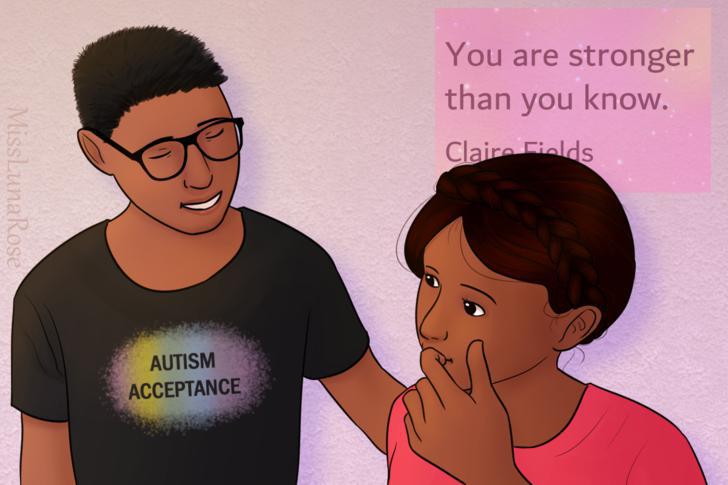
Offer solutions that work for both of you if it may help.
Be direct and non-aggressive if they do it again.
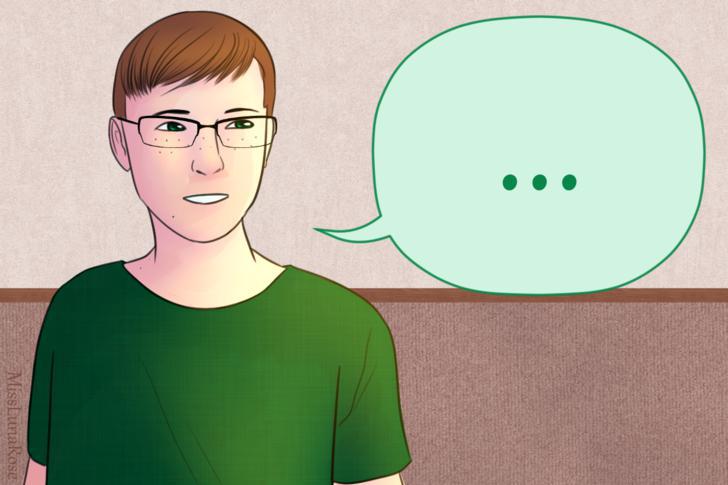
Be direct and non-aggressive if they do it again.
Ask responsible adults for help if things are going wrong.
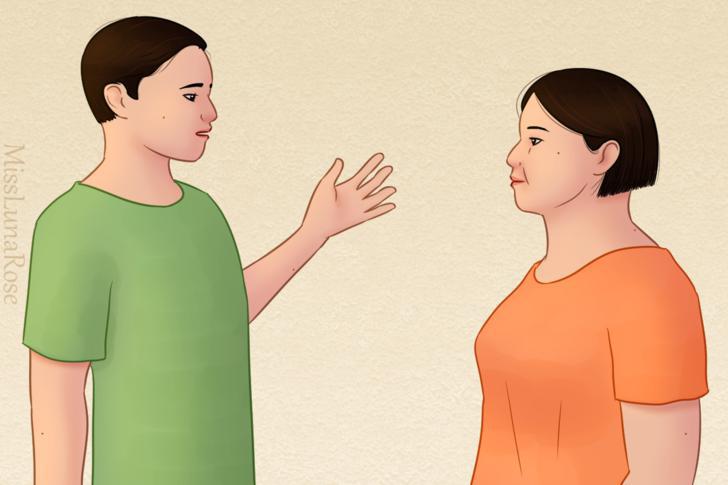
Ask responsible adults for help if things are going wrong.
Affirm the person as they work on changing their behavior.
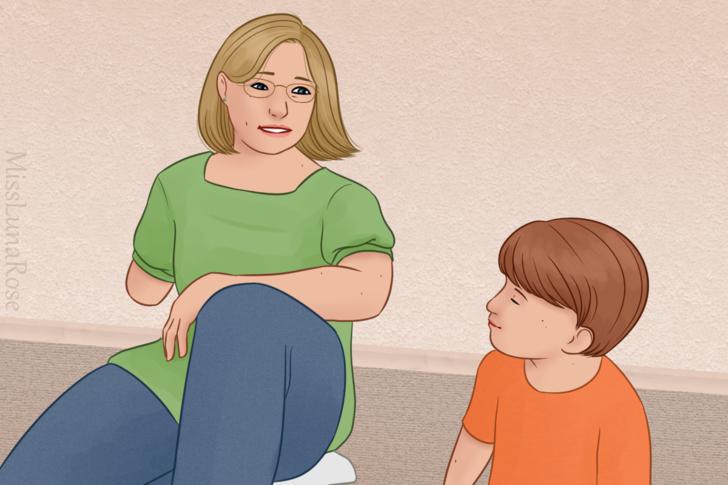
Affirm the person as they work on changing their behavior.
Comments (0)
No comments yet. Be the first to share your thoughts!