How to Distinguish Between Autism and Other Conditions
Know the signs of autism.. Recognize that autism is an inborn and lifelong condition.. Understand the diversity of autistic experiences.
Steps
Know the signs of autism.
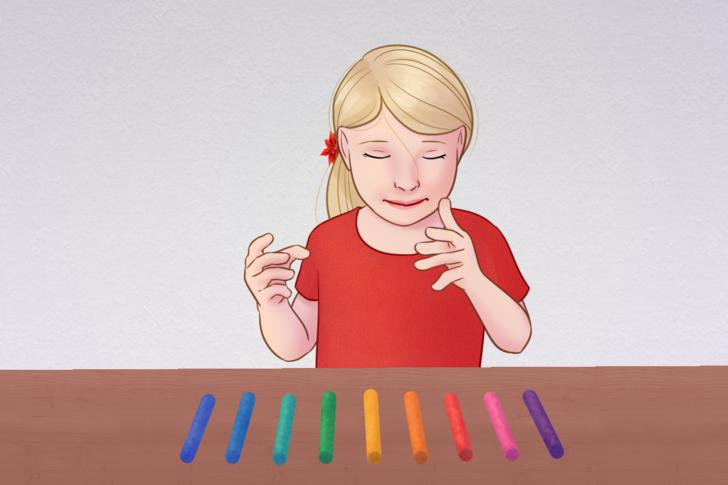
Know the signs of autism.
Recognize that autism is an inborn and lifelong condition.
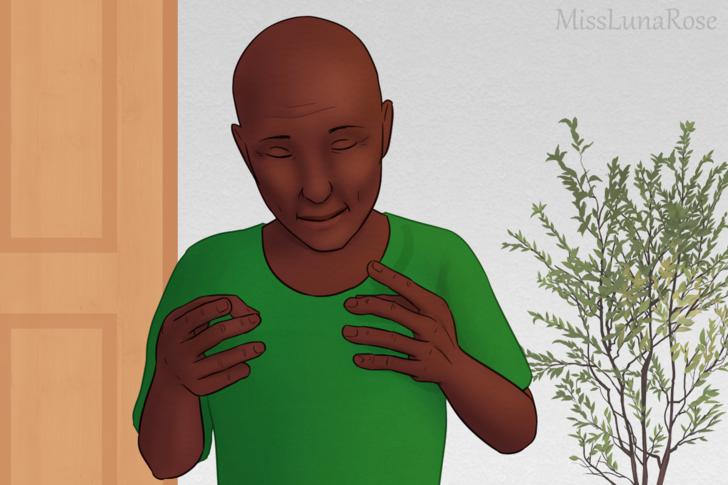
Recognize that autism is an inborn and lifelong condition.
Understand the diversity of autistic experiences.

Understand the diversity of autistic experiences.
Avoid believing the myths about autism.
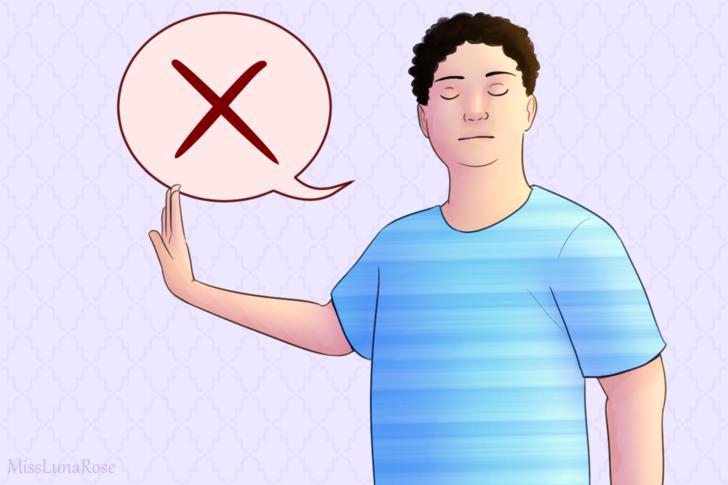
Avoid believing the myths about autism.
Remember that autism isn't the end of the world.
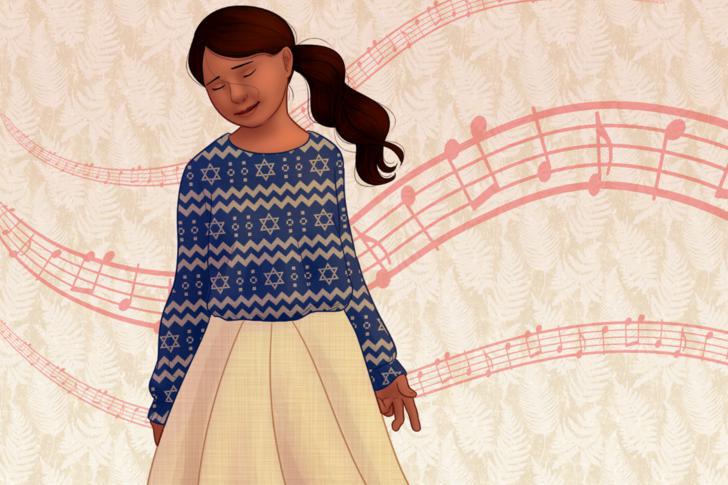
Remember that autism isn't the end of the world.
Distinguish between autism and social anxiety.
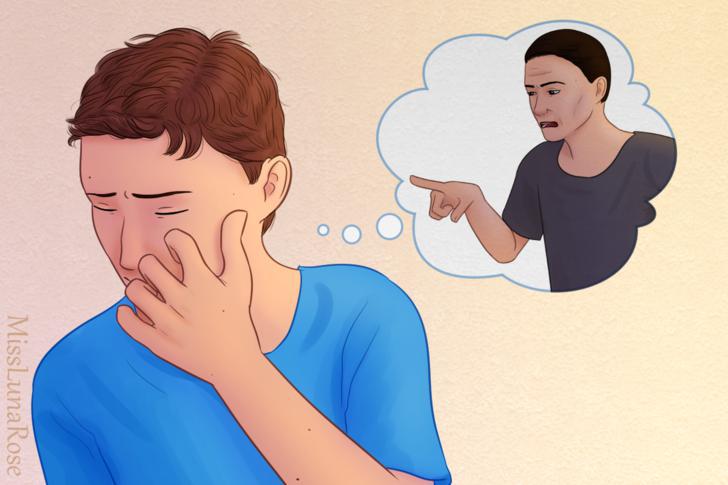
Distinguish between autism and social anxiety.
Distinguish between autism and selective mutism.
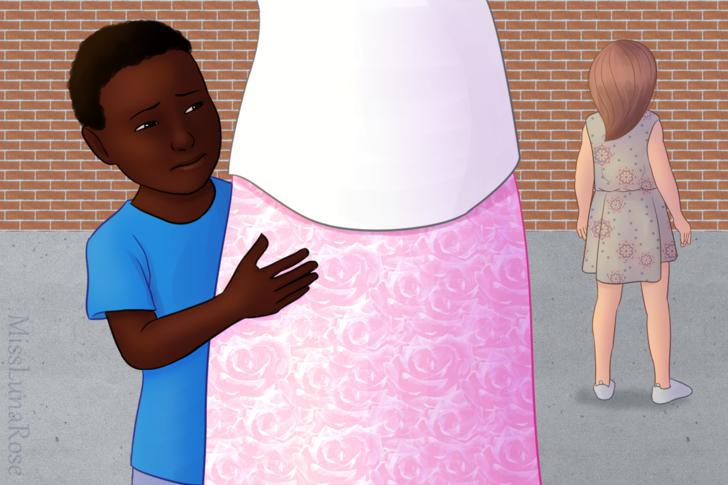
Distinguish between autism and selective mutism.
Distinguish between autism and complex PTSD (CPTSD).
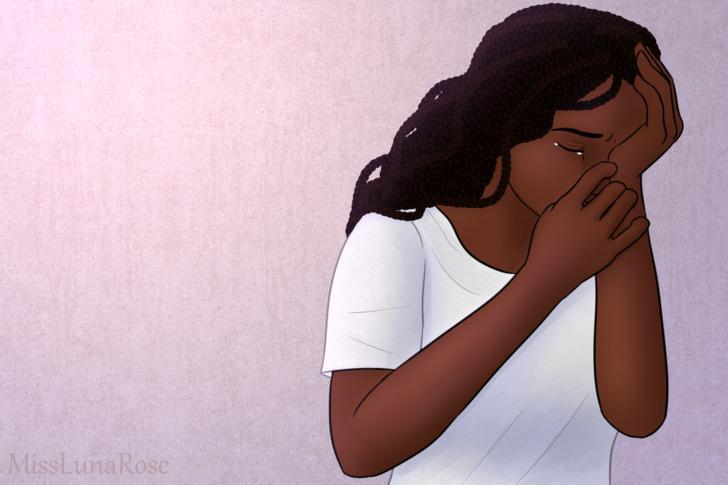
Distinguish between autism and complex PTSD (CPTSD).
Distinguish between autism and Obsessive-Compulsive Disorder (OCD).
Distinguish between autism and Obsessive-Compulsive Disorder (OCD).
Distinguish between autism and bipolar disorder.
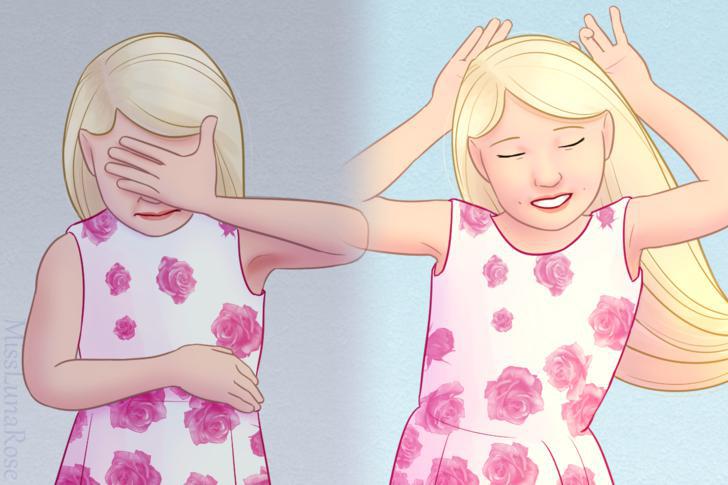
Distinguish between autism and bipolar disorder.
Distinguish between autism and schizoid personality disorder (SzPD).
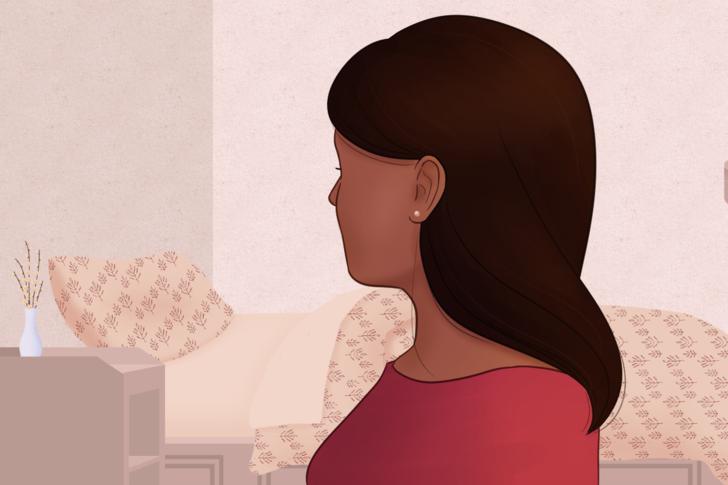
Distinguish between autism and schizoid personality disorder (SzPD).
Distinguish between autism and Schizotypal Personality Disorder (StPD).
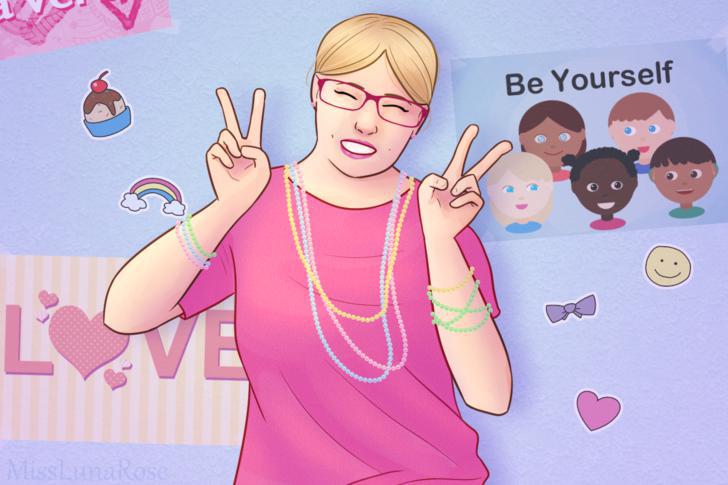
Distinguish between autism and Schizotypal Personality Disorder (StPD).
Distinguish between autism and avoidant personality disorder (AvPD).

Distinguish between autism and avoidant personality disorder (AvPD).
Distinguish between autism and Borderline Personality Disorder (BPD).
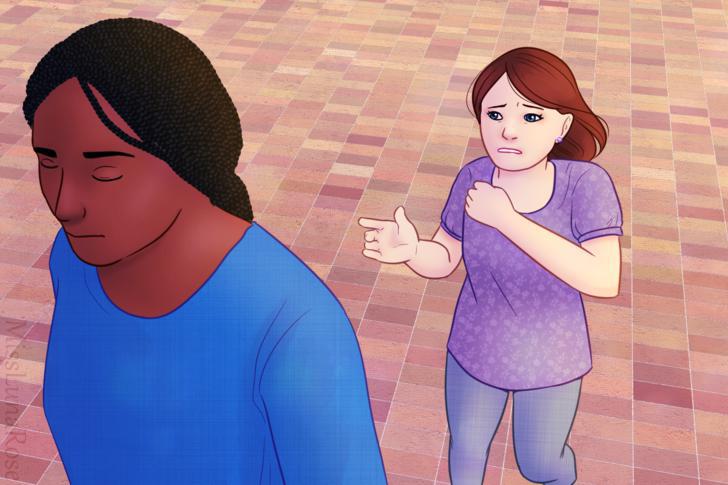
Distinguish between autism and Borderline Personality Disorder (BPD).
Distinguish between autism and Obsessive Compulsive Personality Disorder (OCPD).
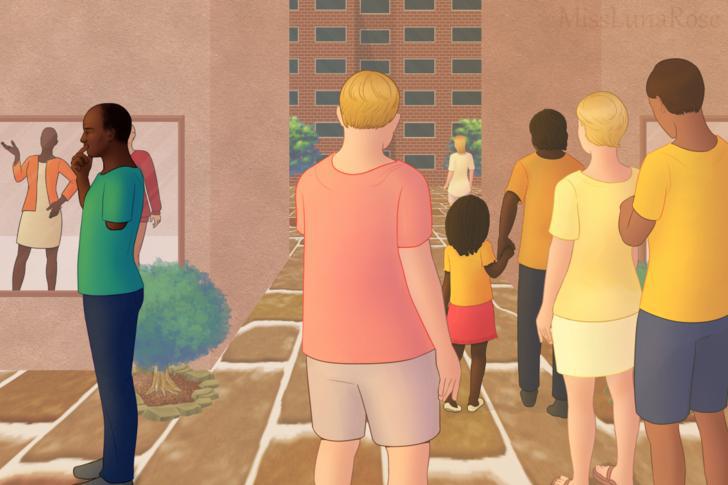
Distinguish between autism and Obsessive Compulsive Personality Disorder (OCPD).
Know the signs of other personality disorders that could be mistaken for autism.
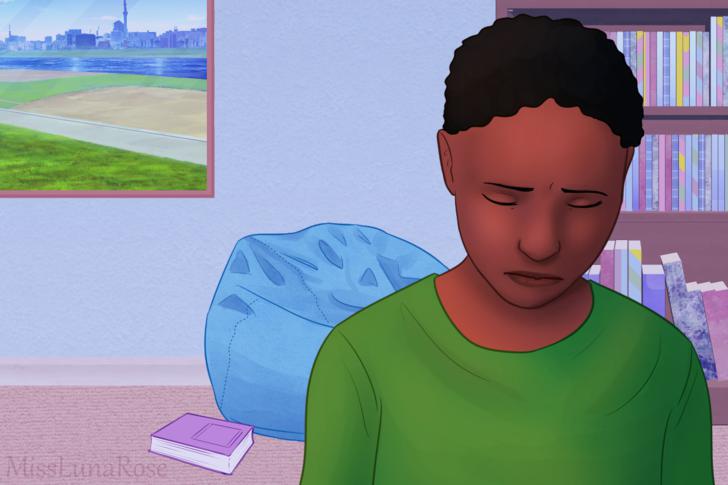
Know the signs of other personality disorders that could be mistaken for autism.
Distinguish between autism and Sensory Processing Disorder (SPD).
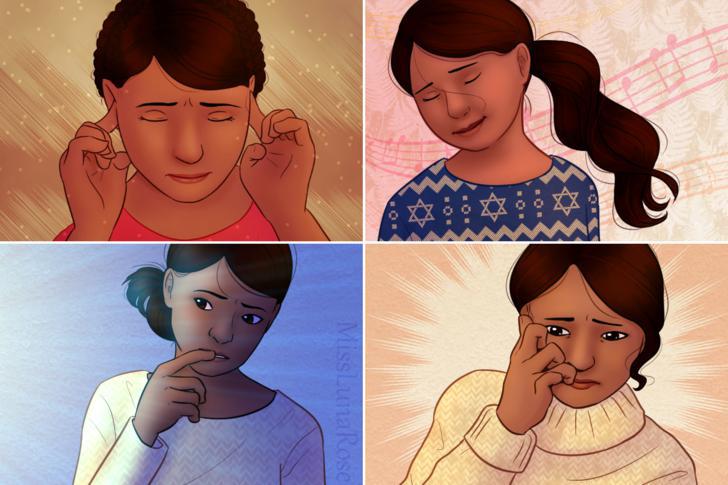
Distinguish between autism and Sensory Processing Disorder (SPD).
Distinguish between autism and ADHD.
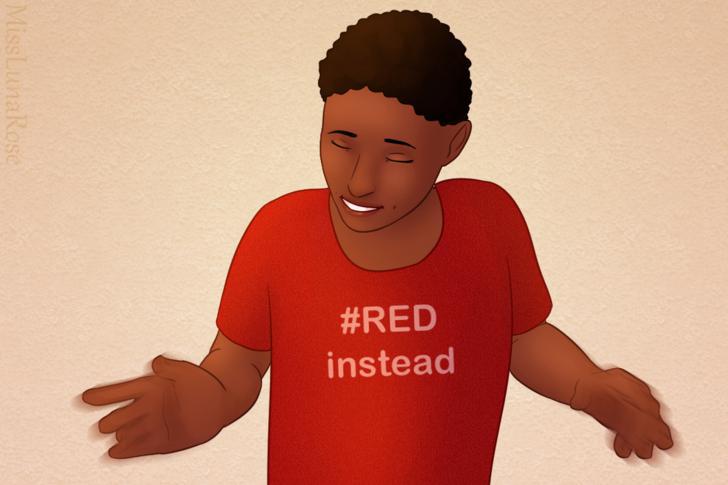
Distinguish between autism and ADHD.
Distinguish between autism and Nonverbal Learning Disability (NVLD).
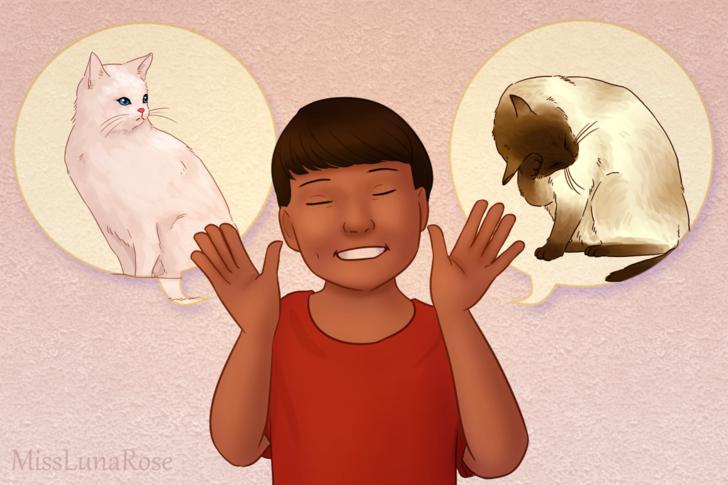
Distinguish between autism and Nonverbal Learning Disability (NVLD).
Distinguish between autism and Social Communication Disorder (SCD).
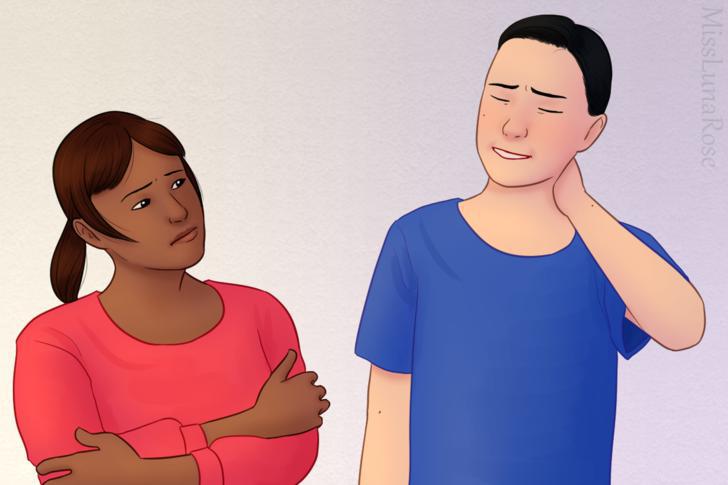
Distinguish between autism and Social Communication Disorder (SCD).
Distinguish between autism and Reactive Attachment Disorder (RAD) in children.
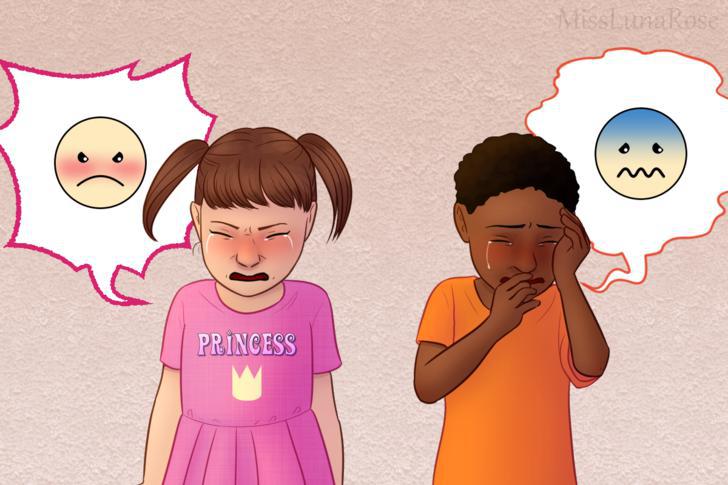
Distinguish between autism and Reactive Attachment Disorder (RAD) in children.
Distinguish between autism and alexithymia.
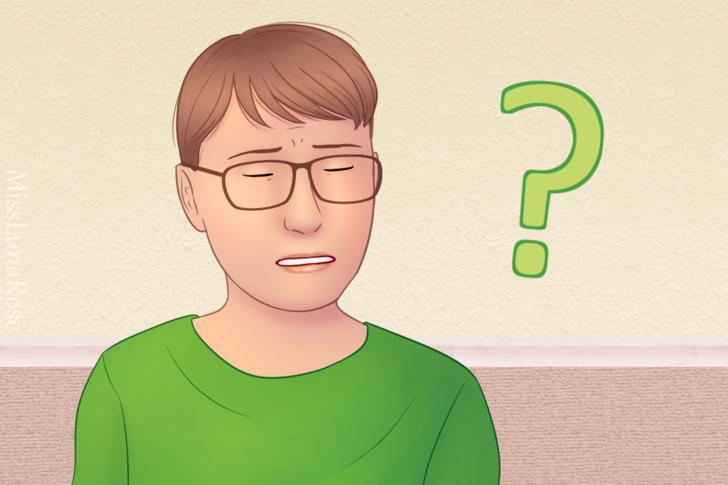
Distinguish between autism and alexithymia.
Notice physical issues and differences that could cause autistic-like behavior.
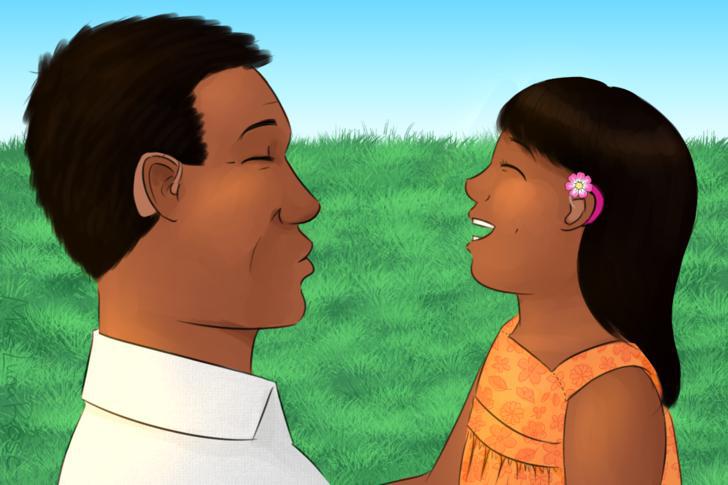
Notice physical issues and differences that could cause autistic-like behavior.
Distinguish between autism and tic disorders.
Distinguish between autism and tic disorders.
Distinguish between autism and rare conditions.
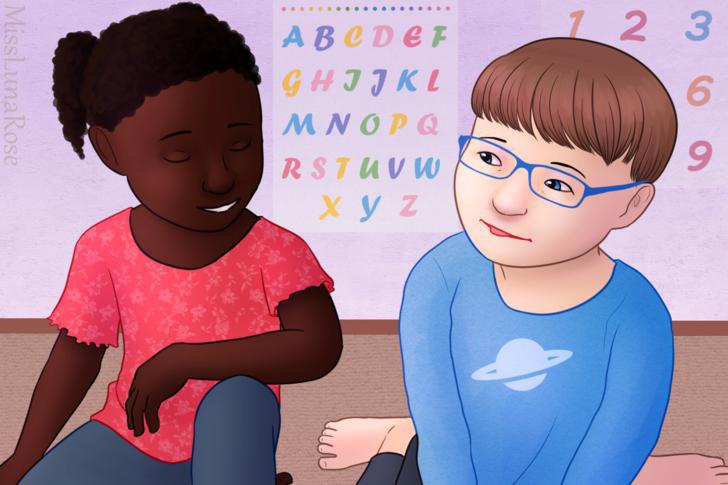
Distinguish between autism and rare conditions.
Distinguish between autism and personality traits.

Distinguish between autism and personality traits.
Recognize that it's possible to have a condition not mentioned in this article.
Recognize that it's possible to have a condition not mentioned in this article.
Recognize that it's possible to have more than one condition.
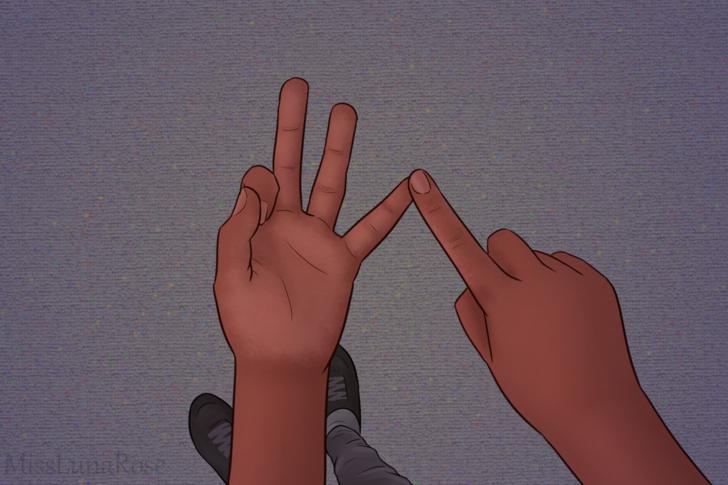
Recognize that it's possible to have more than one condition.
Research any conditions and traits that sound like you or your loved one, even i
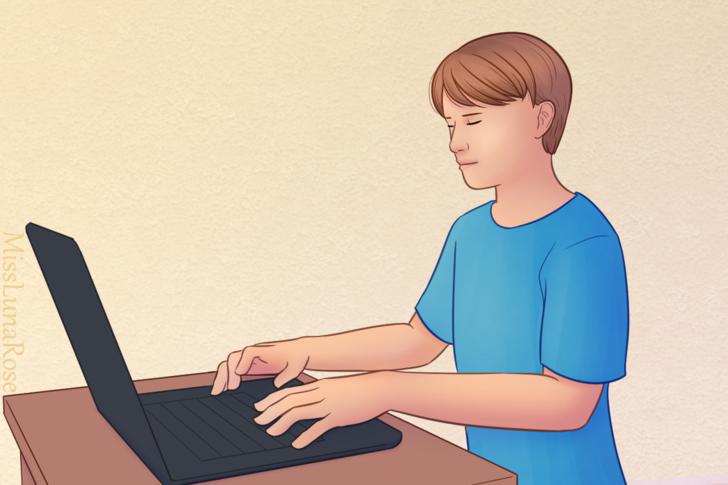
Research any conditions and traits that sound like you or your loved one, even if you suspect autism.
Write down your or your loved one's unusual traits.

Write down your or your loved one's unusual traits.
Talk to a doctor or specialist about pursuing a diagnosis.
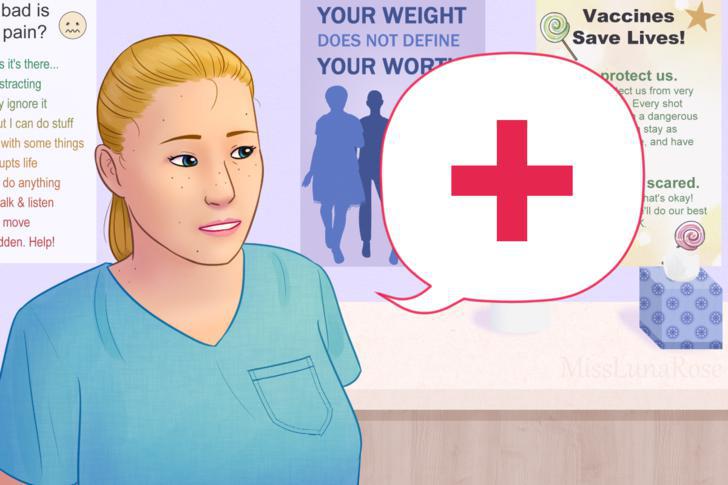
Talk to a doctor or specialist about pursuing a diagnosis.
Talk to the doctor if you think a misdiagnosis is possible, or they say somethin
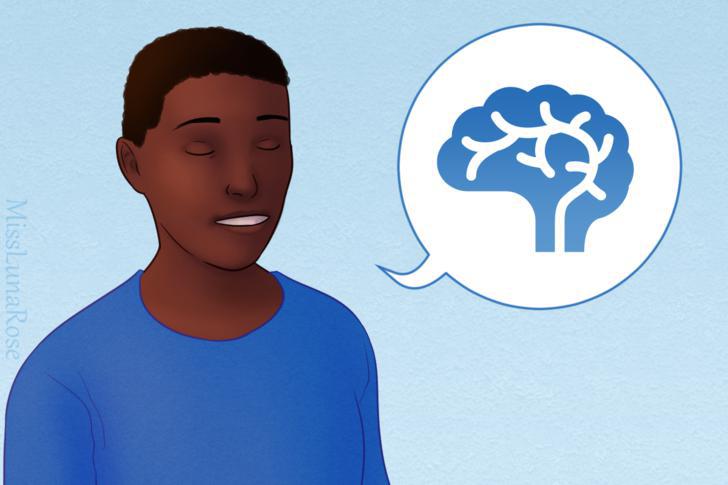
Talk to the doctor if you think a misdiagnosis is possible, or they say something you don't understand.
Comments (0)
No comments yet. Be the first to share your thoughts!